Tuesday
18 August, 2026
News Flash
News Flash
DHAKA, Aug 17, 2026 (BSS) - The Cabinet has approved the draft National Strategy and Multi-Year Action Plan for a Lead-Free Bangladesh (2026-2035), aiming to reduce lead exposure, protect vulnerable groups and control and eventually eliminate lead pollution in the country.
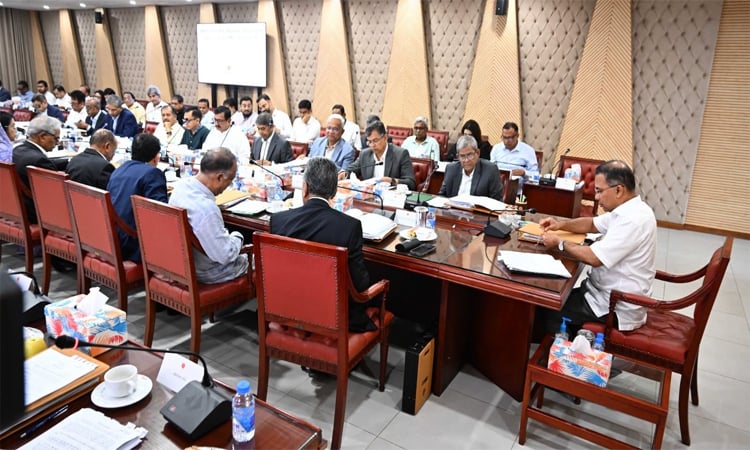
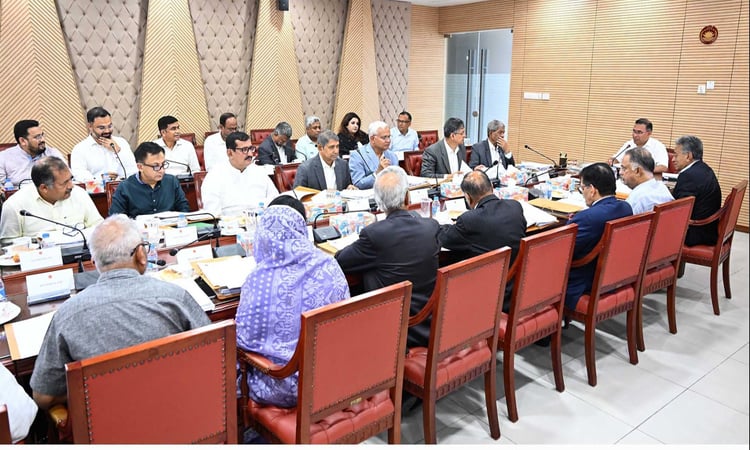
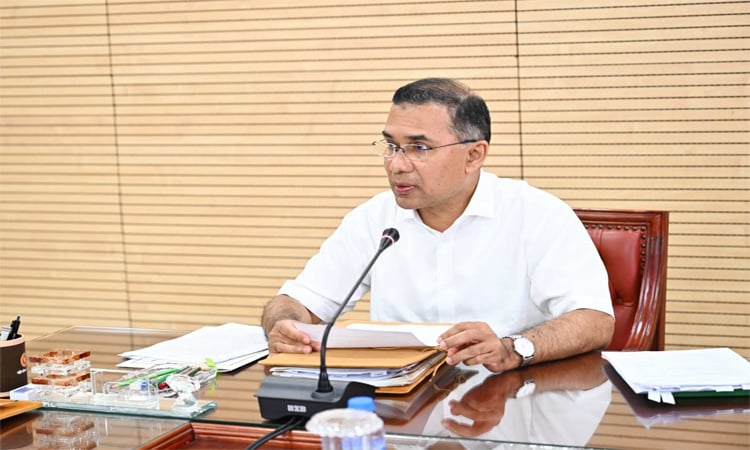
The Ministry of Environment, Forests and Climate Change today placed the draft strategy and action plan in the Cabinet meeting at the Cabinet Division conference room in the Bangladesh Secretariat here with Prime Minister Tarique Rahman in the chair.
Lead is a highly potent neurotoxin with no known safe level of exposure. Lead poisoning can cause damage to the nervous system and brain, as well as memory loss, reduced intellectual ability, behavioural problems, anaemia, kidney disease, heart disease, high blood pressure, reproductive and pregnancy-related complications, and problems affecting bones, teeth and the digestive system.
According to the 2025 Multiple Indicator Cluster Survey (MICS), conducted under the Bangladesh Bureau of Statistics (BBS), 38.34 percent of children aged 12 to 59 months and around 7.54 percent of pregnant women have concerning levels of lead in their blood.
A review of lead poisoning data from different districts found that 65.2 percent of children in Dhaka district are affected by lead poisoning, according to the draft.
A recent study by icddr,b also found concerningly high blood lead levels in 98 percent of 500 children aged two to four in Dhaka.
Against this backdrop, the draft National Strategy and Multi-Year Action Plan for a Lead-Free Bangladesh (2026-2035) has been formulated to take coordinated action plans and activities to detect the presence of lead, control and eliminate lead poisoning for the protection of public health and the welfare and well-being of children, with the aim of ensuring sustainable and green growth.
The strategy paper sets responsibilities for relevant ministries, divisions, agencies and stakeholders and includes short-, medium- and long-term programmes under several areas, including institutional capacity building; surveillance and identification; policy and regulation; monitoring and enforcement; private-sector engagement; awareness, behaviour change and education; research and innovation; and multisectoral engagement, coordination and collaboration.
It sets a target of reducing blood lead levels in children by 50 percent of baseline levels by 2030 and by 95 percent of baseline levels by 2035. The baseline, according to the 2025 MICS, is 38.34 percent.