Monday
24 August, 2026
News Flash
News Flash
SM Ashikuzzaman
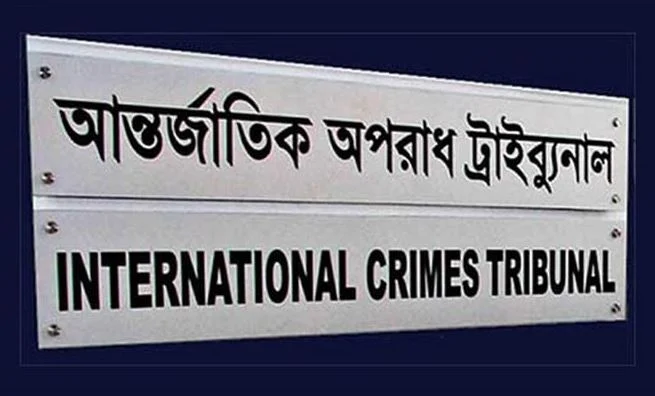
DHAKA, Aug 4, 2026 (BSS) - As Bangladesh prepares to observe the July Mass Uprising Day on August 5, the nation finds solace in the landmark verdicts delivered by the International Crimes Tribunal (ICT) regarding crimes against humanity committed in 2024.
To date, the tribunal has concluded six major cases, resulting in 16 death sentences and 11 life sentences, alongside various other jail terms for those involved in the crackdown on students and the public.
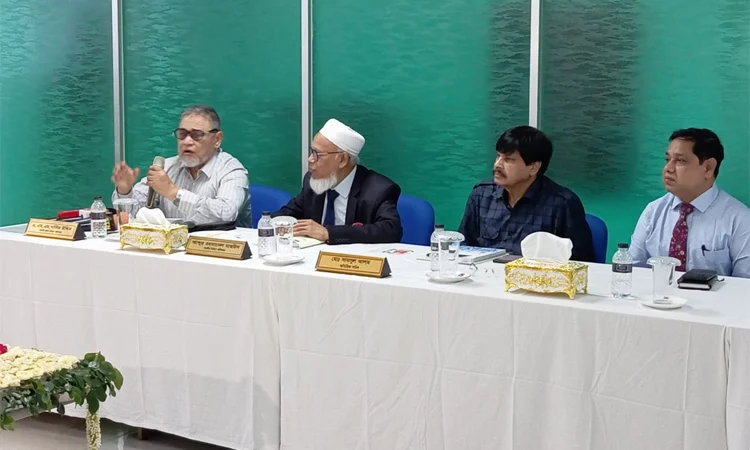
ICT Chief Prosecutor Md Aminul Islam told BSS that the reconstituted tribunal has largely fulfilled its commitment to the martyrs and the injured by delivering these exemplary judgments in a remarkably short timeframe compared to other courts.
"The two tribunals are still trying many cases, and those proceedings have reached crucial stages. We hope that the tribunals will ensure justice in all cases involving crimes against humanity committed during the July-August events of 2024," he added.
The first landmark verdict: The judicial process reached a historic milestone on November 27, 2025, when ICT-1 sentenced ousted prime minister Sheikh Hasina and former home minister Asaduzzaman Khan Kamal to death.
The tribunal also ordered the confiscation of their assets to provide compensation to the families of the martyrs and the injured. In the same case, former IGP Chowdhury Abdullah Al-Mamun, who turned state witness, was sentenced to five years in prison.
The Chankharpul atrocities: On January 26, 2026, the ICT-1 addressed the massacre at Chankharpul, where six people were killed. Former DMP commissioner Habibur Rahman, former joint commissioner Sudip Kumar Chakraborty, and former ADC Shah Alam Md Akhtarul Islam were sentenced to death.
Besides, the first tribunal sentenced fugitive accused and former Assistant Commissioner (AC) Mohammad Imrul to six years' imprisonment, former Shahbagh Police Station Officer-in-Charge (Operations) Md Arshed Hossain to four years' imprisonment, and constables Md Sujon Mia, Md Imaz Hossain Imon and Md Nasirul Islam to three years' imprisonment each.
Ashulia body-burning case: the ICT-2 on February 5, 2026, sentenced six individuals to death, including former MP Muhammad Saiful Islam, former OC AFM Sayed Roni, and several police officers. Seven others, including former DIG Syed Nurul Islam and former SP Md Asaduzzaman Ripon, received life imprisonment.
Besides, the two accused who were sentenced to seven years' imprisonment are former Sub-Inspector (SI) Arafat Uddin and Kamrul Hasan. In the same case, the International Crimes Tribunal-2 pardoned Sheikh Abzalul Haque after he turned approver.
The iconic Abu Sayed case: On April 9, 2026, justice was served for the iconic martyr Abu Sayed. The tribunal sentenced former ASI Md Amir Hossain and former Constable Sujan Chandra Roy to death.
Three other police officials received life sentences, while university officials, including the former VC of Begum Rokeya University, Dr Hasibur Rashid, were handed prison terms ranging from three to ten years for their roles in the tragedy.
Rampura shooting: The tribunal also ruled on the case involving the killing of two people and firing at a student who was hanging from a cornice of a building in the Rampura area during the July Mass Uprising.
On June 28, 2026, three individuals-including former Dhaka Metropolitan Police Commissioner Habibur Rahman and former OC Md Mashiur Rahman-were sentenced to death.
The court also sentenced former Sub-Inspector (SI) Tariqul Islam Bhuiyan to life imprisonment and former Assistant Sub-Inspector (ASI) Chanchal Chandra Sarkar to 20 years' rigorous imprisonment. Of the five, only Chanchal has been arrested and faced the trial in person.
Furthermore, on June 30, 2026, Jasad President and former Minister Hasanul Haq Inu was sentenced to 10 years in prison for command responsibility and his involvement in the killings that took place in Kushtia during the July Mass Uprising.
As the nation remembers the sacrifices of 2024, the legal proceedings continue in two tribunals to ensure that every crime against humanity committed during the uprising is accounted for.