Monday
24 August, 2026
News Flash
News Flash
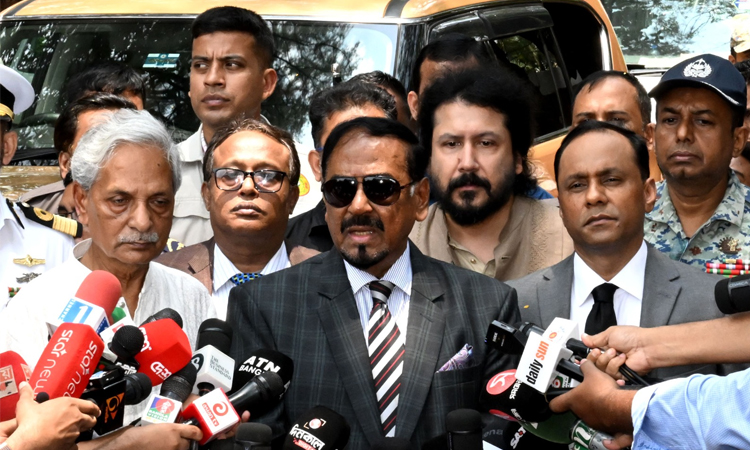
DHAKA, May 12, 2026 (BSS) – Speaker of the Jatiya Sangsad Hafiz Uddin Ahmad, Bir Bikram, today said the July Museum will inspire future generations as it depicts struggle against autocracy.
“The history of the people’s resistance against autocracy will remain preserved as long as this museum exists,” he said while briefing reporters after visiting the July Mass Uprising Memorial Museum in the capital.
The Speaker said the museum has skillfully portrayed the accounts of repression, anarchy and killings during the 16-year rule of what he termed the “autocratic mafia regime” of former prime minister Sheikh Hasina through “staged and controversial elections”.
He said the sacrifices of Abu Sayeed, Mugdha, Wasim and others during the July-August uprising would continue to inspire the nation. Referring to incidents of enforced disappearances during the previous regime, he said words of sympathy shown to victims’ families by Sheikh Hasina had become “a stain in history”.
The Speaker noted that the sacrifices made by ordinary people in every democratic and anti-autocracy movement from 1971 to 2024 were unparallel in establishing democracy in the country, said a press release.
“The sacrifices of the masses during the July Mass Uprising will remain an example for the world,” he said adding that the July fighters sacrificed their present for the future of the nation.
Deputy Speaker Barrister Kayser Kamal said the July Mass Uprising Museum symbolises Bangladesh’s liberation from fascism.
“The spirited youths of Bengal sacrificed themselves to restore democracy in the country. This museum will stand as a unique tribute to their memories,” he said.
During the visit, the Speaker, Deputy Speaker and Cultural Affairs Minister Nitai Roy Chowdhury toured the “Long Walk to Democracy” road featuring photographs of significant historical events from 1971 to 1991.
They also viewed murals and graffiti, including poems by Anas, who was killed during the July uprising, as well as documents and summaries related to the quota reform movement, anti-discrimination movement and killings that took place between July 1 and July 36, 2024.
The delegation also visited memorials on the 2009 Pilkhana massacre, the Shapla Chattar killings, the safe roads movement, and a remembrance corner dedicated to Abrar Fahad, who was killed amid alleged violence by Bangladesh Chhatra League (BCL) activists during the previous regime.
They also observed the “Aynaghar” miniature installation, the “Memories of Disappearance” exhibit, and silent tributes featuring portraits of the July martyrs fluttering in the air.
The visitors became emotional after seeing a miniature model of the parliament building handmade by martyr Zahiduzzaman Tanvin, the bloodstained shirt of Saudi expatriate martyr Abu Ishaq, and belongings and bloodstained clothes used by those killed during the July Mass Uprising.
Later, the Speaker and Deputy Speaker joined a press briefing at the museum’s main gate.
At the briefing, Cultural Affairs Minister Nitai Roy Chowdhury said the July Museum would be opened to the public by the end of July or early August this year.
Director General of the July Museum, members of the curator team, and senior officials from the relevant ministries and the Jatiya Sangsad Secretariat were present during the visit.