Tuesday
25 August, 2026
News Flash
News Flash
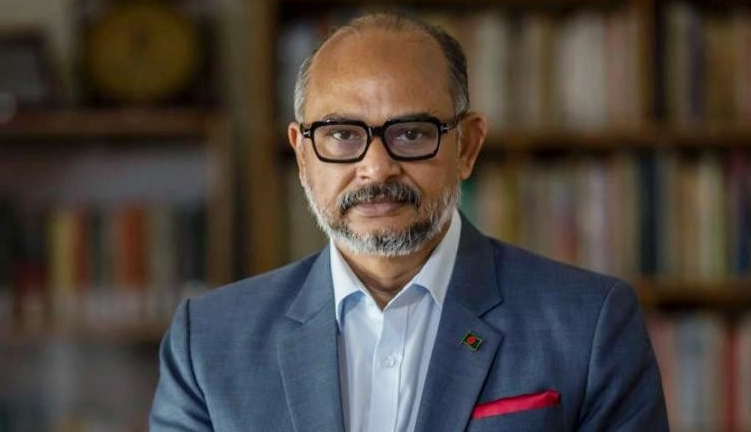
DHAKA, April 18, 2026 (BSS) - Prime Minister’s Adviser on the ministries of Finance and Planning Dr. Rashed Al Mahmud Titumir today said Bangladesh must advance toward its desired development trajectory by ensuring democratization of the economy, increasing investment, and securing energy stability.
He stressed that uninterrupted energy and power supply is essential to boost investment. In this regard, he underscored the need for building strategic reserves, maintaining policy continuity, and ensuring fiscal support, regulatory oversight, and incentives where necessary.
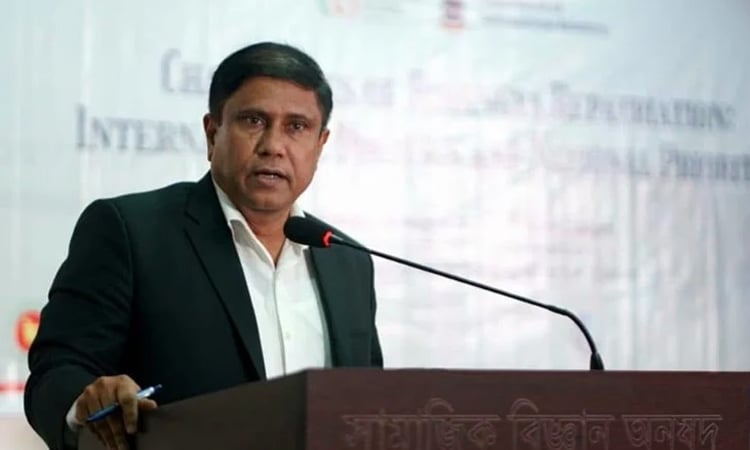
The Adviser made these remarks while speaking as the chief guest at a seminar titled “Economic Stability, Financial Capacity and the Government’s 180-Day Action Plan”, organized by the Economic Reporters Forum (ERF) at its auditorium in Dhaka.
Distinguished Fellow of the Centre for Policy Dialogue (CPD) Professor Dr. Mustafizur Rahman attended the seminar as the guest of honour.
Chaired by ERF President Doulat Akter Mala, the seminar was also addressed by Bangladesh Knitwear Manufacturers and Exporters Association (BKMEA) President Mohammad Hatem and Bangladesh Garment Manufacturers and Exporters Association (BGMEA) President Mahmud Hasan Khan as special guests.
Dr. Titumir said the BNP’s election manifesto has set three major goals: building a trillion-dollar economy by 2034, establishing a new economic model based on investment, production and employment, and raising public expenditure in social sectors such as education and health to 5 percent of GDP. The manifesto also emphasizes ensuring “an economy for all” through its democratization.
He noted that Bangladesh has overcome numerous crises in the past and continued to make progress. “Despite challenges such as post-war devastation, famine, and global oil price shock; the country has charted its own path based on local realities,”
These experiences, he said, can provide valuable guidance for future reforms and policymaking.
Highlighting human creativity and resilience as key drivers of economic development, he pointed to their impact in agriculture, livestock, and small enterprises. Dr Titumir also stressed the importance of encouraging private sector participation and building incentive structures to expand the use of renewable energy.
“The country can’t rely solely on government incentives for sustainable progress; the private sector must also play a significant role,” he said.
The adviser further noted that attracting foreign investment is not possible without strengthening domestic investment capacity. He emphasized utilizing region-specific potentials and enhancing the capabilities of regulatory bodies to support export diversification, particularly in pharmaceuticals, leather, and light engineering sectors.
He also stressed that sustainable reforms require not only legal frameworks but also social harmony, inclusive development, and media freedom. “Participatory development, rather than division, will strengthen the economy in the long run,” he added.
Dr. Titumir expressed optimism that visible economic progress could be achieved within the next few years if realistic and evidence-based policies are adopted.