Tuesday
11 August, 2026
News Flash
News Flash
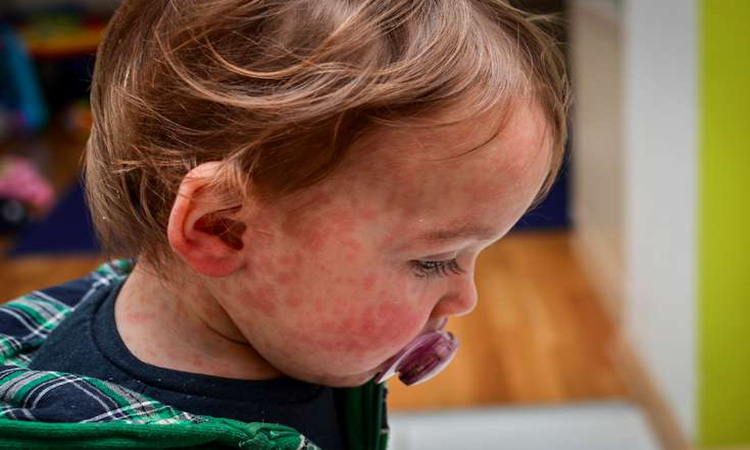
DHAKA, April 17, 2026 (BSS)- In the quiet corners of neighborhoods across the city, a quiet crisis is unfolding inside homes where young children lie feverish and weak. The measles outbreak that has been steadily building across the country is now touching more families, and alongside it, chickenpox is spreading through schools and communities.
For parents watching their children struggle with high fevers, rashes, and loss of appetite, the worry is immense. But beyond the visible symptoms lies a hidden danger: these viral illnesses temporarily cripple a child's immune system, leaving them vulnerable to secondary infections.
"The viruses themselves are dangerous, but what many parents don't realise is how these illnesses temporarily disable the child's defense system," explained Dr. Saidur Rahman, a renowned child specialist.
He said: "When a child has measles or chickenpox, their body becomes a battleground. The immune system is busy fighting one enemy, leaving the door open for other germs to slip in."
A Two-Front War
Both measles and chickenpox are highly contagious viral diseases that affect children of all ages. While most children recover within one to two weeks, proper nutrition during this period can mean the difference between a swift recovery and serious complications.
"During fever and infection, a child's body loses fluids rapidly," Dr Rahman noted. "Dehydration is one of the biggest risks. Parents must ensure their children drink plenty of liquids - coconut water, homemade fruit juices, vegetable soups. These not only rehydrate but also provide essential nutrients."
Fiber-rich foods help the body retain water, he added. For breastfed infants, the recommendation is simple: nurse more frequently.
The Power of Vitamins
Among the nutrients that play a crucial role in recovery, vitamins C and A stand out as particularly powerful allies.
"Vitamin C is remarkably effective in reducing the severity and duration of viral illnesses," Dr Rahman said. "It helps boost immunity and restores the taste buds, which often go dull during illness. I advise parents to give their children oranges, grapes, guavas, berries, or fresh fruit juices."
But it is Vitamin A that the doctor calls "the most essential nutrient" for children fighting these infections.
"Measles can cause serious complications in the eyes - dryness, cloudiness, and in severe cases, corneal damage that can lead to night blindness," he warned. "To prevent this, children need Vitamin A-rich foods: carrots, sweet pumpkin, ripe papaya, red cabbage, sweet potatoes, egg yolks, and liver. Supplements may also be necessary - parents should consult their doctors."
Feeding the Weak Body
When measles strikes, the digestive system often slows down. Some children develop diarrhea. The key, Dr Rahman explained, is serving foods that are easy to digest while still being nutritious.
"Soft, thin vegetables, khichuri, semolina, barley, thin lentil soup - these are ideal," he said. "Sour yogurt aids digestion. Zinc is another crucial element as it regulates the immune system. While plant-based zinc is harder to absorb, animal sources like chicken, beef, fish, eggs, cheese, and dairy products are excellent options."
Even after the fever subsides, the battle isn't over.
"After recovering from measles or chickenpox, the body remains weak for at least two weeks," Dr Rahman cautioned. "Potassium levels drop after fever, so potassium-rich foods like bananas, coconut water, dates, avocados, pomegranates, sweet potatoes, and spinach should be part of the recovery diet."
Combating Appetite Loss
Perhaps the greatest challenge for parents is getting a sick child to eat at all. When a child refuses food, muscle wasting and weight loss can follow.
"This is why I recommend increasing protein intake by up to 50 percent during recovery," the doctor advised. "Animal protein is more easily absorbed than plant protein. Along with fish, meat, eggs, and milk, include pulses and legumes. For younger children, one to three egg whites daily, adjusted for age and weight, can make a significant difference."
A Call to Vigilance
As the outbreak continues, health officials urge parents not to delay seeking medical attention. With proper care, nutrition, and vigilance, children can weather these viral storms and emerge healthier.
The message from doctors is clear: feed the fight within.