Wednesday
10 June, 2026
News Flash
News Flash
WASHINGTON, April 10, 2026 (BSS/AFP) – The United States will host talks between Israel and Lebanon next week, a State Department official said Thursday, amid growing concerns that Israel’s military campaign could undermine a fragile ceasefire with Iran.
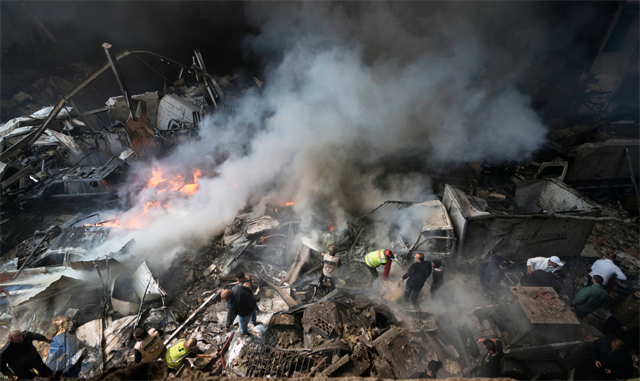
Israel’s heaviest strikes on Lebanon since Hezbollah entered the regional conflict in early March killed hundreds, raising alarm less than 48 hours after a US-Iran truce came into effect.
“We can confirm that the Department will host a meeting next week to discuss ongoing ceasefire negotiations with Israel and Lebanon,” the US official said.
Israeli Prime Minister Benjamin Netanyahu has instructed ministers to pursue direct talks with Lebanon, focusing on disarming the Iran-backed Hezbollah group.
However, a Lebanese government official indicated that Beirut would require a ceasefire before engaging in negotiations. Neither Israel nor Lebanon has publicly confirmed participation in the proposed Washington talks.
Israel’s latest strikes drew strong criticism from officials in Iran and Pakistan ahead of separate discussions expected in Islamabad, where a key issue will be reopening the strategic Strait of Hormuz.
Hezbollah said it was engaged in close combat with Israeli forces in southern Lebanon, while Lebanese authorities reported that Israeli strikes killed at least 303 people and wounded more than 1,100.
Israel’s military chief Eyal Zamir visited troops inside Lebanon, stating that Hezbollah had suffered a “heavy blow,” while the military issued new evacuation orders for parts of Beirut and continued strikes on militant positions.
Israel’s refusal to halt operations has cast doubt over mediation efforts linked to the US-Iran ceasefire. Iranian officials warned the planned talks in Pakistan could become “meaningless,” insisting Lebanon must be included in any truce framework.
US Vice President JD Vance is expected to lead the American delegation in upcoming talks, alongside envoy Steve Witkoff and senior adviser Jared Kushner.
Tensions escalated further after Pakistan’s Defence Minister Khawaja Asif sharply criticized Israel’s actions, prompting a strong rebuke from Netanyahu’s office. Pakistan does not formally recognize Israel, complicating its potential mediatory role.
European leaders also voiced concern, with German Chancellor Friedrich Merz warning that continued violence could derail the broader peace process. British Prime Minister Keir Starmer said Israel was wrong to exclude Lebanon from ceasefire considerations.
Netanyahu maintained that Lebanon is not covered by the ceasefire, warning that Israel would continue to strike Hezbollah targets as necessary.
Meanwhile, Donald Trump accused Iran of failing to uphold commitments regarding the Strait of Hormuz, a vital route for global oil shipments, and warned Tehran against restricting maritime traffic.
The ongoing tensions threaten to destabilize a region already strained by conflict, with the Strait of Hormuz remaining a critical chokepoint for global energy supplies.