Tuesday
25 August, 2026
News Flash
News Flash

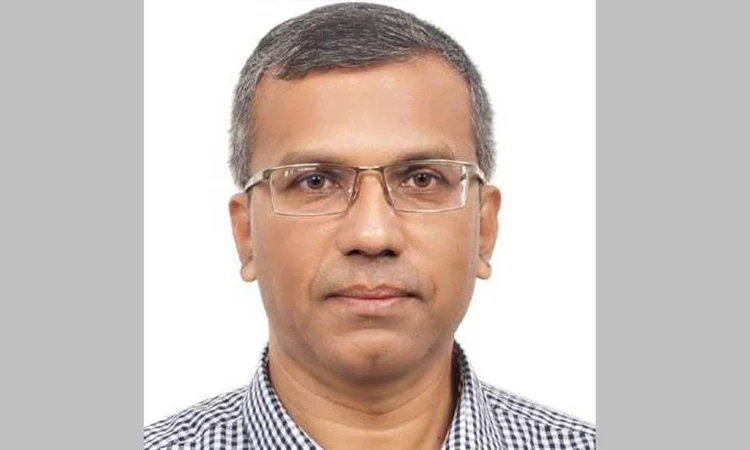
JAHANGIRNAGAR UNIVERSITY, Apr 8, 2026 (BSS) - A technology-driven digital rationing system using QR code and OTP verification can ensure fair distribution of limited fuel and reduce misuse during the ongoing energy crisis, said Computer Science and Engineering Professor Abu Sayed Md Mostafizur Rahaman of Jahangirnagar University (JU).
Amid the ongoing global fuel supply disruption, ensuring equitable distribution has become more critical than merely increasing supply, Prof Mostafiz told BSS today.
He noted that long queues at fuel stations often conceal deeper issues such as hoarding and unequal access, which further intensify the crisis.
Referring to international experiences, he said countries like Sri Lanka have introduced QR-based "National Fuel Pass" systems, allowing vehicles to receive fuel based on a fixed weekly quota, which has significantly reduced black market activities and multiple collections.
Other countries including Indonesia, the Philippines and Vietnam have adopted measures such as limited sales, scheduled distribution days and odd-even systems based on vehicle numbers to manage demand.
He said Bangladesh can adopt a similar integrated digital rationing system by assigning a unique digital identity to each vehicle or user through QR codes, with weekly or monthly fuel quotas based on usage category.
However, he cautioned that QR-based systems alone may not be sufficient, as codes can be copied or shared. To address this, he proposed adding OTP-based verification, where a one-time password is sent to the registered mobile number during each transaction to ensure authenticity and prevent unauthorized use.
Explaining the process, he said when a vehicle arrives at a fuel station, its QR code would be scanned to check the remaining quota. After entering the fuel amount, an OTP would be sent to the registered user or authorized driver, and fuel would be dispensed only after successful verification.
The system would simultaneously update user quotas and station stock in a central server.
He also emphasized the importance of incorporating driver-based OTP verification in Bangladesh's context, as drivers often collect fuel on behalf of vehicle owners.
The JU professor said such a system could help reduce long queues, prevent repeated fuel collection by the same user, and enable real-time monitoring of fuel stock and transactions through a centralized dashboard, thereby controlling irregularities and black marketing.
However, he acknowledged challenges including risks of OTP sharing, limited digital literacy, and the need for strong technological infrastructure and data security.
"During a fuel crisis, the key issue is not just availability but ensuring fair usage. Global experiences show that the greater the crisis, the more essential technology-driven management becomes," he added.