Monday
24 August, 2026
News Flash
News Flash
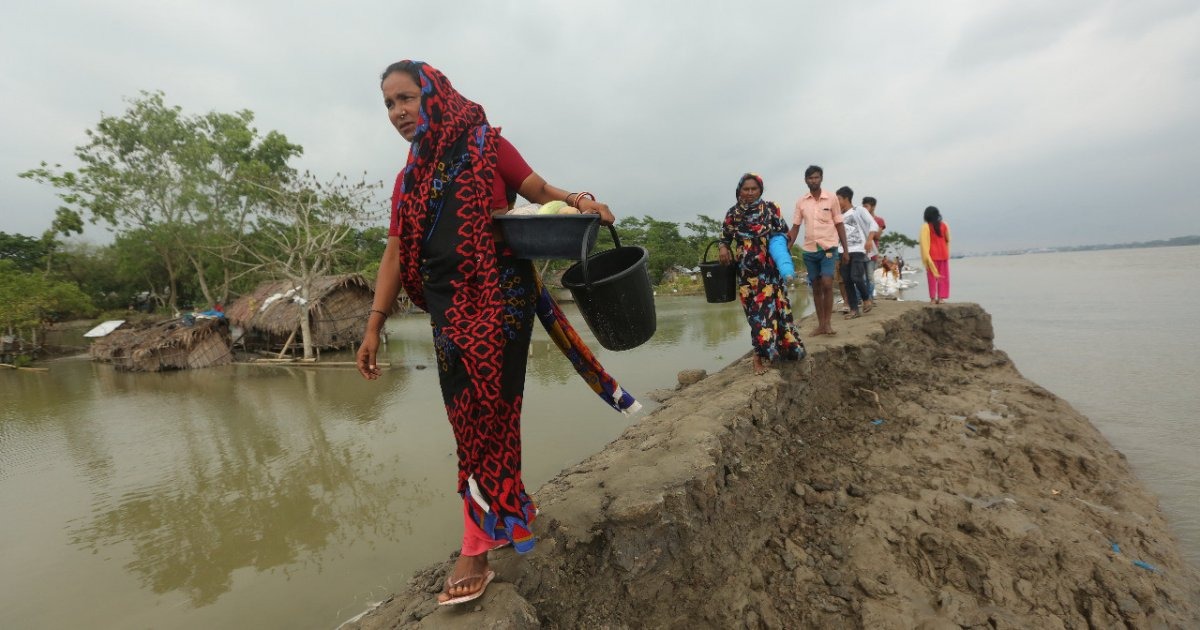
DHAKA, April 6, 2026 (BSS) - In a major step toward addressing the multifaceted crises faced by women in Bangladesh's coastal belt due to climate change and rising salinity, a set of integrated livelihood plans and guidelines has been finalized.
These strategic tools were presented today at a validation workshop titled "Resilient Futures: Gender-Responsive Livelihood Materials and Climate Pathways," held at a hotel in the city.
The Department of Women Affairs (DWA) under the Ministry of Women and Children Affairs, in collaboration with the Department of Public Health Engineering (DPHE), is currently implementing a specialized project across five upazilas in Khulna and Satkhira.
Titled "Gender-responsive Coastal Adaptation (GCA)," the project aims to enhance the adaptive capacities of coastal communities, particularly women, to cope with climate change-induced salinity.
The workshop was organized by the Institute of Professional Training and Management (IPTM), with technical support from the United Nations Development Programme (UNDP) and funding from the Green Climate Fund (GCF) and the Government of Bangladesh.
During the session, organizers revealed that a specialized Training of Trainers (ToT) curriculum for empowering coastal women, a context-specific gender-responsive livelihood toolkit, and a comprehensive report forecasting climate impacts up to 2050 have been finalized. Field-level stakeholders shared their feedback and insights on these materials during the validation process.
Speaking as the chief guest, Zinat Ara, Director General (Additional Secretary) of the Department of Women Affairs, emphasized the government's commitment to the cause.
"Enhancing the adaptation capacity of coastal communities is our priority. The materials and roadmaps approved today will play a crucial role in helping coastal women survive adverse environments and fostering their empowerment," she said.
Sardar Mohiuddin Ahmed, Head of Resilience and Inclusive Growth Cluster at UNDP, noted that this project serves as a prime example of Bangladesh's pioneering role in global climate adaptation efforts.
The event was presided over by Abdul Hye Al Mahmood, Additional Secretary at the DWA and National Project Director (NPD). He highlighted that these approved tools would be instrumental in expanding climate-resilient livelihoods.
Representatives from various government departments, development partners, and local stakeholders attended the workshop. Speakers expressed optimism that this initiative would ensure sustainable livelihoods and economic stability for women living in the salt-prone coastal regions of the country.
The workshop was organized by the Institute of Professional Training and Management (IPTM) under the project "Enhancing Adaptive Capacity of Coastal Communities, Particularly Women, to Address Climate Change-Induced Salinity." The project is implemented by the Department of Women Affairs (DWA) and the Department of Public Health Engineering (DPHE) under the Ministry of Women and Children Affairs (MoWCA), with technical support from the United Nations Development Programme (UNDP) and funding from the Green Climate Fund (GCF).
The workshop reviewed and validated key knowledge products, including a Training of Trainers (ToT) curriculum, a scenario-based gender-responsive climate adaptive livelihood planning toolkit, a technical brief, and a climate impact report with projections up to 2050.
Participants provided valuable feedback to enhance their relevance and practical application in coastal contexts.
The event was graced by Zinat Ara, Director General (Additional Secretary) of the Department of Women Affairs, MoWCA, as Chief Guest. Sarder M. Asaduzzaman, Assistant Resident Representative and Head of the Resilience and Inclusive Growth Cluster at UNDP, attended as Special Guest. The session was chaired by Abdul Hye Al Mahmud, Additional Secretary, DWA, MoWCA, and National Project Director (NPD) of the project.