Wednesday
15 July, 2026
News Flash
News Flash
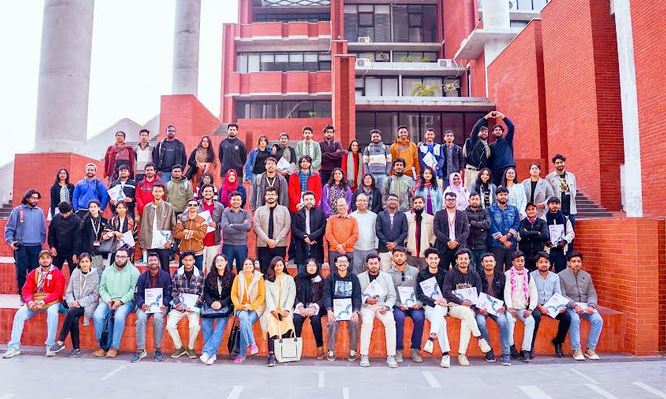
RAJSHAHI, Jan 24, 2026 (BSS)- A five-day "Digital Citizenship and Misinformation Resilience Training" was concluded at Varendra University here today.
Organised by the Department of Journalism, Communication and Media Studies (JCMS), the training was attended by 70 students. To help curb the spread of misinformation, the participants will implement five Community Action Projects (CAPs).
The training was organised in two phases with the support of the British Council's Youth Connect project and the University of Liberal Arts Bangladesh (ULAB).
The first phase was conducted from January 13 to 15, followed by online sessions on January 19. On January 22, students presented plans for their Community Action Projects.
Students received hands-on training on digital citizenship, online behavior, fact-checking techniques, identifying fake news, and responsible engagement on social media.
Student Meherun Nessa said, "I learned how to distinguish between facts and opinions. I also learned how to verify the authenticity of information through this training."
Another student, Aishwarya Mondal, said, "I didn't realize that there are certain ethics and values that should be followed while using social media. I learned that from this training."
JCMS faculty member and trainer Muhammad Rakib Hossain said, "Participants have been trained in such a way that they will be able to raise awareness among their families and friends as well, which will help create a healthy digital environment."
Another JCMS faculty member and trainer, Sazzad Hossain, said, "Almost all of us use social media. Through this training, students had the opportunity to learn how to behave responsibly on these platforms. We hope this will initiate positive change through them."
JCMS Coordinator Shatil Siraj said, "As journalism students-and also as ordinary citizens-it is essential not to accept any information at face value, but to verify it. Especially understanding which news is true and which information may spread misinformation is extremely important."
The training also featured FactWatch fact-checker Ridwan Islam. He said, "Just as citizens have certain responsibilities, digital citizens should also behave responsibly in the digital world. This training focuses on how much information should be trusted and what information should be shared."
ULAB Senior Lecturer Mohammad Aminul Islam said, "Without digital literacy, today's generation and future generations will not be able to make the right decisions on various issues related to life, society, and the state. Awareness in this area is also crucial to promote tolerance online."
Under the Digital Citizenship and Misinformation Resilience Training project, more than 600 students from 10 universities across the country have been trained in phases. Through them, an 'Information Hub' will be formed to prevent the spread of rumors, with participants working to counter misinformation.