Saturday
22 August, 2026
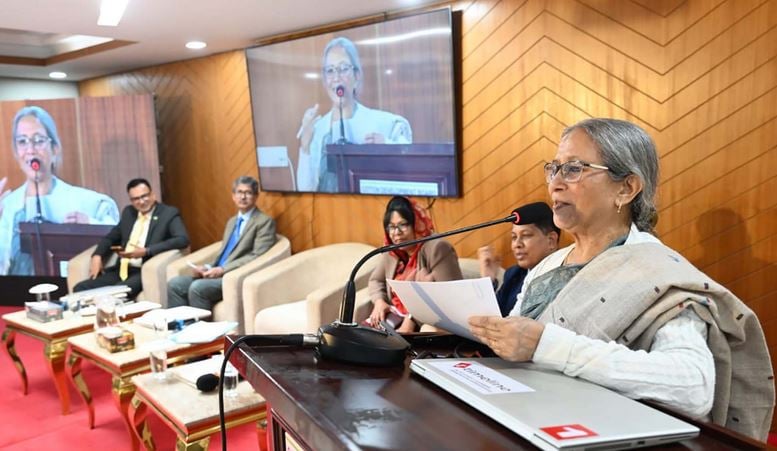
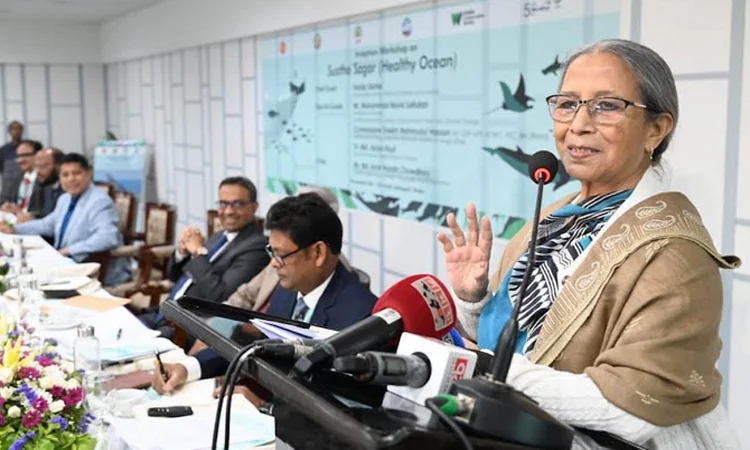
DHAKA, Dec 29, 2025 (BSS) — Fisheries and Livestock Adviser Farida Akhter has emphasized that the active participation of high-level national leadership, including the head of the government and members of the Advisory Council, is essential at the United Nations global climate conference COP to effectively highlight Bangladesh’s position and importance on the global stage.
She made the remarks while speaking as the chief guest at a de-briefing workshop following participation in the UN Climate Conference 2025 (Conference of the Parties -COP 30), said a ministry press release.
The workshop was organized by the Ministry of Fisheries and Livestock at the Cotton Development Board this morning.
Farida Akhter said that Bangladesh receives significantly more attention and importance in international forums when represented by top leadership, which is not possible with lower-level representation.
She stressed that such participation is vital to present the country’s climate challenges, priorities, and achievements effectively.
Highlighting Bangladesh’s rich biodiversity, the adviser said that despite facing multiple challenges, the country has the capacity to address them through collective initiatives.
She noted that coordinated efforts can substantially reduce potential climate change-related damage, which should be the country’s key focus.
Akhter also emphasized the importance of preserving and developing indigenous livestock breeds, stating that while farmers often prefer foreign breeds to increase production, local breeds are more resilient and better adapted to climate change.
Indigenous breeds, she added, require comparatively less intensive care and management. “Increasing production alone should not be the basis for importing foreign breeds,” she said, calling for greater emphasis on conserving local genetic resources.
The adviser further underscored the need to develop a skilled expert group in Bangladesh, mentioning that many young professionals are already actively engaged in climate-related work.
She cautioned about the impacts of genetically modified organisms (GMOs) on fisheries and livestock and urged equal importance to be given to traditional knowledge and practical experience alongside technology.
The workshop was chaired by Secretary of the Ministry of Fisheries and Livestock Abu Tahir Muhammad Zaber while Secretary of the Ministry of Environment, Forest and Climate Change Dr. Farhina Ahmed attended as a special guest.