Monday
24 August, 2026
News Flash
News Flash
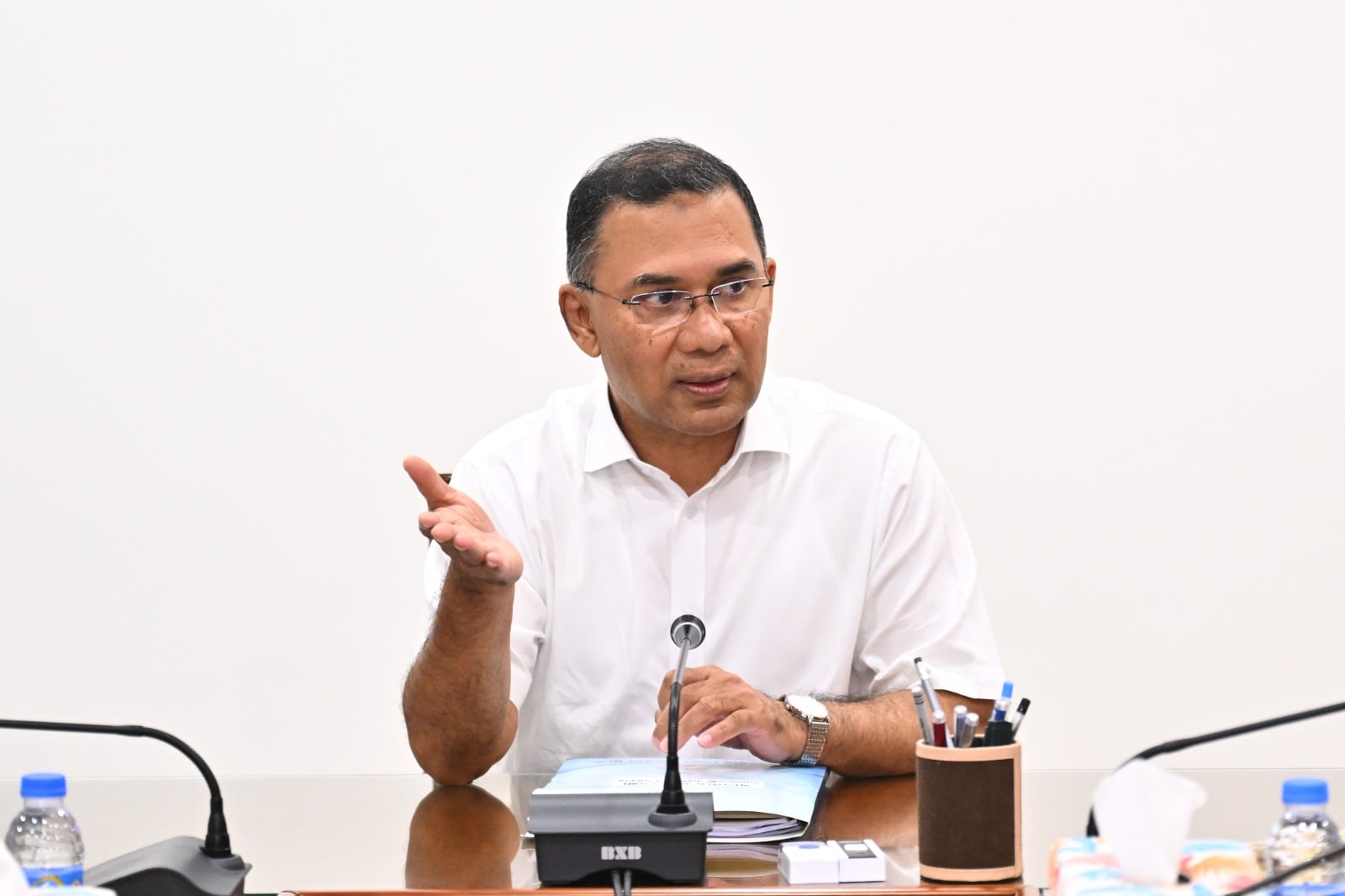
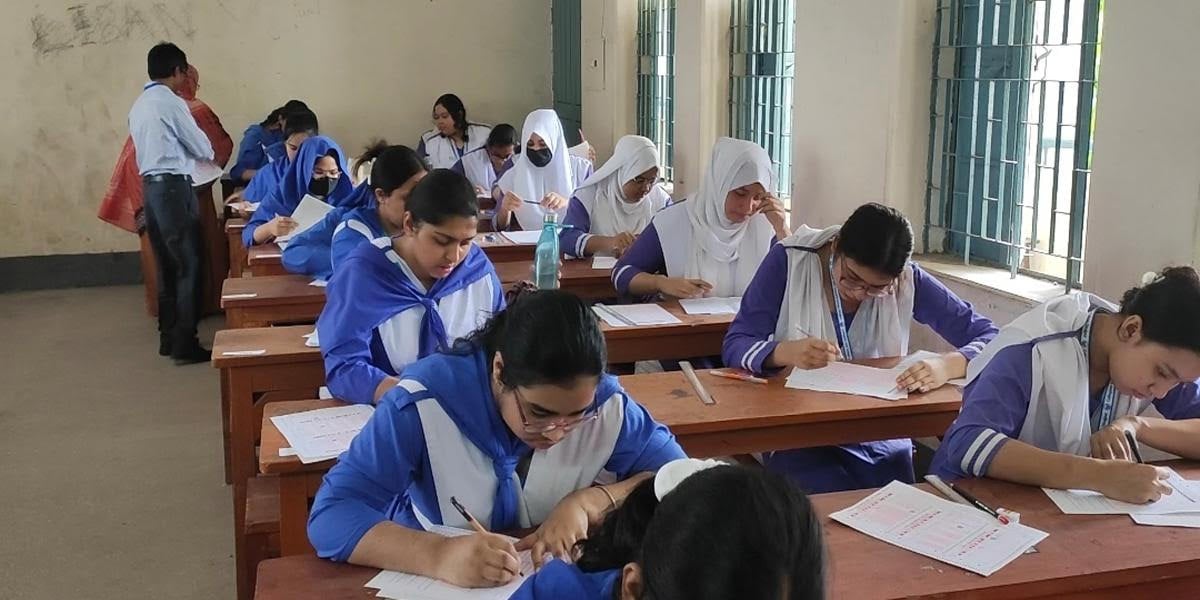
DHAKA, Aug 24, 2026 (BSS)- Prime Minister Tarique Rahman today asked the authorities concerned to assess the feasibility of reintroducing universal stipends for female students from Class VI to the undergraduate level.
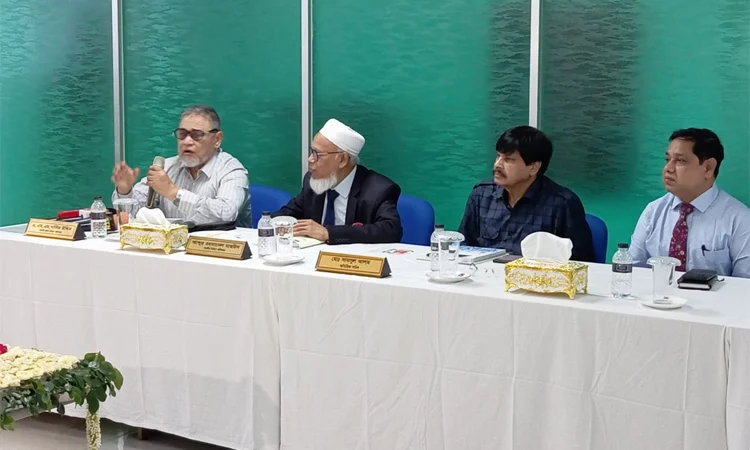
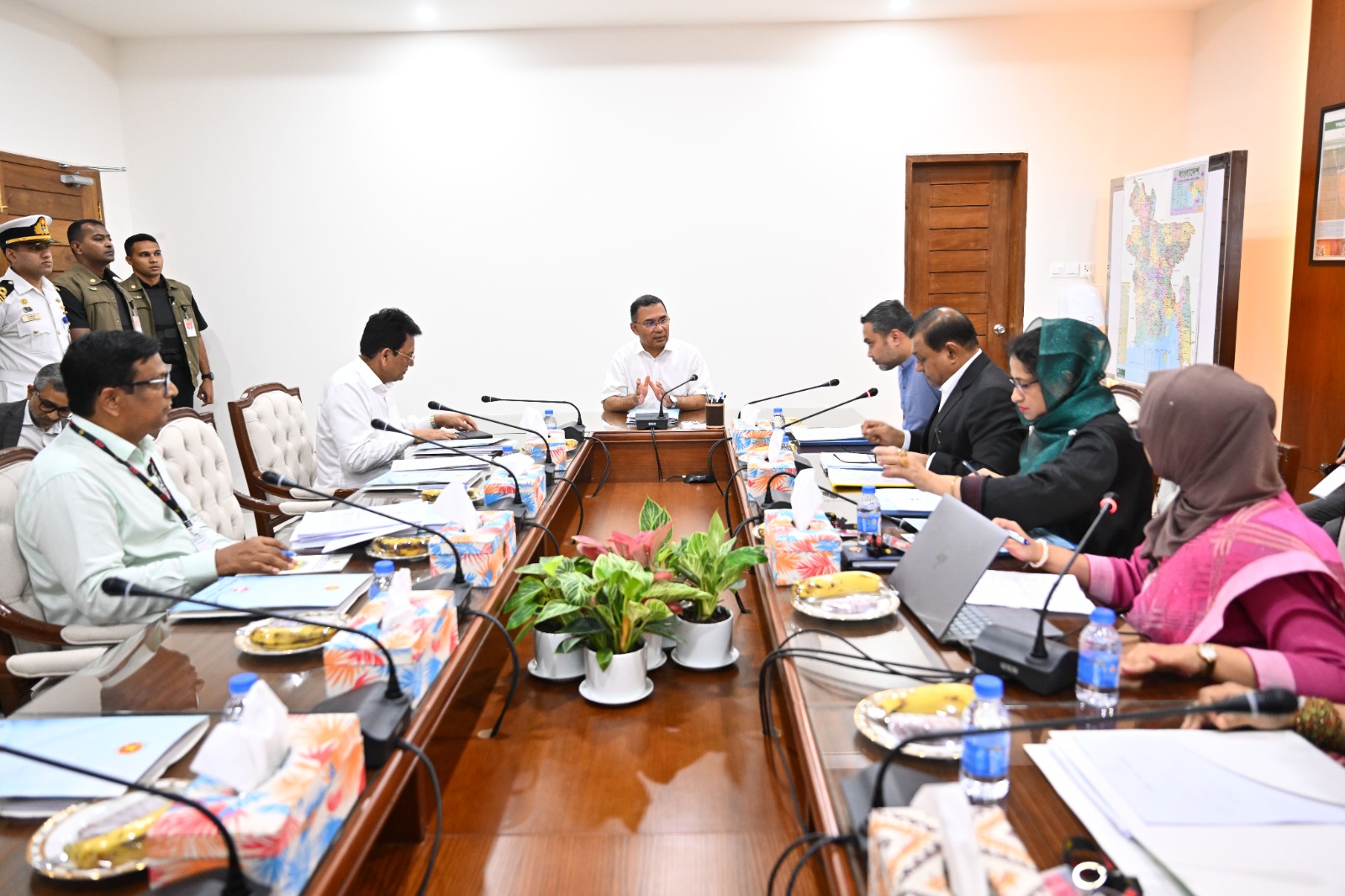
He gave the directive at a meeting of the Prime Minister’s Education Assistance Trust at the Cabinet Division at the Secretariat this afternoon, said PM’s Deputy Press Secretary Shahadat Shadhin.
The meeting stressed preparing a clear proposal analysing the possible cost, number of beneficiaries, implementation mechanism, and expected social and educational impacts of reinstating the universal stipend programme for girls.
The Prime Minister was also briefed in detail about the ongoing activities, objectives and goals of the Education Assistance Trust, including its role in preventing dropout by providing financial assistance to students throughout their educational journey.
The meeting also discussed providing stipends to boys based on merit and eligibility to encourage them to continue their education.
The meeting reviewed the impact and achievements of the universal stipend programme for girls introduced during the tenure of former Prime Minister Begum Khaleda Zia.
However, the programme had a positive impact on girls’ school attendance and retention in education, while also helping discourage child marriage, Shahadat said, quoting the meeting.
The meeting also placed equal emphasis on students’ nutrition and health protection alongside improving the quality of education.
It discussed in detail various aspects of managing school-level mid-day meal programmes, ensuring nutritional quality, and preparing and supplying safe food for children.
The Prime Minister stressed that food supplied to students must be nutritious, safe and of high quality, and that there should be no compromise on the issue.
Shahadat said the meeting discussed two alternative approaches to implementing the mid-day meal programme, considering cost, management efficiency, local-level participation and food quality control.
The Prime Minister directed that pilot projects of the two approaches be launched in two separate districts to assess their effectiveness, feasibility and potential outcomes.
Education Minister Dr. ANM Ehsanul Hoque Milon, Prime Minister’s Adviser on Education and Spokesperson Mahdi Amin, Education Secretary Abdul Khaleque, Prime Minister’s Additional Press Secretary Atikur Rahman Ruman and relevant officials attended the meeting.