Saturday
12 September, 2026
News Flash
News Flash
DHAKA, Jan 26, 2026 (BSS) - In a significant move to boost foreign capital inflow, the Bangladesh Investment Development Authority (BIDA) has approved a policy to offer cash incentives to Non-Resident Bangladeshis (NRBs) who facilitate Foreign Direct Investment (FDI) into the country.
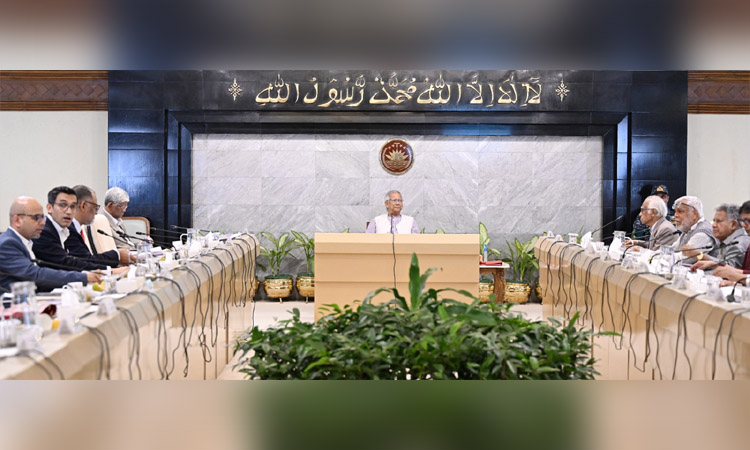
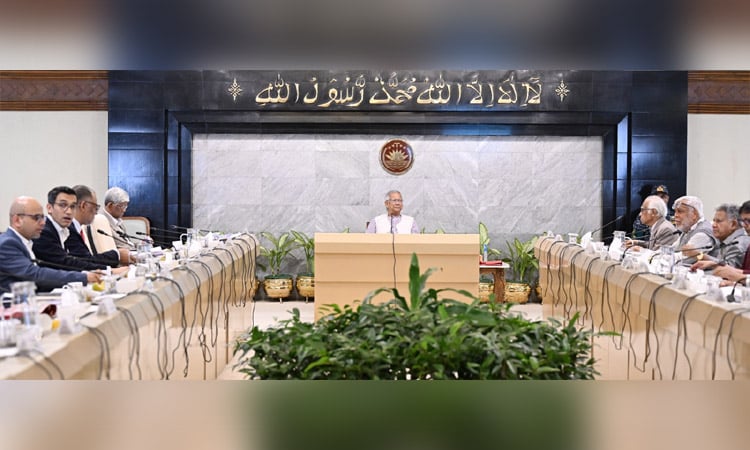
The decision was made today during a recent meeting of the BIDA governing board held under the chairmanship of the Chief Adviser Professor Muhammad Yunus at the Chief Adviser's Office (CAO) in the city's Tejgaon area.
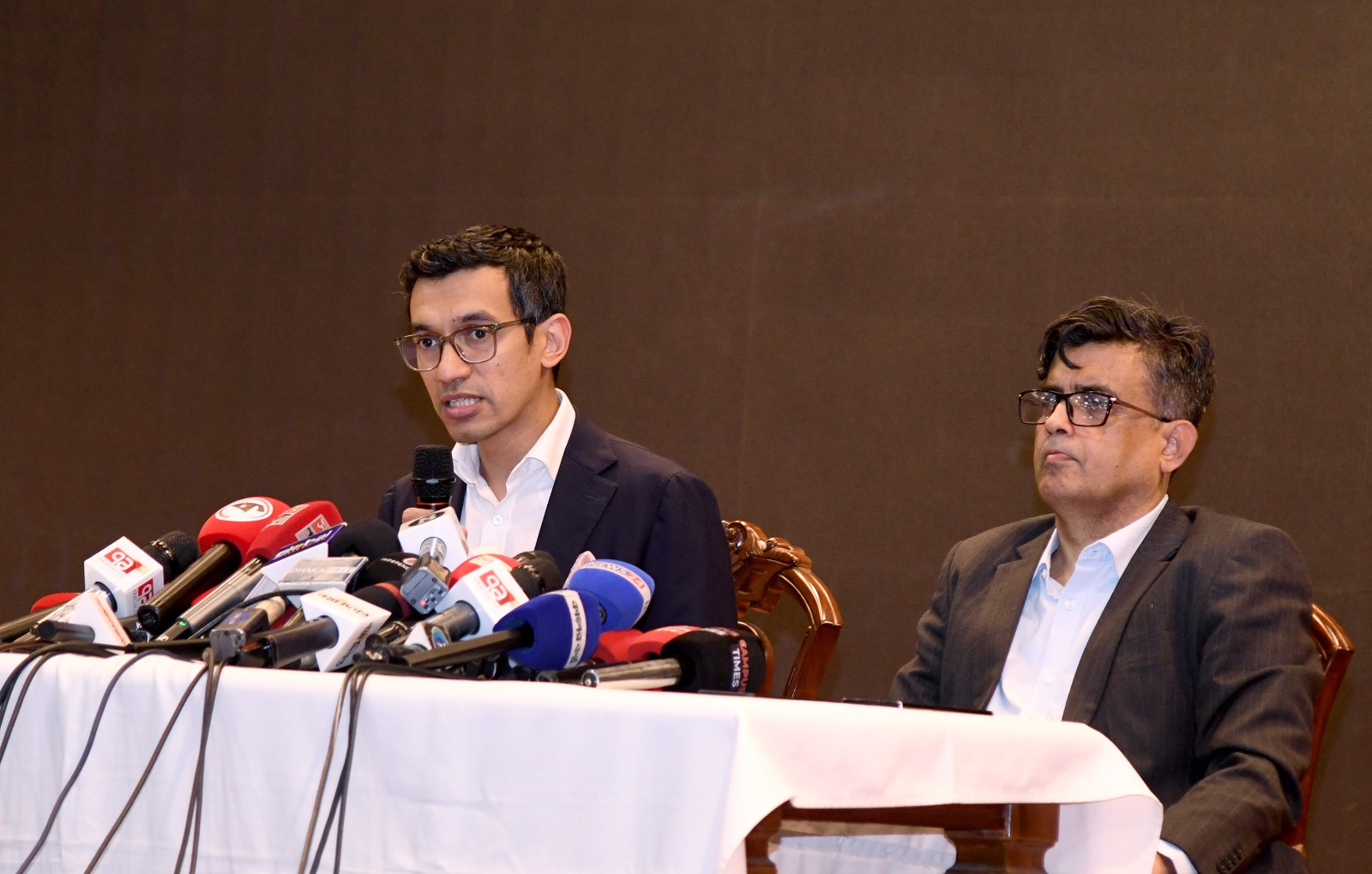
After the meeting at a press briefing at the Foreign Service Academy (FSA), BIDA Executive Chairman Chowdhury Ashik Mahmud Bin Harun announced that the scheme is designed to utilize the extensive networks of Bangladeshis living abroad to attract new investors.
Under the newly approved proposal, he said, NRBs will be eligible for a 1.25 percent cash incentive on the equity they help bring into Bangladesh.
He described this incentive as a token of recognition for NRBs, functioning similarly to the existing cashback system for remittances. Instead of sending money for personal consumption, he said, this policy rewards NRBs for channeling investment capital into the industrial and business sectors.
"If they can bring investment to Bangladesh, we will give them a percentage of that equity back from the government," he explained. “If an NRB facilitates an equity investment of $100 million, they would receive $1.25 million from the government as a reward,” he added. He said that the rationale behind the initiative is the understanding that NRBs are well-connected within their host societies and investment communities.
The government aims to incentivize them to leverage these connections to pitch Bangladesh as an investment destination, he added.
While the policy has received approval in principle from the BIDA governing board, he said, it requires a final procedural step before implementation.
The proposal will now be sent to the Ministry of Finance for ratification, he added.
In a related development to attract FDI, he said that they have decided to establish overseas offices, starting with China, followed by South Korea and a country within the European Union.
He said that these offices will be operated on a commission or variable-pay basis rather than fixed salaries.
“Staff members will be compensated based on their success in bringing investments to Bangladesh,” he added.
He noted that for the China office, the preference is to hire Chinese individuals who possess the necessary language skills and local market knowledge to effectively target investors.
Ashik Chowdhury also announced that the government has approved a roadmap to merge the country’s six investment promotion agencies into a single, unified entity—a concept often referred to as a ‘Single Umbrella’ system.
He said that the initiative involves merging six distinct government bodies responsible for industrial promotion.
“The agencies identified for this consolidation include the BIDA, Bangladesh Economic Zones Authority (BEZA), Bangladesh Export Processing Zones Authority (BEPZA), the Hi-Tech Park Authority, the Public Private Partnership (PPP) Authority, and the Bangladesh Small and Cottage Industries Corporation (BSCIC),” he added.
He explained that the current structure—where the Chief Adviser (or previously the Prime Minister) chairs the governing board of each separate agency—creates significant administrative bottlenecks. "If you look at the history... getting time from the head of the government for these agencies is very difficult," he stated.
He noted that under the previous government, governing board meetings for these agencies occurred on average only once every five years due to scheduling constraints.
By bringing all agencies under one umbrella, he said, the government aims to ensure regular oversight and faster decision-making, suggesting that board meetings should ideally occur every six months. To ensure a fair merger process that does not favor one existing agency over another, he said that the board has decided to appoint an independent third-party consultant.
"We will design the new organization using an independent third-party consultant so that none of these six agencies receive additional benefits or special treatment," he explained.
While the current governing board has provided policy approval and ratified the merger in principle, he said, the physical implementation and legal restructuring will be left to the next government.
The immediate focus will be on the design and structural planning of the unified authority, he added.
In a related development regarding BIDA's mandate, he informed that the board also approved a formal process for privatization. Previously, he said, BIDA had a mandate to privatize state assets but lacked a specific guideline.
The new approval allows for the appointment of investment banks on a commission basis to manage the privatization of government assets efficiently, he said.