Sunday
23 August, 2026
News Flash
News Flash
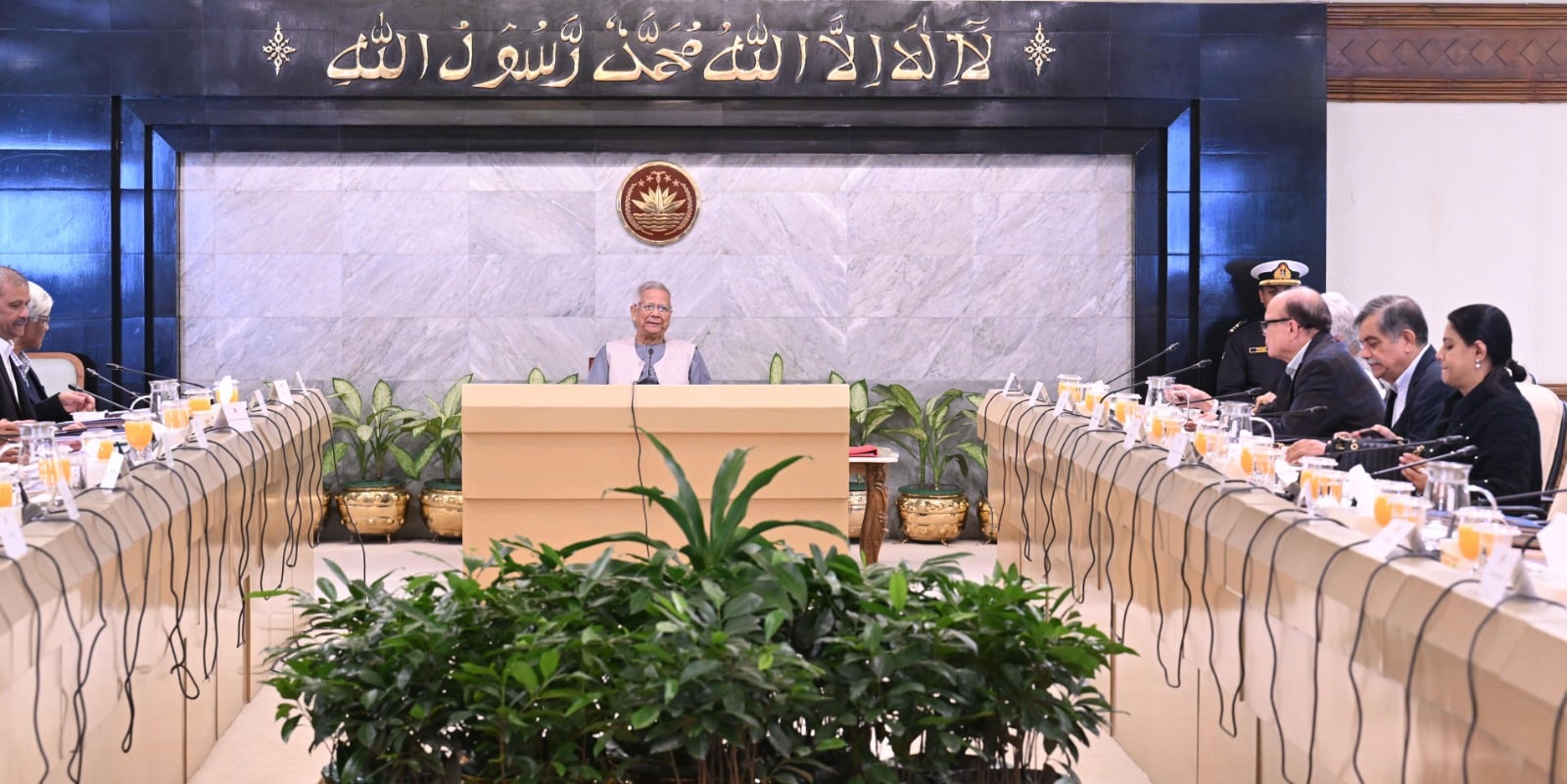
DHAKA, Jan 8, 2026 (BSS) - The Council of Advisers at its weekly meeting today approved guidelines on National Essential Drugs list and pricing and drafts of several major ordinances and policy covering personal data protection, Shilpakala Academy, forest industry reform, climate action commitments, and judicial administration.
The ordinances are: the Personal Data Protection (Amendment) Ordinance 2026, the Bangladesh Shilpakala Academy (Amendment) Ordinance 2026, the Bangladesh Forest Industries Development Corporation Ordinance 2026, the Third Nationally Determined Contribution (NDC 3.0) and the Supreme Court Secretariat (Amendment) Ordinance 2026.
Chief Adviser Professor Muhammad Yunus chaired the meeting at his office in the city's Tejgaon area this morning.
Later, Chief Adviser's Press Secretary Shafiqul Alam briefed the media about the meeting at the Foreign Service Academy here this afternoon.
He said drafts of the Personal Data Protection (Amendment) Ordinance 2026, the Bangladesh Shilpakala Academy (Amendment) Ordinance 2026 and the Supreme Court Secretariat (Amendment) Ordinance 2026 got final approval in the meeting while the draft of Bangladesh Forest Industries Development Corporation Ordinance 2026 got approval in-principle.
Besides, the Third Nationally Determined Contribution (NDC 3.0) got retrospective approval in the meeting, the press secretary added.
Chief Adviser's Special Assistant for the Ministry of Health and Family Welfare Professor Dr Md Sayedur Rahman also spoke at the briefing while Chief Adviser's Deputy Press Secretary Mohammad Abul Kalam Azad Majumder was present.
About the Personal Data Protection (Amendment) Ordinance 2026, Shafiqul Alam said that the Advisory Council approved the ordinance with important revisions made after concerns were raised by global technology companies such as Meta (Facebook) and Google.
The key change involves data localization, he said, adding, earlier provisions required all data to be stored within Bangladesh, but this amendment withdrew that provision.
Under the revised ordinance, mandatory local data storage will apply only to Critical Information Infrastructure (CII), the press secretary said, adding, there are also some restrictions on personal data.
Noting that the earlier provision included imprisonment for criminal offences by corporate offices, he said, the amendment replaced that punishment with financial penalties only.
The government expects that these changes will improve Bangladesh's attractiveness for foreign investment, particularly in cloud services and other digital platforms and data-driven industries, the press secretary said.
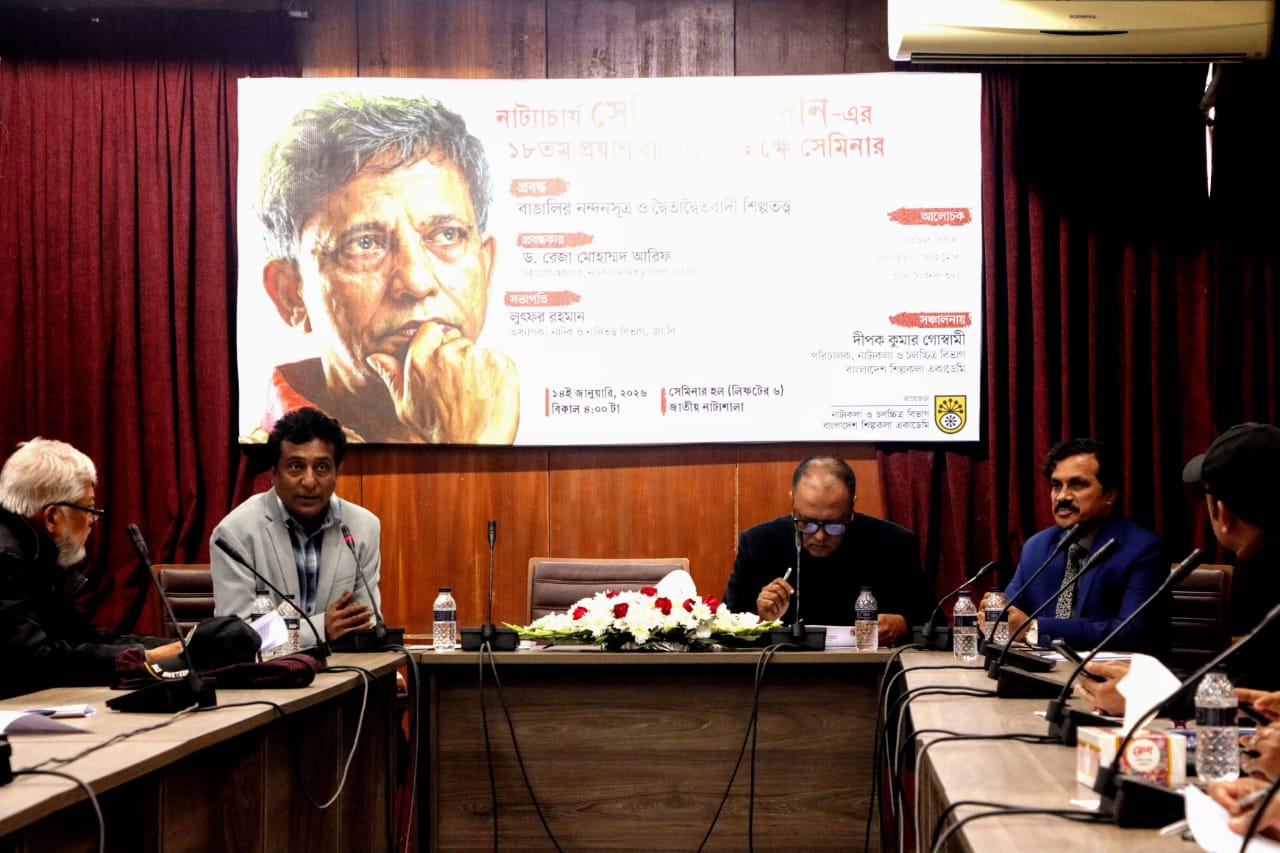
About the Bangladesh Shilpakala Academy ordinance, he said, the ordinance was approved, significantly expanding the Academy's institutional structure.
Under the ordinance, the number of departments of the academy has been increased to nine, namely: Administration and Finance; Theatre; Film; Photography; Dance and Performance Art; Music; Fine Arts; Research, Publications and New Media; and Cultural Branding, Festivals and Productions.
A new provision of the ordinance allowed the government to nominate a representative from ethnic minority groups to the Academy's board, Shafiqul Alam said, hoping that this amendment to the ordinance will strengthen cultural diversity and inclusion in the cultural arena.
The Council of Advisers approved the Bangladesh Forest Industries Development Corporation Ordinance 2026 replacing the outdated Forest Industries Development Corporation Ordinance of 1959.
The new ordinance introduces a modern and integrated framework, Shafiqul Alam said, adding that the new law moves away from purely extractive forest use practices of the past.
It also emphasis environmental protection, biodiversity conservation, and sustainable use of forest resources, he said, adding, the ordinance expands definitions of forest-based products, widening the corporation's operational scope.
Under the new law, the corporation will be able to establish showrooms nationwide to directly market forest-based products, diversify products beyond furniture and raw materials and enter into joint ventures, while ensuring environmental safeguards.
About the Third Nationally Determined Contribution (NDC 3.0), Shafiqul Alam said the Council of Advisers gave retrospective approval to the NDC 3.0 in line with Bangladesh's commitments under the UNFCCC and the Paris Agreement.
Noting that Bangladesh's greenhouse gas emissions stood at 202.04 million tonnes of CO2 equivalent in 2022 while, without intervention, emissions are projected to rise to 418.40 million tonnes by 2035, he said, the NDC-3.0 has set a target to reduce emissions by 84.97 million tonnes.