Saturday
22 August, 2026
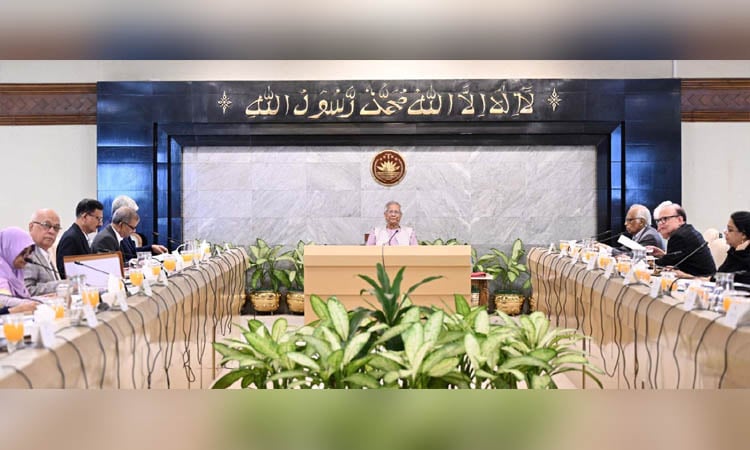
DHAKA, Dec 24, 2025 (BSS) - The Council of Advisers today gave final approval to the Bangladesh Telecommunication (Amendment) Ordinance, 2025, introducing wide-ranging reforms aimed at improving service quality, strengthening regulation, and preventing misuse of surveillance power.
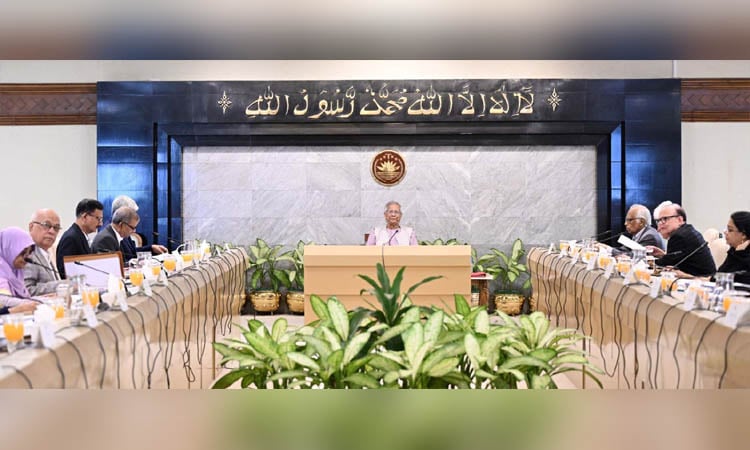
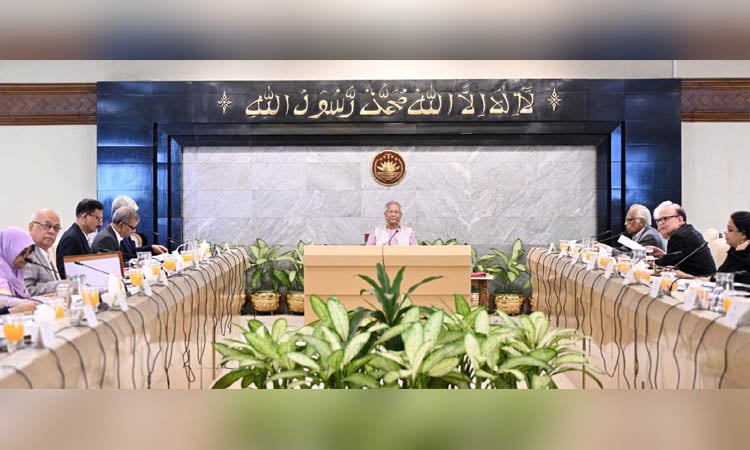
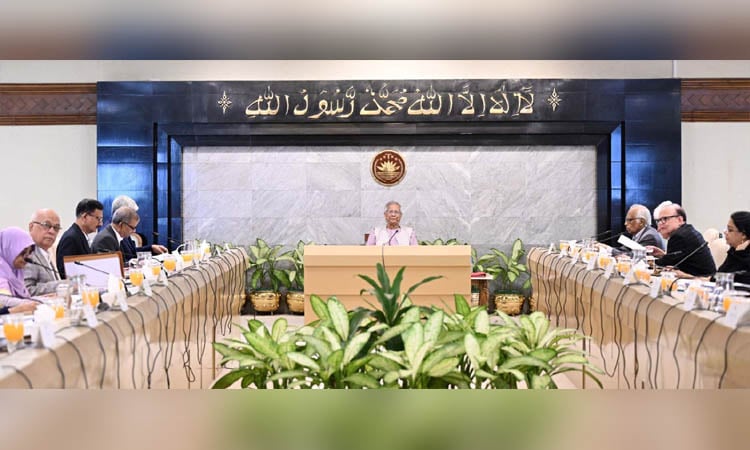
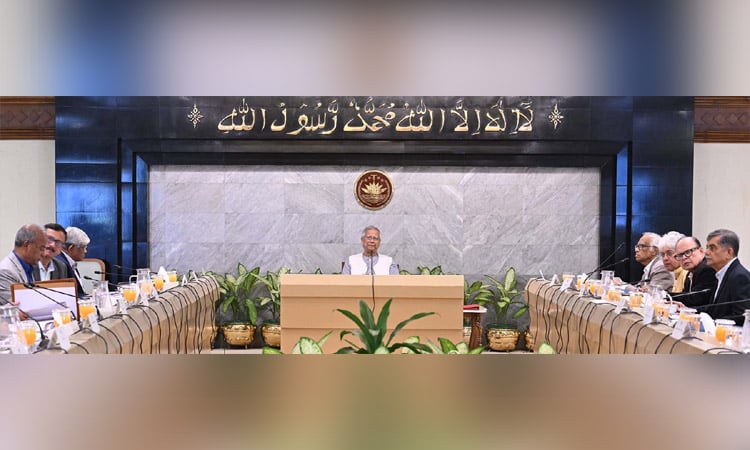
The approval came from a regular weekly meeting of the Council with Chief Adviser Prof. Muhammad Yunus in the chair at his office in Tejgaon .
One of the most significant changes in the amendment is the inclusion of a provision that permanently prohibits the shutdown of internet or telecommunication services under any circumstances (Section 97).
The ordinance also restores the independence and accountability of Bangladesh Telecommunication Regulatory Commission (BTRC) by moving away from the controversial 2010 amendment framework and redefining the balance of authority between the Ministry and the regulator.
Under the new law, only select national-level licenses will require ministerial approval based on independent studies, while all other licensing powers are returned to the BTRC.
An Accountability Committee, chaired by the Chairman of the Parliamentary Standing Committee on Posts and Telecommunications, has also been formed to enhance oversight.
To encourage investment in the telecom sector, the amendment reduces the time required for license approvals and lowers previously high fines and recurring penalties. Transparency measures have been strengthened, requiring the BTRC to hold public hearings every four months and publish follow-up actions online, alongside safeguards against conflicts of interest (Section 87).
The ordinance introduces strong protections against misuse of personal data. Surveillance or harassment using SIM and device registration information has been made a punishable offense (Section 71), while the controversial “speech offence” clause has been revised to criminalize only incitement to violence, in line with the Cyber Security Ordinance 2025 (Section 66A). New provisions for appeal and arbitration in telecom-related disputes have also been added (Section 82B).
A major institutional reform comes with the establishment of the Centre for Information Support (CIS) under the Ministry of Home Affairs (Section 97A), replacing the National Telecommunications Monitoring Centre (NTMC), which has been abolished.
The CIS will only provide technical assistance for lawful interception and will not conduct surveillance itself. Lawful interception will be strictly limited to clearly defined situations such as national security, law and order, urgent life-saving needs, and judicial or investigative purposes, following specific procedures and international best practices.
To ensure accountability, the amendment establishes a quasi-judicial council and parliamentary oversight mechanisms. Complaints regarding unlawful interception can be filed with the council, while the Parliamentary Standing Committee will publish an annual public report on interception activities and review budgets and institutional capacity each year.
The ordinance also includes provisions for image and voice protection, SIM and device data protection, and alignment with international standards set by the United Nations and the International Telecommunications Union (ITU) .
The amendment had earlier received in-principle approval on November 20 and was subsequently reviewed by the Ministries of Home Affairs, Finance, and Planning before receiving final approval at today’s Advisory Council meeting.