News Flash

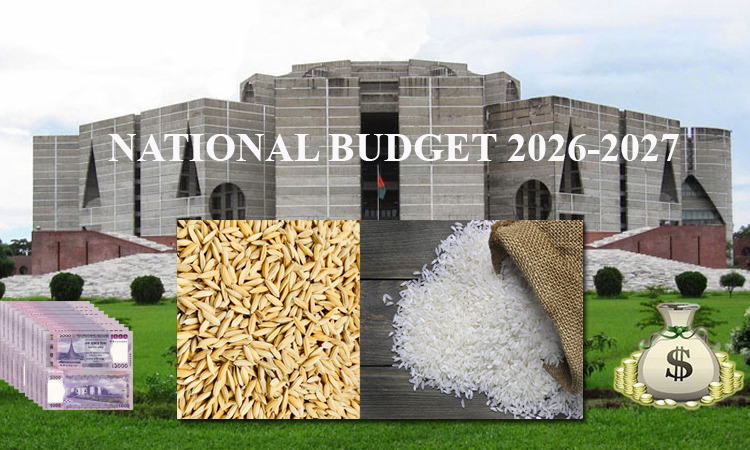
SANGSAD BHABAN, June 11, 2026 (BSS)- The government earmarked Taka 32,414.58 crore for the food sector in the proposed national budget of 2026-27 fiscal year with a target to building up a stable food security network and ensuring procurement of over 41 lakh tonnes of food grains from domestic and external sources.
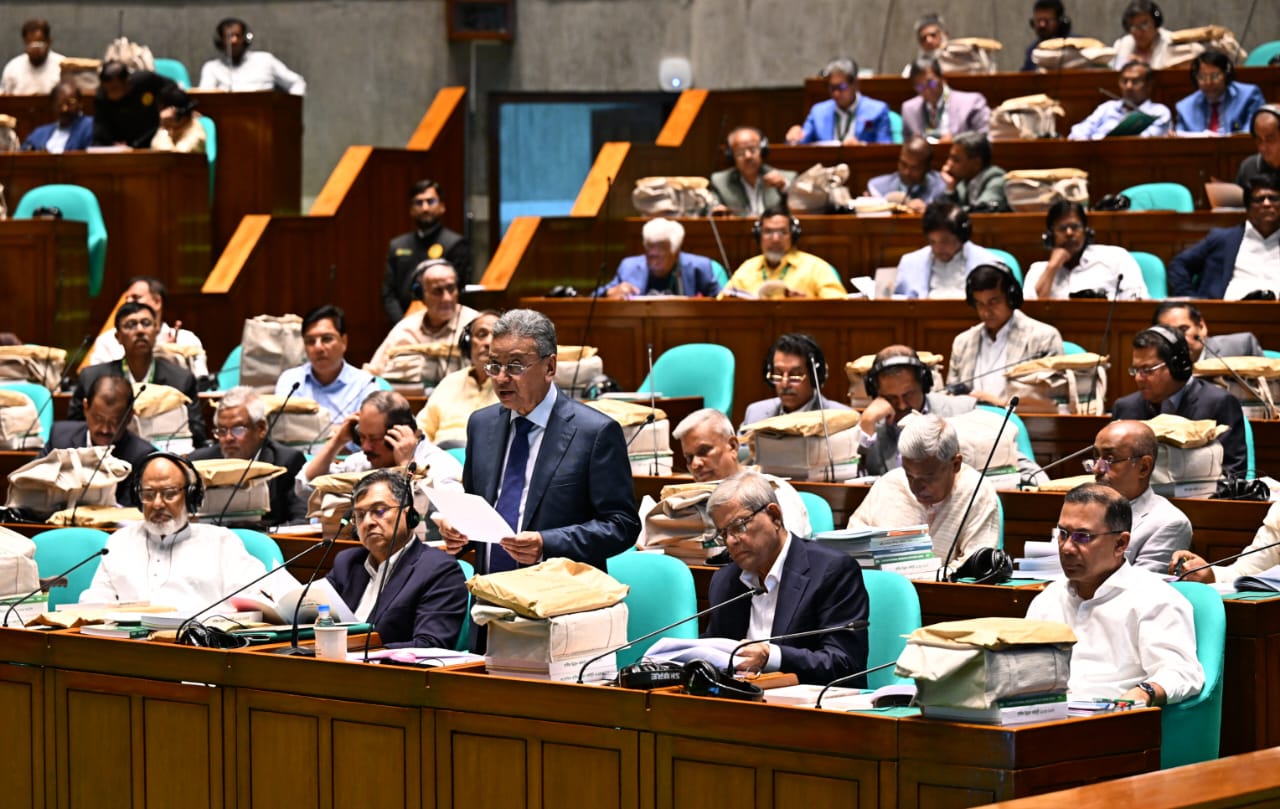
Finance and Planning Minister Amir Khasru Mahmud Chowdhury made the proposal while presenting the national budget of 2026-27 fiscal year at the Jatiya Sangsad Bhaban here with Speaker Hafiz Uddin Ahmad Bir-Bikram in the chair.
Under the allocation, Taka 31,521 crore has earmarked under operating expenditure and Taka 893.41 crore for the development expenditure.
In the national budget of 2025-26, the budgetary allocation for the food sector was Taka 29,541.92 crore while Taka 30,225.83 crore was in the revised budget.
Under the food sector, the government has a plan to building up a stable food security network through ensuring procurement of 41.29 lakh tonnes of food grains from domestic and external sources.
To keep the price of food grains stable, 20.84 lakh tonnes food grains will be sold through Food Friendly and OMS programs. Food safety testing capacity will be enhanced and implementation of digital food management (procurement, storage and distribution) through food safety and Management Monitoring system (FS&MMS).
While placing the budget, the finance minister said, “Our government remains deeply committed to ensuring food security for large population. So initiatives have been taken to increase the storage capacity of food grains at the government level.”
The revised target for food grain procurement in FY2025–26 is 38.19 lakh metric tonnes, which is planned to be increased to 41.29 lakh metric tonnes in FY2026–27, he said.
For digital food management, initiatives are being taken to procure paddy directly from farmers across all upazilas through the "Krishaker App" and to provide training aimed at raising awareness of safe food practices.
The total storage capacity of food warehouses in FY2024–25 was 23.16 lakh metric tonnes, which is planned to be increased to 24.50 lakh metric tonnes in FY2026–27.
To reduce poverty and protect low-income people from the pressures of inflation, 55 lakh beneficiaries are already being provided with 30 kilograms of rice per month at a price of Tk. 15 per kilogram for six months during the lean season under the Food-Friendly Program.
To keep the rice market under control, additional OMS (Open Market Sale) activities have been launched in 419 upazilas. Under this program, rice is being sold daily at a subsidized price of Tk. 30 per kilogram.
Furthermore, to facilitate food access for low-income people, the supply of rice and flour at subsidized prices has been continued through more than 1,000 sales centres across the country.
To ensure transparency, the development of a digital database for preparing a verified list of consumers under the Food-Friendly Program is ongoing. Alongside this, pilot activities have been initiated for the distribution of food grains through the “Food-Friendly Distribution” app.
An online monitoring system has been introduced to monitor food grain market prices.