Tuesday
02 June, 2026
News Flash
News Flash
By Rumana Jaman
DHAKA, Dec 30, 2025 (BSS) - A woman, standing alone, endured the oppression, persecution, humiliation, and harassment of state apparatus. Bearing the grief of losing her husband and the emptiness of losing a son, she fought against every conspiracy. The struggle was long, the suffering immense; at times even she grew weary. Yet she never retreated. She never broke down, never gave up, and never lost patience.
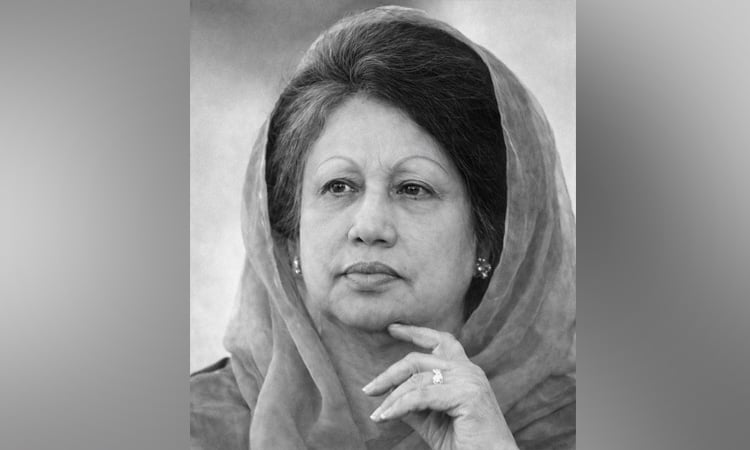
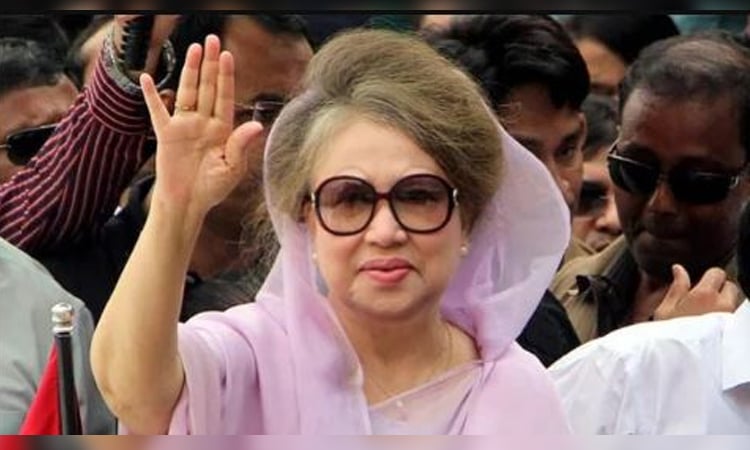
She was Begum Khaleda Zia who stood firm as a beacon of courage, trampling over all sufferings, representing a unified image of Bangladesh.
In the final days of her life, this indomitable leader endured a difficult period. She was undergoing treatment at Evercare Hospital in the capital with lung infections and multiple physical complications. Many illnesses had taken root in her 80-year-old body. As a result, her condition had become extremely critical.
As her health deteriorated, she was moved to an ICU-equivalent High Dependency Unit (HDU). From that moment, millions across the country waited in deep concern and prayed for the recovery of their national leader.
On Tuesday (December 2) afternoon, her personal physician AZM Zahid Hossain briefed the media about her physical condition. He said, "Khaleda Zia is still able to receive treatment. The decision on whether she will be taken abroad for medical care will depend on the medical board and her condition."
Political analysts have long said that Khaleda Zia's good health was crucial for the nation. Her presence was essential during this challenging phase of democratic transition in Bangladesh. They noted that her sacrifices for democracy and the country were profoundly significant.
Analysts further observed that despite her illness, the thoughts and guidance of such an experienced political leader as the BNP chairperson were extremely important in the post-uprising political context. They said that her absence could harm the country, as the former prime minister's role transcended party politics.
Recently, while seeking prayers for her recovery, Chief Adviser Professor Muhammad Yunus said, "In this period of democratic transition, Khaleda Zia is a profound source of inspiration for the nation."
Dr Mahbub Ullah, a retired professor of Dhaka University and political analyst, told BSS that Khaleda Zia dedicated her entire life to the country and its people.
"In her fight to restore democracy, she was brutally tortured by fascist rulers. The torture was so severe that she fell seriously ill and her life was endangered. She risked her life for the country yet never compromised with injustice. For this, every patriotic political party and people of all professions expressed their gratitude and respect for her - an outpouring of sincere love for a political guardian," he said.
He added that after being released from jail, Khaleda Zia played a guiding role in national politics. "As an elder and guardian of the nation, she had many silent contributions. Her very presence was a major source of inspiration for the democracy the nation aspired to. All political parties respected her guardianship. It is this guardian-like character that will keep her immortal. History has already assigned her a place of honor," he said.
"During the difficult period of the BNP, founded by the Shaheed President Ziaur Rahman, the country was under Ershad's military rule. Amid national crisis and despite her deep reluctance, Khaleda Zia first stepped into politics as a party worker and later led the party. Thus she began her four-decade-long political journey. Through bold leadership in the anti-Ershad movement, she emerged as a symbol of uncompromising leadership to the masses. Only eight years after entering politics, she became the country's first elected woman prime minister," he said.
"She had to navigate many ups and downs. At times she was prime minister; at other times, an outspoken opposition leader in the streets. Her painful imprisonment during the 1/11 government and later under the Awami League government remains one of the political tragedies of Bangladesh. Her commitment to democracy, independence, and sovereignty is remembered as exemplary," he said.
Historian and political analyst Siddiqur Rahman described Khaleda Zia as a symbol of political unity in the current context.
He said her uncompromising struggle made her an indispensable political figure and a guardian of the nation.
"She became crucial in the struggle to protect the country's independence, sovereignty, and democracy. Her presence was urgently needed. To BNP leaders and workers, she was the symbol of unity. To democracy-loving people across the nation, she was a unique personality," he said.
Throughout her long journey, attempts were repeatedly made to remove her from politics. But her immense popularity thwarted every conspiracy. Analysts say her prolonged absence due to illness placed the nation at renewed risk.
Her imprisonment under the Awami League government in corruption cases and subsequent severe illness kept her largely inactive in BNP politics since 2018. Yet under her leadership, the party continued to struggle against Sheikh Hasina's authoritarian rule for years. Like countless BNP activists, Khaleda Zia herself paid the price. Even in poor health, she was imprisoned for a long time. Many allege that Awami League government's conspiracy contributed to the worsening of her condition.
Analysts say that even in illness or physical absence from political activities, she remained the emotional center and inspiration for millions of party workers.
Political analyst Dr Dilara Chowdhury noted that Khaleda Zia fought for democracy and sovereignty with great political wisdom. "She endured pain, imprisonment, and verbal abuse. But she never sought revenge. Even in adversity, she never left the country," she said.
She said Khaleda Zia would always say: "This country is mine. I will never leave it. I will remain with its people."
"Because of this, she rose above party and opinions and she became a guardian as people sought her guidelines. Her recovery was extremely vital for the nation at that moment," she said.
When the party and the nation were anxiously waiting for her recovery, BNP Secretary General Mirza Fakhrul Islam Alamgir had said in a grief-stricken voice: "Our chairperson has led uncompromisingly struggles for democracy, voting rights, and political freedom. She is not only the hope of the BNP but of the common people. She is the strongest symbol of democracy. Our leader Begum Khaleda Zia is fighting for life in the hospital. We all raise our hands to Allah praying for her recovery."
BNP Standing Committee member Dr Khandaker Mosharraf Hossain said her long struggle, sacrifice, and steadfast position constituted an important chapter for the nation.
"She always remained uncompromising in defending democracy, independence, and sovereignty. Her recovery was essential for political stability and democratic continuity," he said.
BNP Standing Committee member Dr Abdul Moyeen Khan said Khaleda Zia was the voice of millions of protesting Bangladeshis.
She established her place in politics through her street activism and devoted her life to securing the democratic and economic rights of the deprived, he said.
He added that she was unwavering in matters of principle, earning her the title "The Uncompromising Leader" (Aposh-hin Netri).
Moyeen Khan said another unique quality of hers - she never engaged in revenge politics. "She forgave those who erred. These qualities elevated her to a position beyond party politics - a stateswoman in every sense. Everyone was eagerly waiting for her recovery," he said.
Standing Committee member Gayeshwar Chandra Roy said Khaleda Zia was the aspiration of the nation. "People of all political backgrounds stood united in her name. Had she recovered, democracy would have returned to Bangladesh and the dream of a nation built on the spirit of the Liberation War would have been fulfilled," he added.
In a Facebook post, Nahid Islam, Convener of the National Citizen Party (NCP), described Khaleda Zia as an extraordinary inspiration in Bangladesh's democratic struggle.
He wrote that for decades she played an unwavering role in defending the country's independence, sovereignty, and national interests. "Despite unrelenting persecution, fabricated cases, and political revenge by fascist forces, her unwavering spirit and uncompromising stance will remain a shining example in Bangladesh's democratic history," he said.
He added that from the 1990 mass uprising, the anti-autocracy movement, and the subsequent democratic restoration, Khaleda Zia's resilience, patriotism, and leadership left a lasting impact on national life.
Many generations saw her as a symbol of courage, tolerance, and democratic values, he added.
Mojibur Rahman Monju, Chairman of the Amar Bangladesh (AB) Party, said Khaleda Zia represented an important chapter in the democratic political history of Bangladesh. Her unwavering leadership through long adversities will remain written in bold letters, he said.
He added that her contributions extended beyond her own party - to the country's political environment, democratic progression, and protection of humanitarian values. In this time of political transition, the presence of such an experienced leader would have been vital to national interests, he said.