Thursday
03 September, 2026
News Flash
News Flash
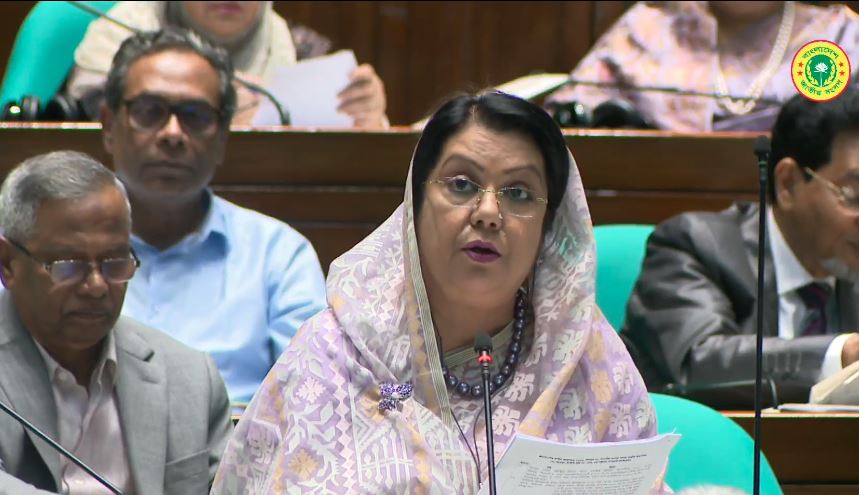
SANGSAD BHABAN, Sept 3, 2026 (BSS) - Food Minister Afroza Khanam today said there is no shortage of foodgrains in the country now as government warehouses hold more than 2.43 million metric tons of foodgrains against the prescribed security stock.
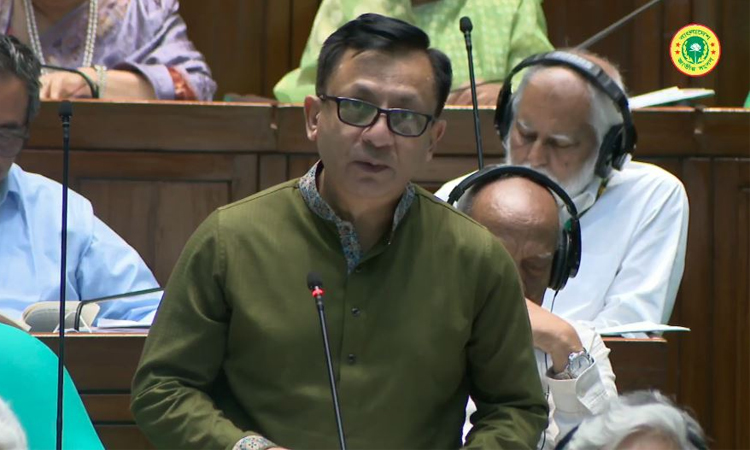
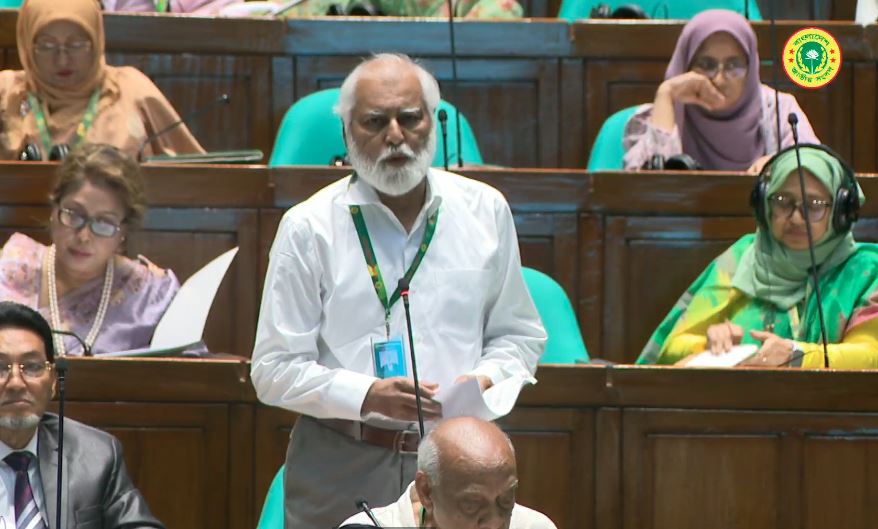
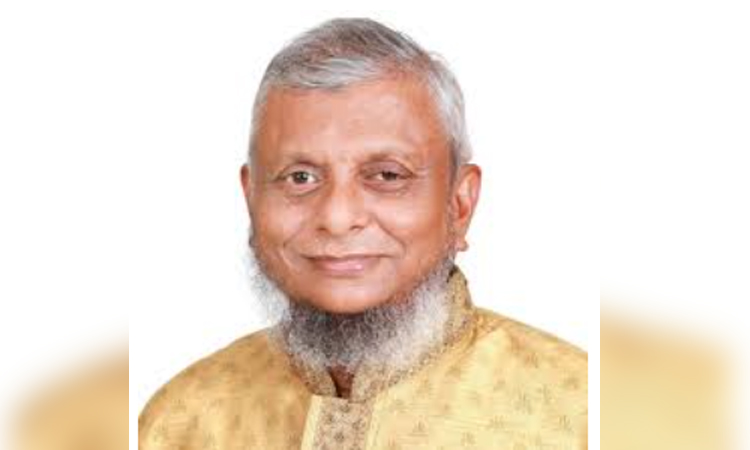
“According to the current stock and the prescribed security stock, the country currently has a food surplus,” she said while replying to a scripted question from opposition lawmaker (Bangladesh Jamaat-e-Islami) Md. Moshiur Rahman Khan during the day’s question-answer session in the Jatiya Sangsad with Speaker Hafiz Uddin Ahmad, Bir Bikrom, in the chair.
Afroza said the government food warehouses had 2,437,807 metric tons of foodgrains as of August 30, 2026.
The minister said the Food Planning and Monitoring Committee (FPMC), at its meeting on August 6, 2026, set the government foodgrain security stock at 1.40 million metric tons for normal times and 1.50 million metric tons for periods of crisis.
“Therefore, there is no shortage of food (rice and wheat/flour) in the country,” Afroza Khanam mentioned.
According to the minister, Bangladesh produced 43.496 million metric tons of foodgrains (rice and wheat/flour) in fiscal 2025-26 against a target of 45.388 million tons, achieving around 96 percent of the target.
Citing the FAO Food Outlook, she said the country’s rice demand or consumption stood at 42.3 million tons in FY2025-26, against total supply of 43.652 million tons.
Of the total rice supply, 42.467 million tons came from domestic production and 1.285 million tons from imports, she said.
The minister said wheat demand or consumption stood at 8.2 million tons during the same fiscal year, while total supply reached 8.367 million tons, including 1.029 million tons of domestic production and 7.338 million tons of imports.
For FY2026-27, the FAO Food Outlook estimated rice demand or consumption at 42.6 million tons and wheat demand or consumption at 8.3 million tons, she said.
“Rice and wheat are imported by both the government and private sectors to ensure normal supply in line with demand and to keep prices stable,” the minister added.