Wednesday
02 September, 2026
News Flash
News Flash
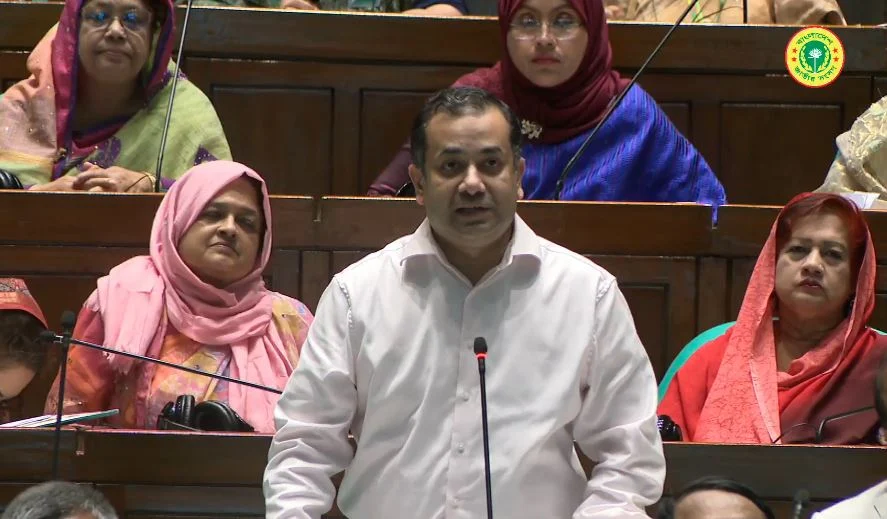
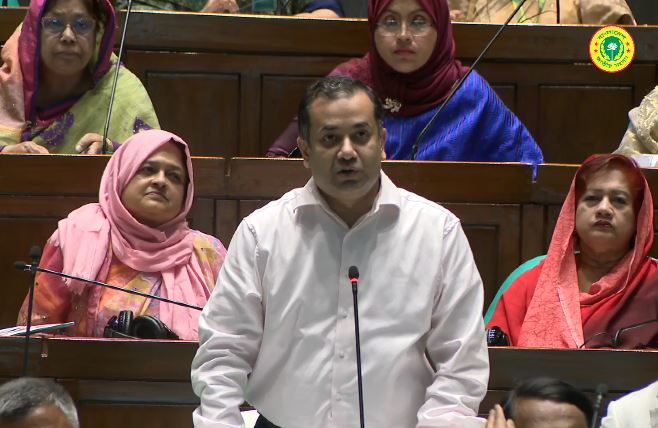
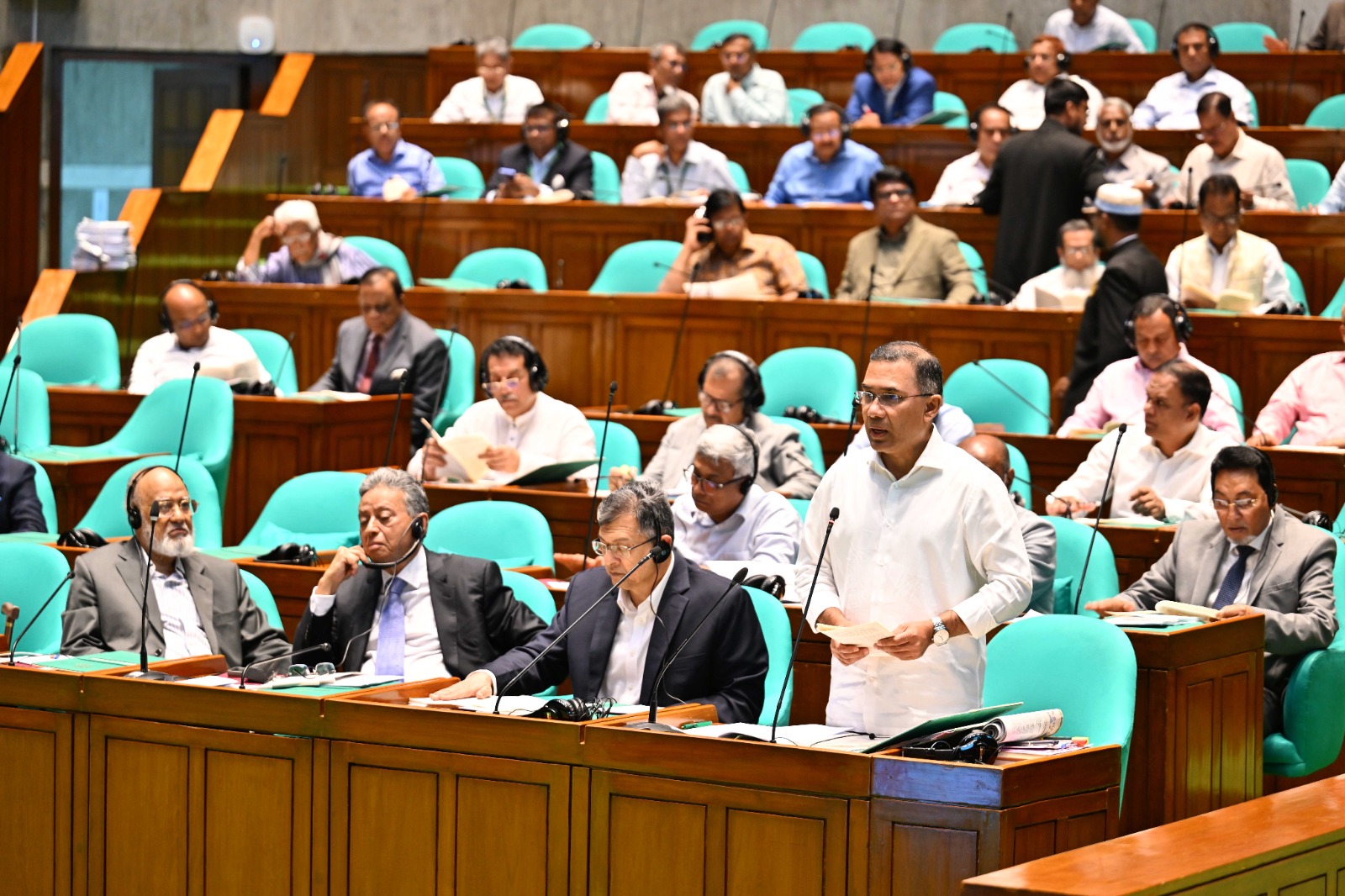
SANGSAD BHABAN, Sept 2, 2026 (BSS) - State Minister for Power, Energy and Mineral Resources Aninda Islam Amit today told Parliament that the existing power situation would improve within next 15 days as government efforts were underway to address the fuel supply issue.
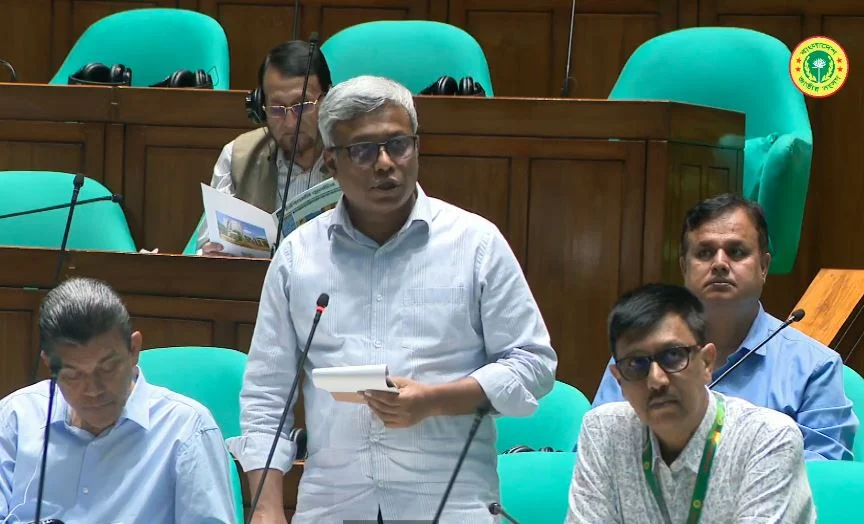
“People are currently suffering from shortages of electricity and gas. The government doesn’t want to hide the actual situation behind mere words,” he said responding to a supplementary question on from opposition lawmaker from Chapainawabganj-3 Md Nurul Islam.
He attributed the current energy and power crisis to the inevitable consequences of wrong policies adopted in the past as well as the impact of the recent crisis in the Middle East.
Amit said the generation capacity of the country’s gas-fired power plants was around 12,000 megawatts while they require nearly 1,900 million cubic feet (mmcf) of gas daily to produce the quantum.
“Currently, 2,300 to 2,700 mmcf of gas can be supplied through domestic production and imported LNG. If all the gas is allocated to power generation, supplies to industries and households will be disrupted,” he said.
Therefore, he said, the government was striking a balance in gas allocation among the power, industrial and household sectors.
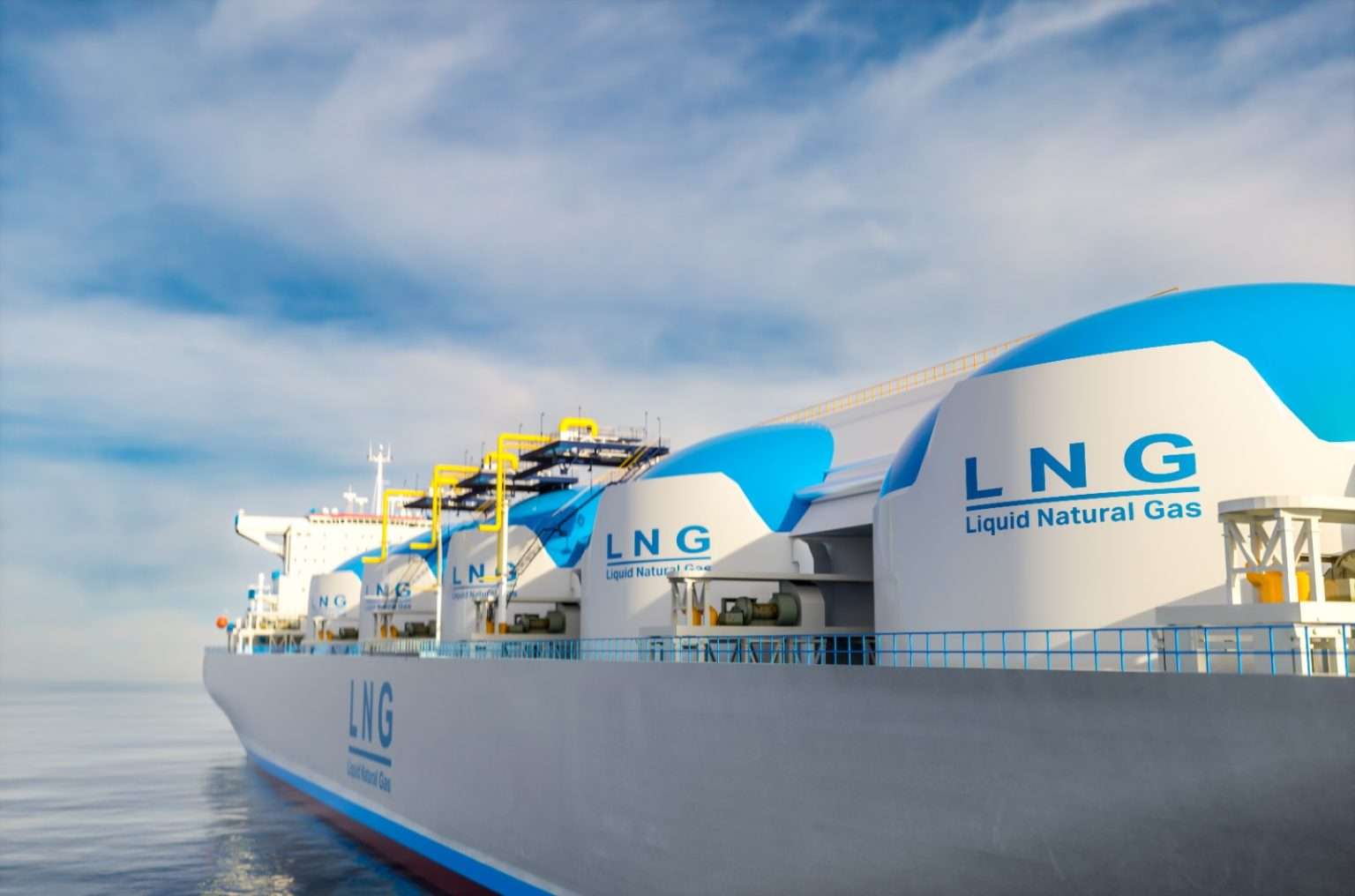
He said Bangladesh’s one of the two floating storage and regasification units (FSRUs) for imported LNG went out of order and on July 21 and took around 21 to 22 days to get it repaired.
“This caused a major disruption to the fuel supply system, which directly affected power generation,” Amit said.
The state minister said one 616 MW unit of the Payra power plant was currently shut down due to a technical fault, while another 616-MW unit at the Matarbari power plant was undergoing maintenance.
“Steps have been taken to bring both units back into full operation quickly,” he said.
Amit said under the power purchase agreement with India’s Adani Bangladesh was supposed to receive 1,600 MW of electricity, but was currently receiving around 900 MW during the daytime and nearly 1,100 MW in the evening.
The state minister, however, said around 88 percent of the fuel supply system was working normally and “we hope to restore the fuel supply system fully at the beginning of next month”.
“Once fuel supplies become normal, power plants, industries and households will receive adequate fuel, leading to an improvement in the power situation,” Amit said.
The state minister said the government had decided to operate furnace-oil-based power plants as immediate remedy to the crisis.
He said some media reports suggested 6,000 MW to 6,500 MW of electricity could be generated using furnace oil, which he called over estimation since the furnace oil-run plants capacity was low since they were designed to operate in peak hours only and cannot operate continuously.
“These plants can be operated at a maximum of 70 to 80 percent of their capacity. Therefore, they can generate a maximum of around 4,000 MW,” he said.
Currently, he said, around 3,200 MW was being generated from these plants.
Amit said the increasing generation would require additional funds as the government owed around Tk 46,500 crore to furnace-oil-based power plants as accumulated arrears from the previous and interim governments.
He said the finance ministry recently allocated Tk 6,000 crore, an amount which would enable the plants to generate around 4,000 MW of electricity.
The state minister said the government was closely monitoring efforts to bring the Payra and Matarbari power plants back to full capacity while also stressing the need for economical use of electricity.
Referring to the government initiative to close shopping malls and shops by 8pm, he said the directive was not being properly followed at the field level and sought lawmakers’ cooperation to ensure implementation of the directive in their respective areas.
Amit identified rooftop solar power as the most important source for a medium-term solution adding the government took initiatives to install solar panels on the rooftops of public and private buildings ahead of the next summer and irrigation season.
“Local entrepreneurs will invest in this sector and will be able to sell surplus electricity to the government at Tk 10.50 per unit. According to the government’s estimate, the maximum generation cost could be Tk 8 per unit,” he said.
Amit said the initiative was expected to yield results in next six months recovering a major portion of their investment by selling surplus electricity for up to three years while an initiative was also underway to issue an SRO to provide special facilities to solar panel importers.
The government was simultaneously taking initiatives to provide various facilities, including customs duty and VAT benefits, to solar power producers, he added.
The state minister said current crisis wrong policies and inadequate investment in the power and energy sectors over the past one and a half decades resulted in the current crisis.
“Although power plants were established, adequate fuel supplies were not ensured. At the same time, insufficient investment was made in transmission and distribution systems,” he said.
The state minister also attributed the crisis to a lack of diversification in energy sources and excessive dependence on specific geographical areas.
Amit said the government was making all-out efforts to ensure that people did not face the level of suffering they experienced in August, at least during September.
“Although the power and energy crisis is uncomfortable, it is the government’s responsibility to provide the people with accurate information,” he said.