Wednesday
26 August, 2026
News Flash
News Flash
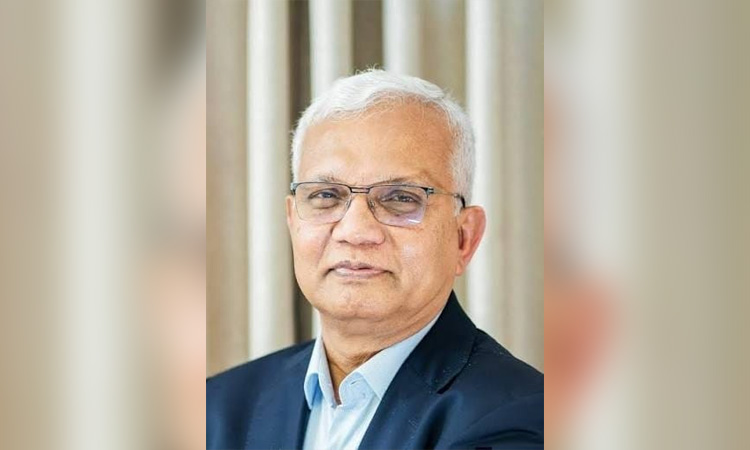
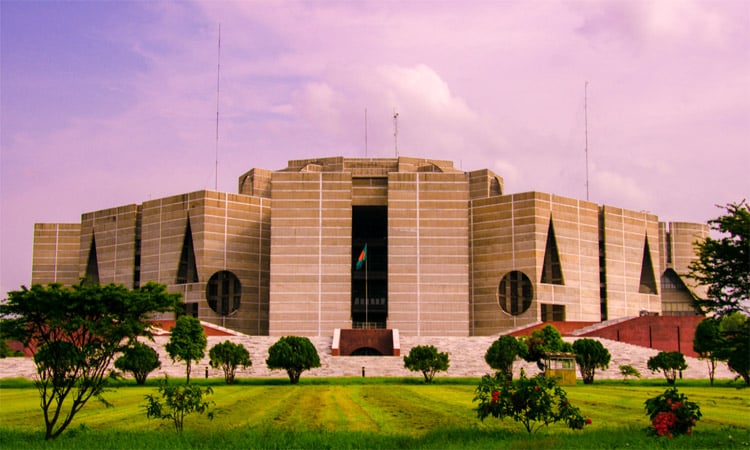
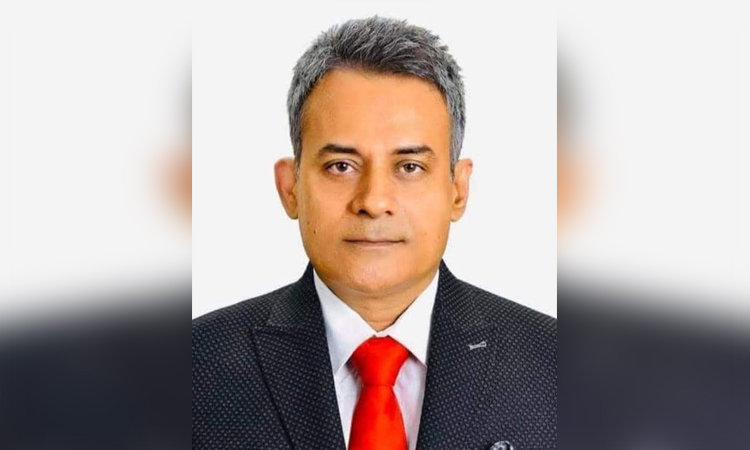
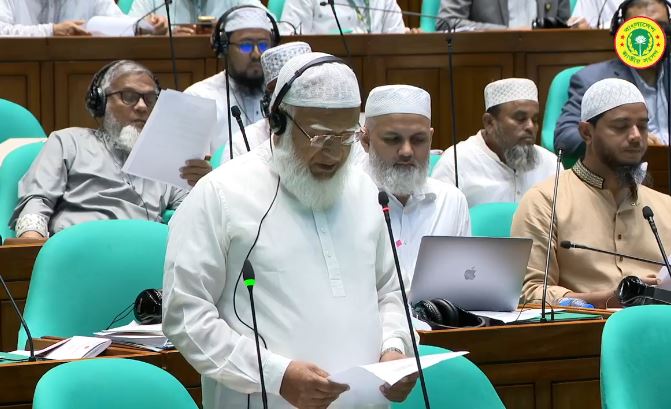
SANGSAD BHABAN, July 14, 2026 (BSS) - Social Welfare Minister Abu Zafar Md. Zahid Hossain today said the government has been implementing a wide range of rehabilitation, social protection and employment generation programmes to improve the living standards of the extreme-poor and disadvantaged people across the country.
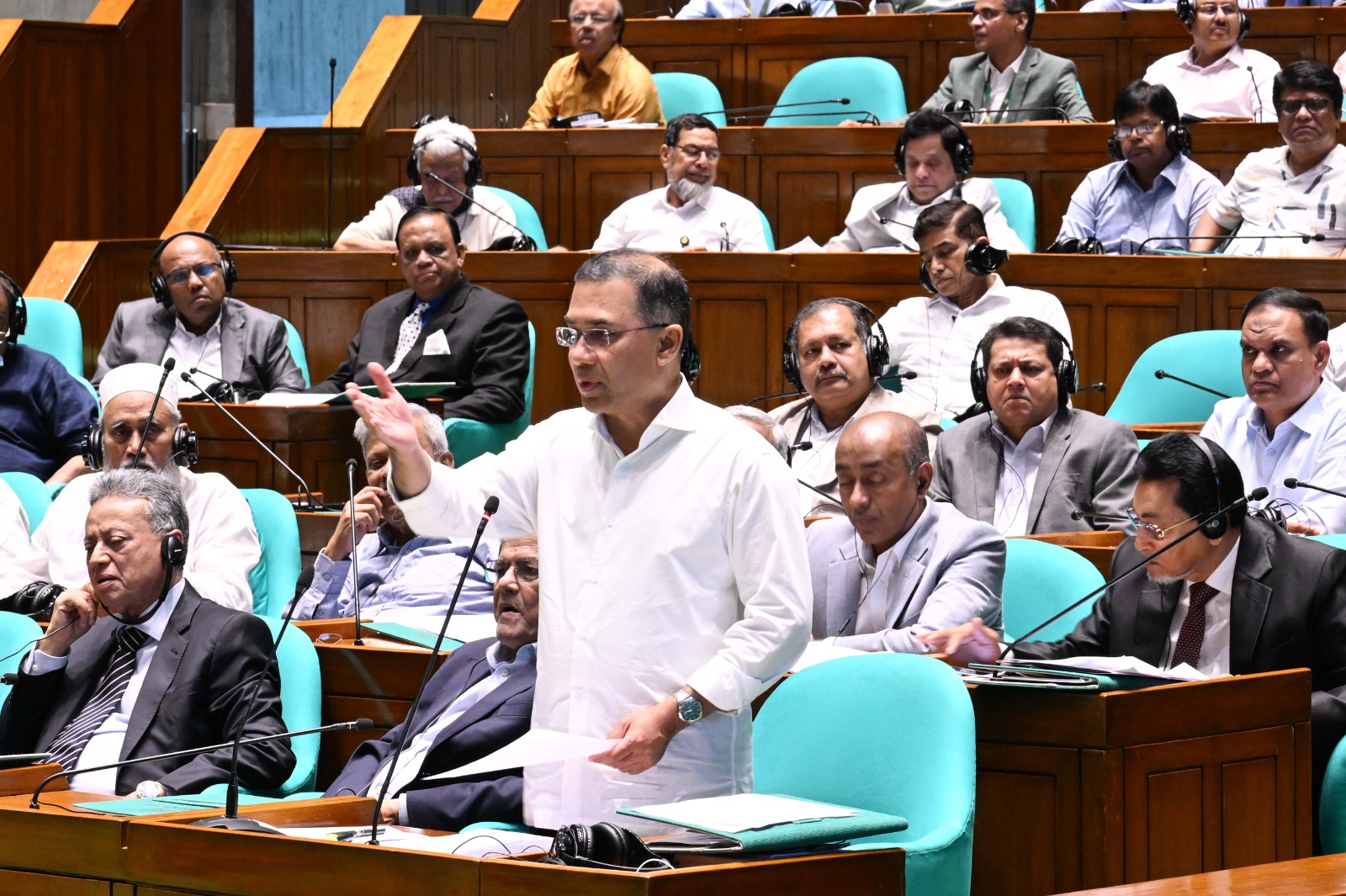
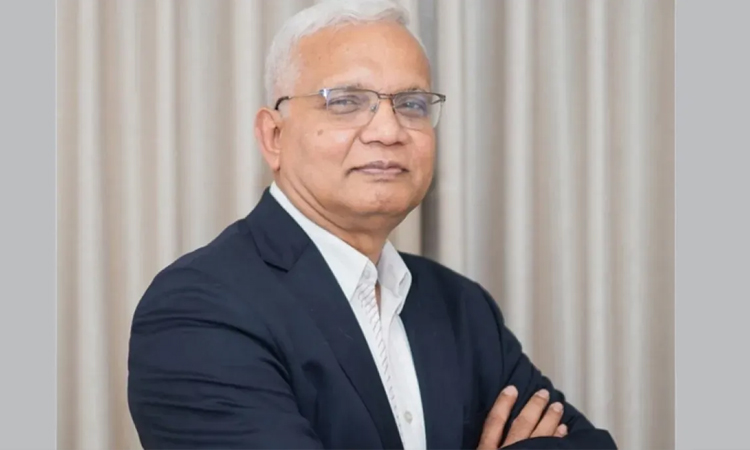
He said this while replying to a written question from opposition member Md Moktar Ali (Jashore-6) in the Jatiya Sangsad.
The minister said the Ministry of Social Welfare has undertaken a number of initiatives aimed at rehabilitating ultra-poor people and bringing them into the mainstream of development.
He said the Rural Social Services (RSS) Programme is helping landless and poor rural people by creating social awareness and involving them in income-generating activities.
The programme also promotes maternal and child healthcare, sanitation, primary education, literacy, support for orphans and vulnerable people, family planning and campaigns against social problems such as child marriage, polygamy, dowry and trafficking in women and children.
The minister said the Rural Mothers’ Centre (RMC) Programme is empowering disadvantaged and low-income rural women by organising them into groups, encouraging savings and providing vocational training based on local demand.
“The training includes bamboo and cane crafts, embroidery, cattle fattening, fish farming, nursery management, poultry rearing, jute products, Nakshi Kantha, wooden handicrafts, net weaving and small business management,”
He said the Urban Community Development (UCD) Programme is currently being implemented through 80 Urban Social Services offices in all city corporations and district headquarters.
“The programme improves the socio-economic condition of disadvantaged urban people through community mobilisation, coordination with government and non-government organisations, skills development training, interest-free microcredit and other social development initiatives,” he said.
The minister also highlighted the rehabilitation programme for burn survivors and persons with disabilities being implemented by the Department of Social Services since the 2002-03 fiscal year with government revenue funding.
Under the programme, he said, burn survivors and persons with disabilities receive improved treatment facilities, skills-based vocational training and access to interest-free microcredit for self-employment.
The programme is being implemented through 575 offices, including 495 upazila offices and 80 urban social services offices.
“Eligible beneficiaries living below the poverty line are identified through household surveys, and interest-free loans ranging from Tk 5,000 to Tk 50,000 are provided to support income-generating activities and improve their livelihoods,” he added.
The minister said the ministry is implementing a broad range of social safety net and welfare programmes at the upazila level.
These include old-age allowances, allowances for widowed and destitute women, disability allowances, education stipends for students with disabilities, programmes for the development of disadvantaged communities including Bede, Hijra and tea workers, financial assistance for patients suffering from cancer, kidney disease, liver cirrhosis, stroke-related paralysis, congenital heart disease and thalassaemia, rehabilitation and alternative employment for beggars, livelihood development programmes for marginalised communities, the Rural Social Services Programme, Rural Mothers’ Centre Programme, rehabilitation services for burn survivors and persons with disabilities, capitation grants for private orphanages and hospital social service programmes.
Regarding unemployed and uneducated poor youths, the minister said the government is implementing practical and demand-driven programmes through the Department of Social Services to transform unemployed youths into skilled human resources and create sustainable employment opportunities.
He said unemployed youths are being provided interest-free microcredit ranging from Tk 10,000 to Tk 50,000 under the Urban Social Services Programme to establish businesses and start-ups. Those who successfully complete skills development training are eligible for loans of up to Tk 100,000.
The minister said the government is also operating two socio-economic training centres established in 1973 at Mirpur in Dhaka and Shalbon in Rangpur to enhance women’s employability and economic empowerment.
The centres provide vocational training in leather goods manufacturing, block and batik printing, flower making, knitting, doll making, tailoring, embroidery, beauty care, garment production and bamboo and cane crafts, enabling women from low- and middle-income families to increase household incomes and become self-reliant.
He said the government’s overarching objective is to create sustainable employment opportunities for educated unemployed youths so that they can become self-reliant instead of depending on social allowances, thereby contributing to the country’s economic growth and social development.