BSS
  07 Jul 2026, 20:33

Govt plans to earn over US$10 billion from leather sector: Muktadir tells JS

Photo: Video Screenshot

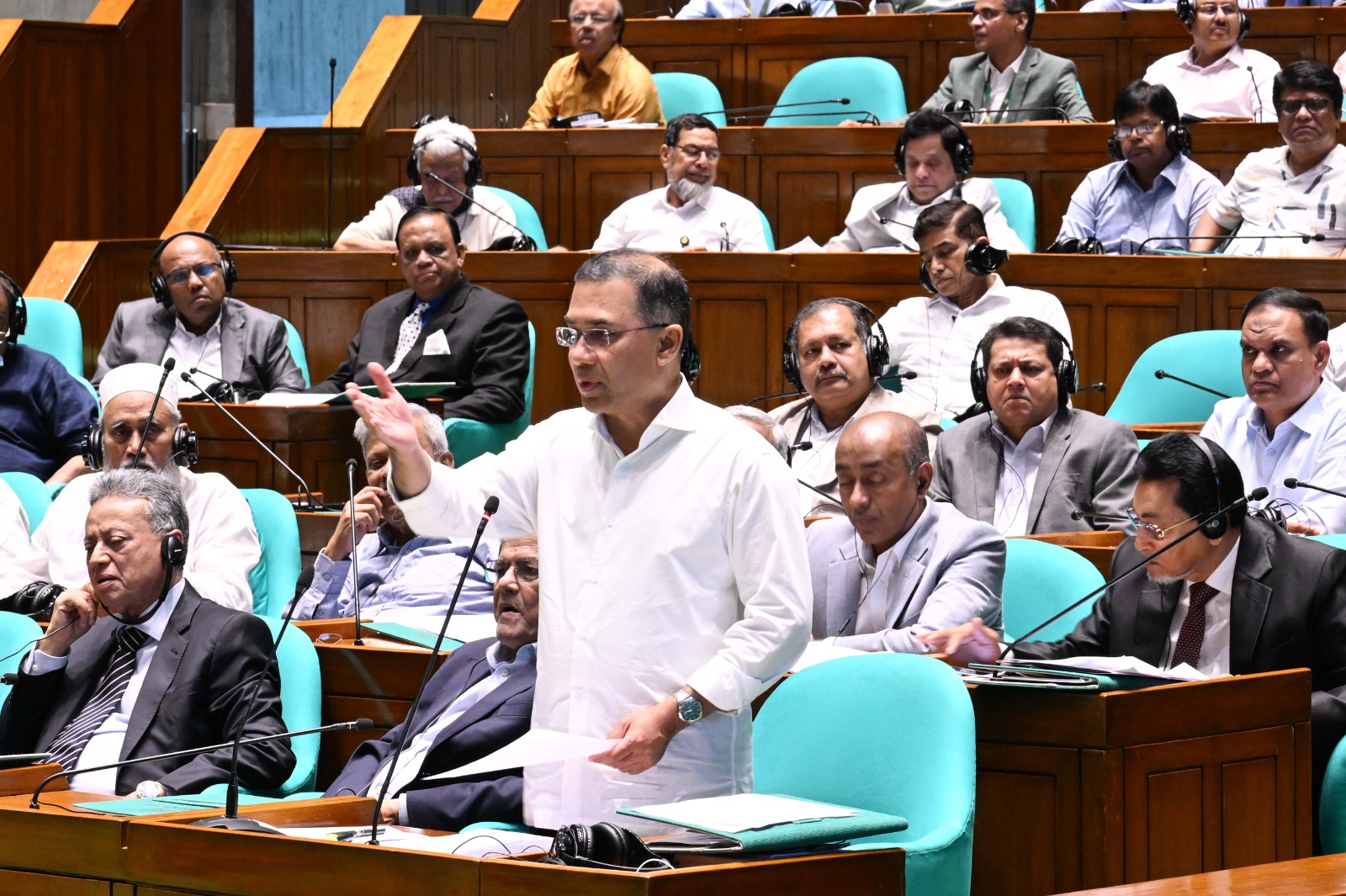
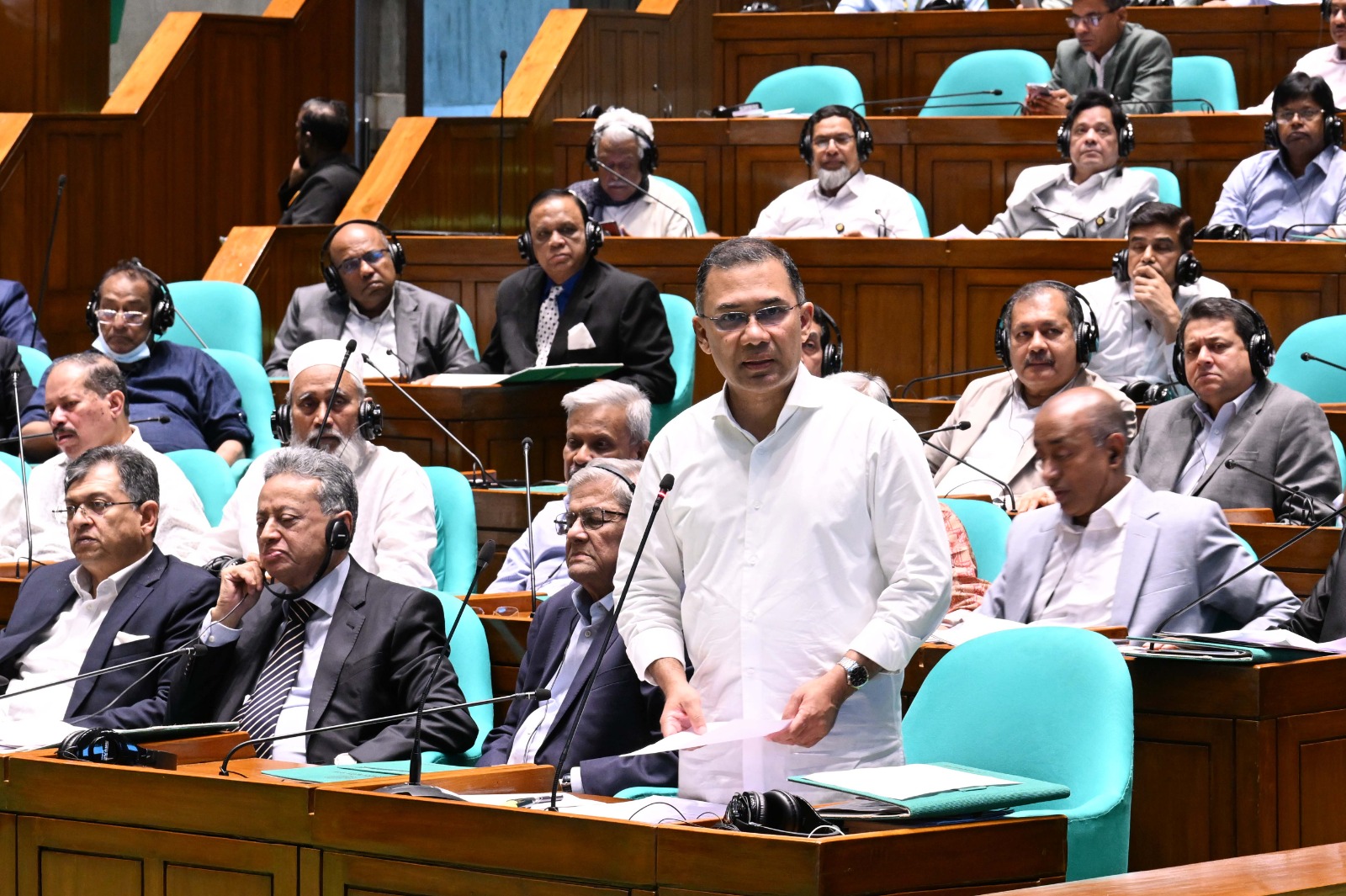
SANGSAD BHABAN, July 7, 2026 (BSS) - Commerce and Industry Minister Khandaker Abdul Muktadir today said the government has a target to earn over US$10 billion from the raw leather exports.

“Bangladesh has a scope to earn as much as US$10 billion annually from exports of leather and leather goods derived from domestically produced rawhides,” he said.

The minister came up with this assurance while replying to an important public notice raised by opposition Bangladesh Jamaat-e Islami lawmaker Shahjahan Chowdhury from Chattogram-15 under section 71 of the rules of procedure at the Jatiya Sangsad here with Speaker Hafiz Uddin Ahmad, Bir-Bikram, in the chair.

He said the country currently utilizes only 0.26% of its leather potential. Production and exports could increase by between 12 and 14 times if longstanding constraints were addressed, he added. 

As the foreign buyers had no compliant criteria, so the local non-compliant tanneries could export raw hide in 20 years ago, said the minister, adding that but now the compliant issue became a major issue for raw hide export and that’s why the raw hide export drastically face a severe crisis in the country.

Bangladesh’s leather industry risks falling behind rising global compliance standards unless management of the troubled Central Effluent Treatment Plant (CETP) at the Savar Tannery Industrial Estate is handed over to a competent professional operator, economists and industry stakeholders.

The long-awaited relocation of tanneries from Hazaribagh to Savar remains incomplete because critical environmental infrastructure has failed to function properly, he said.

He argued that the relocation process damaged buyer confidence because gas and electricity connections in Hazaribagh were cut before adequate preparations were completed in Savar.

To materialize the criteria, Muktadir said the government will make the central effluent treatment plant full functional as CETP was installed to refine 25000 cubic feet water but it [CETP] is not capable to refine not more than 14000 cubic feet water.

He added that waste treatment facilities must operate effectively if the industry is to meet international standards.

To make the local leather sector viable, he said the government has a plan to provide  financial and technical support to local tanneries and installation of Effluent Treatment Plant (ETP), and leather working group (LWG) certification also will be mandatory.

The Bangladeshi leather industry, which holds the second position in terms of export earnings, has significant consequences. However, the factories at the leather estate cannot export leather goods to reputable international brands due to a lack of necessary certification from the Leather Working Group (LWG).

Leather Working Group (LWG) certification is a mandatory prerequisite for exporting leather to major global brands in the US and the EU. The audit evaluates environmental compliance, chemical management, and traceability. 

For Bangladeshi exporters, securing this certification is vital to access premium markets, as global retailers increasingly require supply chain compliance.

The leather export trajectory is not stagnant; it is in freefall. Bangladesh exported $226 million worth of leather products in FY10, a figure that climbed steadily to $400 million five years later. 

Since then, it has collapsed. By FY18, leather exports had fallen to $183 million. They declined further to $128 million in FY25. In the first nine months of the FY26, leather exports stood at just $97 million.