Saturday
05 September, 2026
News Flash
News Flash
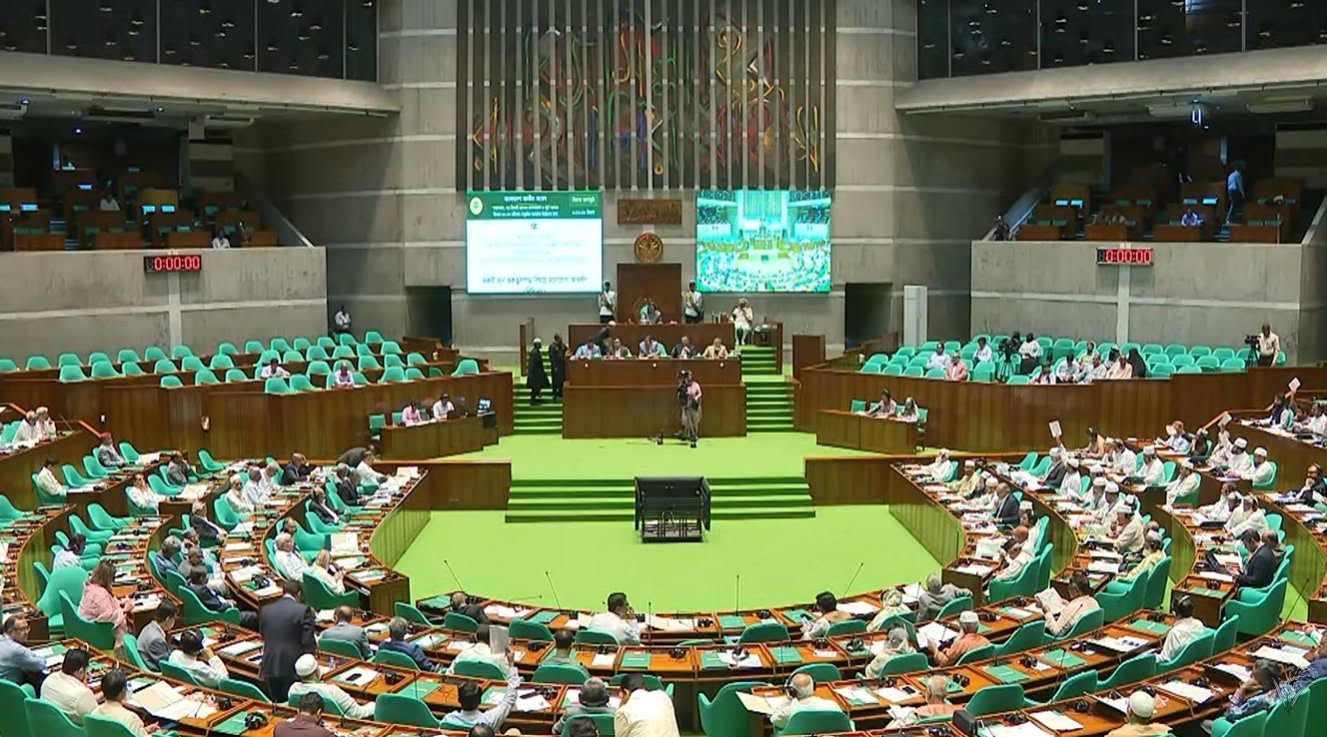
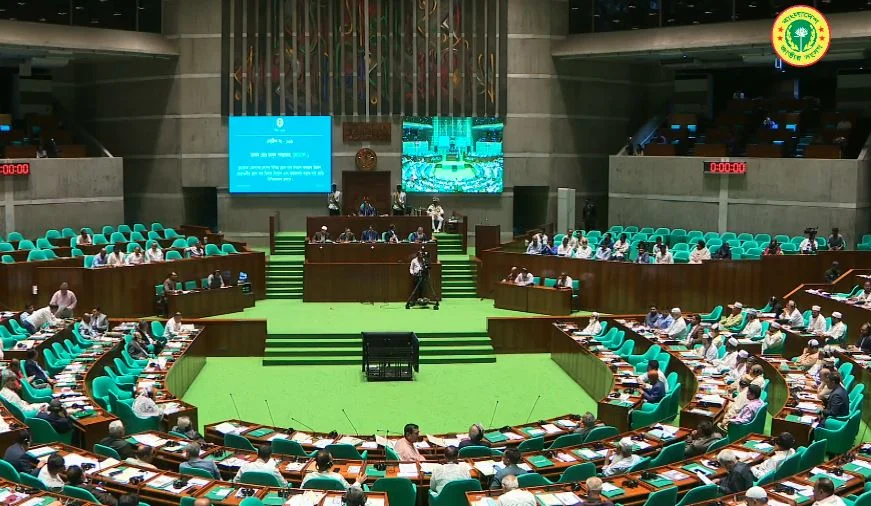
SANGSAD BHABAN, June 30, 2026 (BSS) – The Gambling Prevention Bill, 2026 was passed in the parliament here today, aiming to tighten controls on the spread of online gambling, digital betting platforms and match-fixing activities with introducing provisions for imprisonment and financial penalties for a range of gambling-related offences.
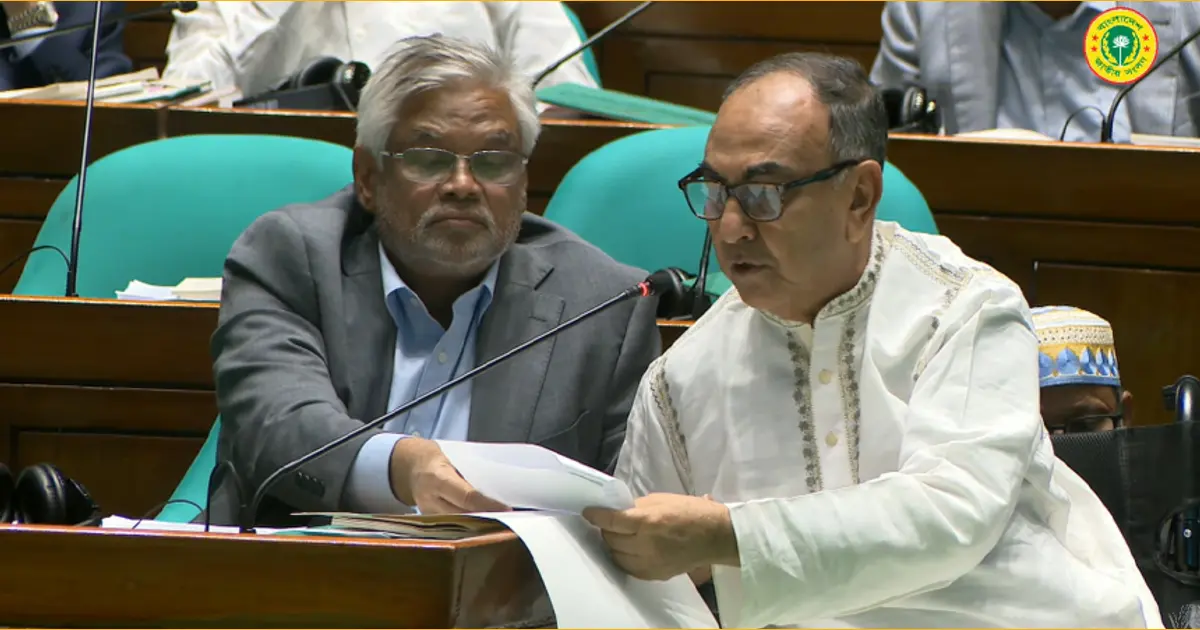
Home Minister Salahuddin Ahmed moved the bill, which was unanimously passed by voice vote in the House with Speaker Hafiz Uddin Ahmad, Bir-Bikram, in the chair.
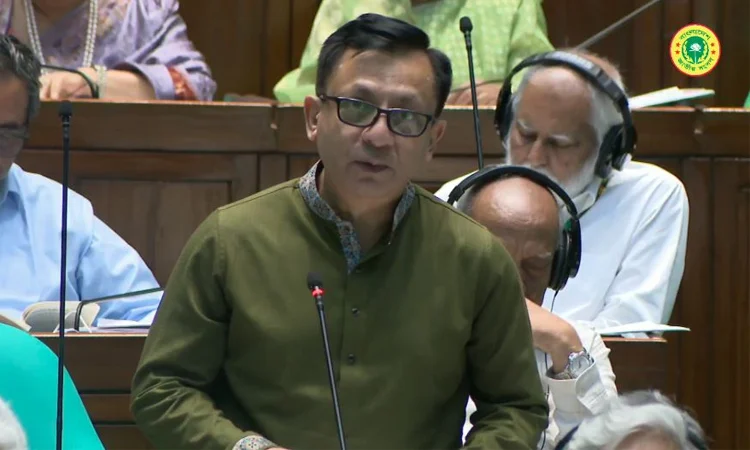
Before passage of the bill, opposition Bangladesh Jamaat-e Islami lawmakers Shahjahan Chowdhury, M Abdul Gafur, Zahirul Islam, Amir Hamza, Quamrul Hasan, Akhter Hossain and Independent lawmaker Sheikh Mujibur Rahman Iqbal urged the House to send the bill to the review committee to seek for public opinion, which was rejected by voice votes.
While placing the bill, the home minister said the proposed law is aimed at addressing the rapid expansion of technology-driven gambling activities, which have increasingly shifted from traditional venues to digital platforms accessible through smartphones, social media and online payment systems.
The legislation has been prepared to modernize and update the Public Gambling Act of 1867, a colonial-era law that the authorities claimed is no longer adequate to deal with contemporary forms of gambling.
The act has introduced legal definitions for several emerging concepts, including digital gambling platforms, online and remote gambling, betting and wagering, digital assets and wallets, totalizators, professional bookmakers, match-fixing and spot-fixing.
The government has argued that technological advancements have significantly transformed the gambling landscape, creating new risks for public order, social stability, mental health and financial security.
Law enforcement agencies and cybercrime investigators have repeatedly warned about the growing presence of online betting networks operating through foreign websites, social media platforms and messaging applications.
In recent years, authorities have carried out several operations targeting illegal betting syndicates allegedly involved in recruiting local users for international gambling platforms. Investigations have also identified the use of mobile financial services and digital payment channels in betting-related transactions.
Cybersecurity experts say many online gambling operators function across borders, making enforcement difficult under existing legal frameworks.
The law has separately defined and criminalized match-fixing and spot-fixing, reflecting growing concerns over the integrity of sporting events. Sports governance experts say illegal betting markets create incentives for manipulation of results, undermining public confidence in professional competitions.
According to the law, offenders may face fines, imprisonment or both, depending on the nature and severity of the offence. Detailed penalty structures will be finalized during the legislative review process.
“Online gambling is no longer merely a social issue; it has become a significant cybersecurity and financial crime concern. Many platforms collect sensitive user data and may also create avenues for money laundering. Effective implementation of the law will be crucial,” said the minister.
The Gambling Prevention Act, 2026 would mark a major overhaul of Bangladesh’s gambling regulations in more than a century, reflecting the government’s effort to address challenges posed by an increasingly digital gambling ecosystem.