Thursday
06 August, 2026
News Flash
News Flash

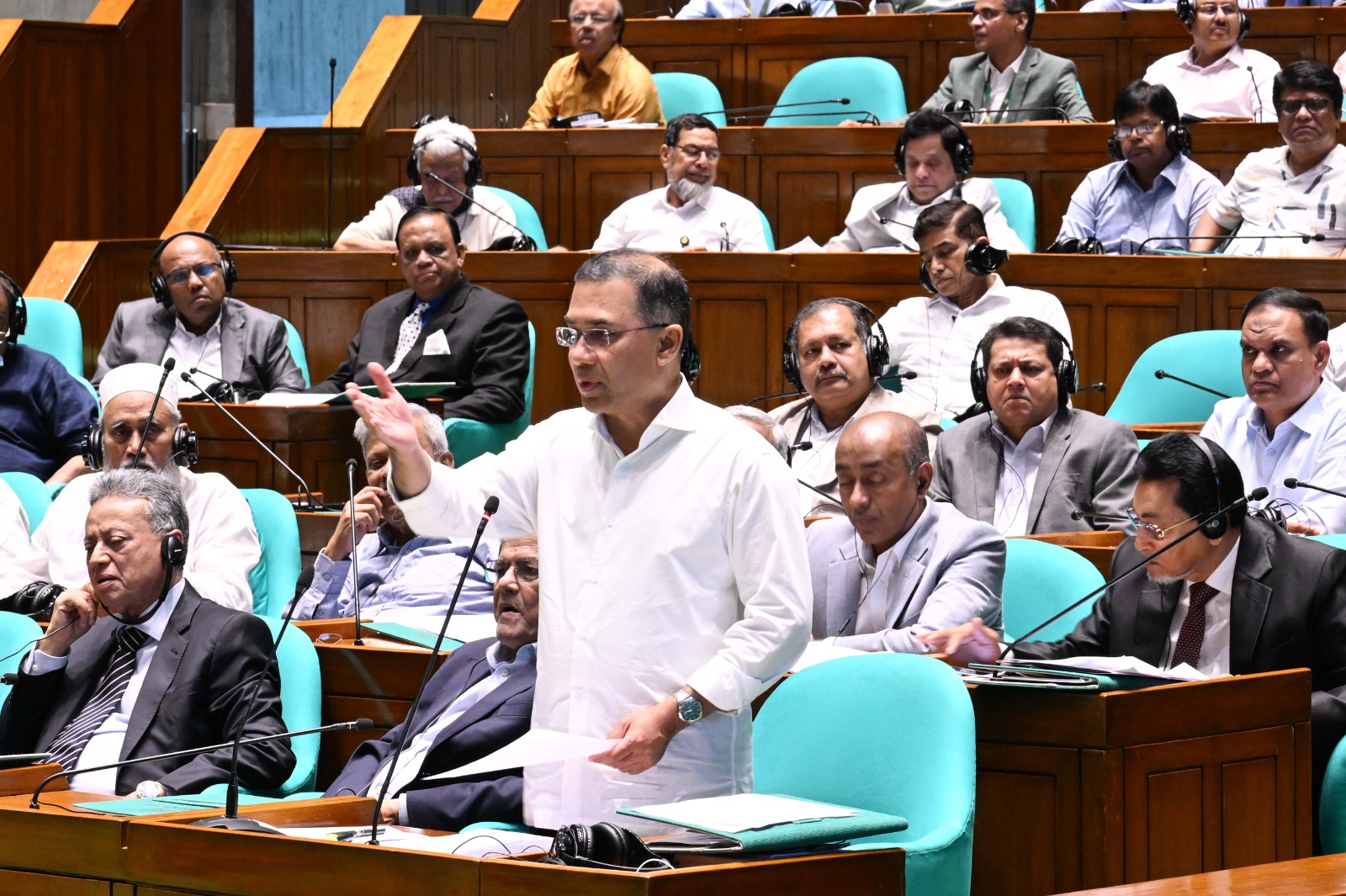
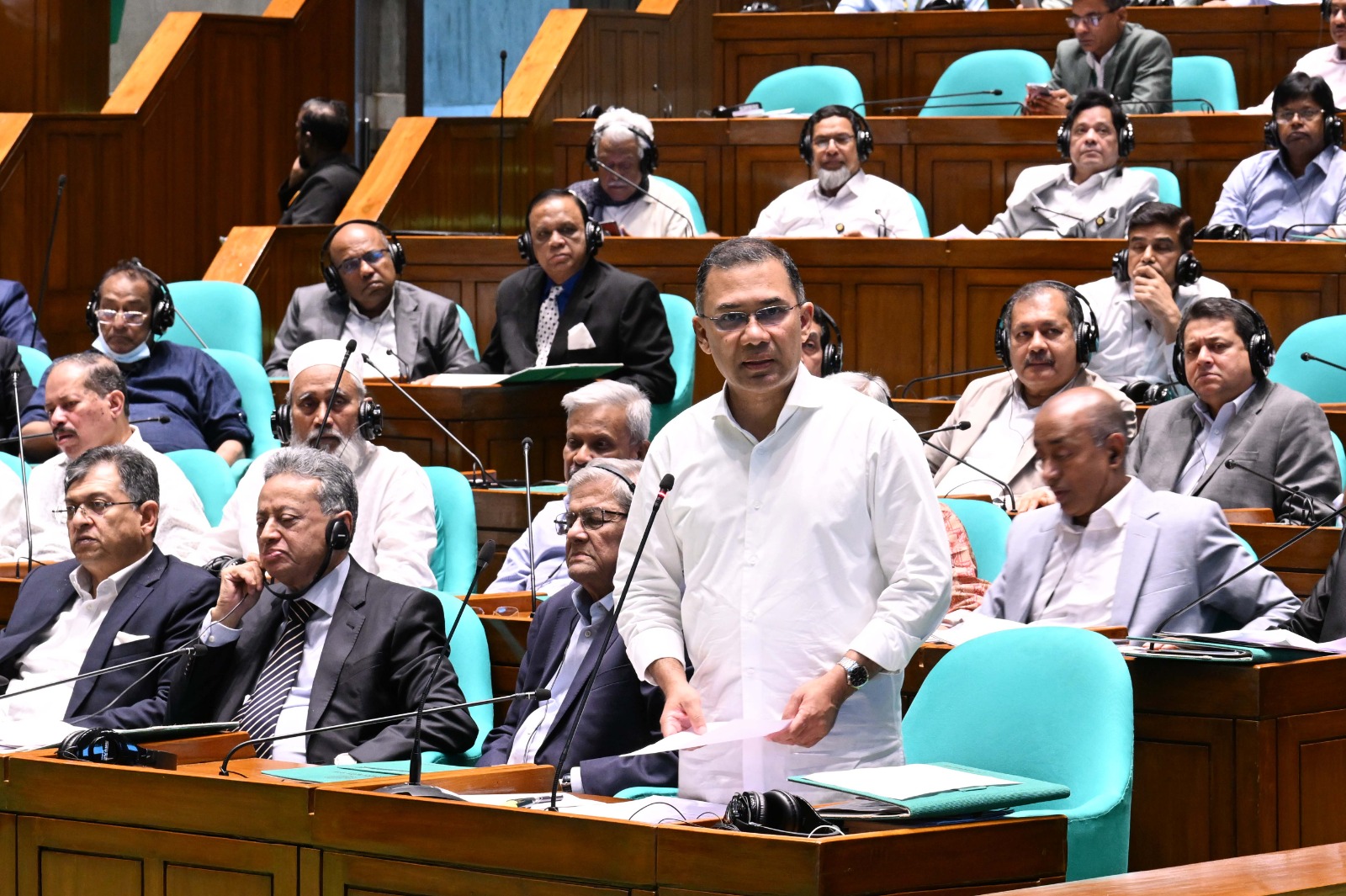
SANGSAD BHABAN, June 28, 2026 (BSS) - A bill seeking to amend the Bangladesh Medical University Act, 1998 was placed in Parliament today to facilitate the operation of the university's Super Specialised Hospital and empower the institution to establish and invest in companies to expand medical education, research and healthcare services.
Health Minister Sardar Md Sakhawat Husain placed the Bangladesh Medical University (2nd Amendment) Bill, 2026, which was subsequently sent to the relevant parliamentary scrutiny committee for detailed examination.
The committee has been asked to submit its report within the next three working days.
According to the statement of objects and reasons of the bill, Bangladesh Medical University was established under the Bangladesh Medical University Act, 1998 to promote higher education, research and advanced healthcare services in the country.
A Super Specialised Hospital was later established under the university, but despite the completion of its construction, it could not be fully commissioned due to the absence of adequate doctors and supporting staff as well as the lack of a clear operational framework.
To make the hospital functional, the university's Syndicate decided to operate it under the Companies Act, 1994, making it necessary to amend the existing law.
The proposed amendment also seeks to authorise the university to establish profit-making or non-profit companies or organisations and to acquire, hold and transfer shares in such entities for expanding its medical education, healthcare and research activities.
The bill aims to provide the university with explicit legal authority to establish and manage such companies while clarifying the Syndicate's powers, the scope of regulations governing these entities, provisions for incorporating income generated by them into the university's funds and conditions for investment from university funds.
According to the bill, establishing internationally standard specialised hospitals under this framework would enable the university to engage renowned local and foreign physicians, teachers and researchers on a contractual basis, facilitating the transfer of modern medical technology, knowledge and expertise.
The bill said that the government believes the initiative would strengthen residency, fellowship and other advanced medical training programmes, provide students with improved clinical exposure and help produce internationally competent doctors, researchers and healthcare professionals.
The bill also says that income generated from these companies could be reinvested in the university's healthcare, education and research activities, contributing to its overall academic excellence.