BSS
  28 Jun 2026, 18:44

Govt aims to build a tech-driven, joyful education system: Education Minister

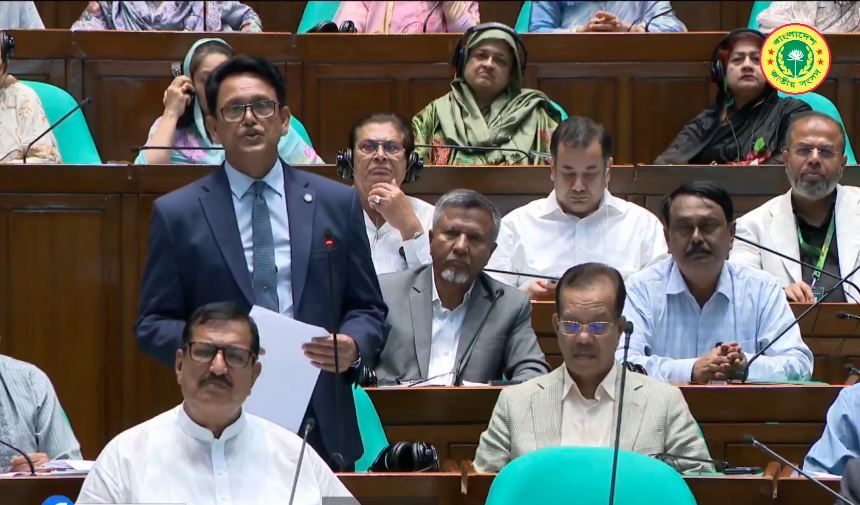
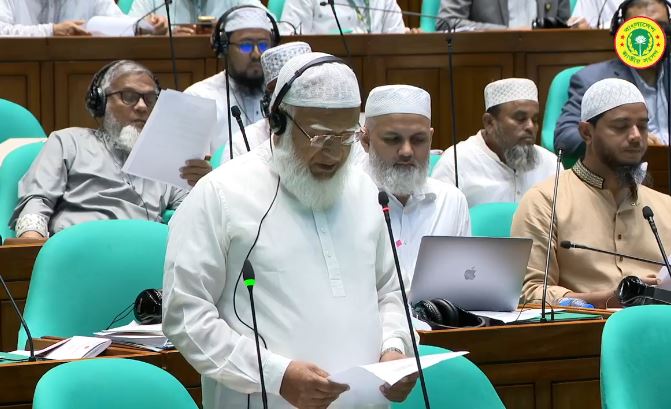
Photo:Video Screenshot

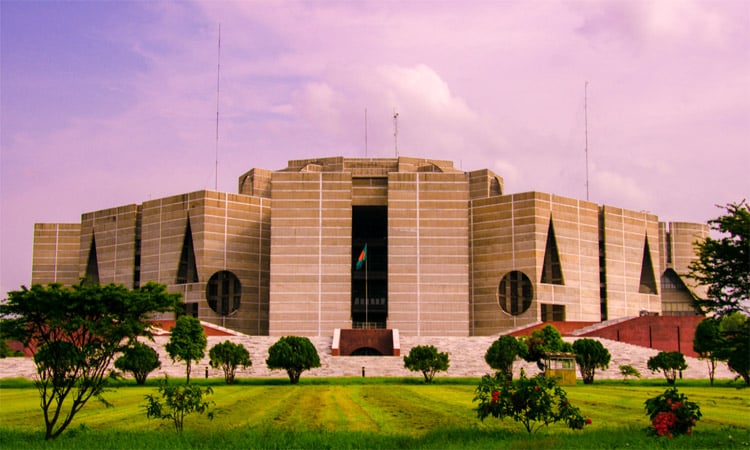
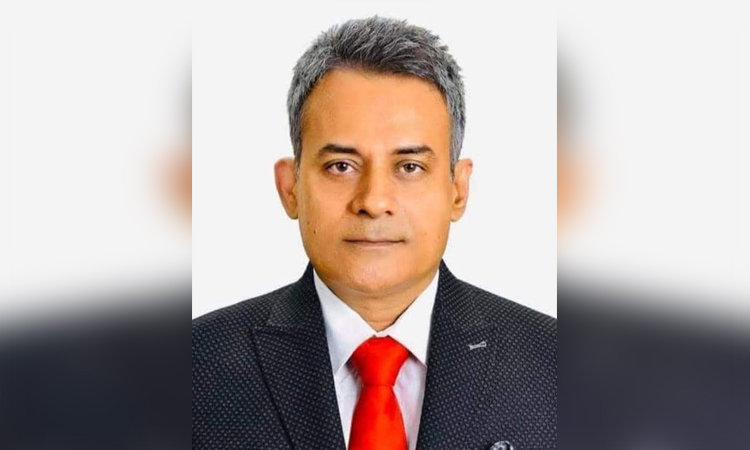
SANGSAD BHABAN, June 28, 2026 (BSS) - Education Minister Dr. ANM Ehsanul 
Hoque Milon today said the proposed national budget for FY2026-27 has 
attached the highest priority to the education sector, aiming to build a 
modern, technology-driven and inclusive education system to develop skilled, 
humane and digitally competent citizens.

Taking part in the general discussion on the proposed budget in the Jatiya 
Sangsad (JS), he said the government has announced one of the largest 
education budgets in the country's history to modernise education from 
primary to higher levels, accelerate digital transformation and ensure 
equitable access to quality education.

At the outset of his speech, the minister highlighted the dedication of 
Bamong Khiang Minglen, head teacher of Tindu Junior Secondary School in the 
remote Tindu area of Thanchi upazila in Bandarban.

He said the school, established in 2020, currently has 56 students. As most 
students come from poor families and are unable to pay tuition fees 
regularly, the head teacher has been operating an engine-powered boat to 
transport tourists and spending around Taka 30,000 from his earnings every 
month to support the salaries of the school's teachers and staff.

With Speaker Hafiz Uddin Ahmad, Bir-Bikram, in the chair, the minister said 
Prime Minister Tarique Rahman has taken note of the matter and has already 
directed the nationalisation of the school.

Milon said around two percent of the country's GDP has been allocated to the 
education sector in the proposed budget, the highest ever. A total of Taka 
1.36 lakh crore has been earmarked for education while additional allocations 
are being made through other ministries, he added. 

The Chittagong Hill Tracts Affairs Ministry has also allocated Taka 107.24 
crore for education development, the education minister continued.

He said the government's objective is not only to improve infrastructure but 
also to enhance the quality of education.

Milon said the Education Ministry is implementing the "One Teacher, One Tab" 
programme under which every teacher will receive a tablet device and 25,000 
multimedia classrooms will be established to facilitate digital teaching and 
enable regular monitoring of students' progress.

He said the government's "Learning with Happiness" initiative aims to shift 
education away from an examination-centric approach and create a more joyful 
learning environment. Under the programme, 30,000 teachers are being provided 
with specialised training, while another 20,000 multimedia classrooms are 
being set up at the secondary and higher secondary levels.

Milon said the government will conduct Geographic Information System (GIS) 
mapping of 50,000 educational institutions to identify social and 
geographical disparities and undertake targeted development initiatives. It 
has also planned to provide free Wi-Fi connectivity to 15,000 educational 
institutions, he added.

The government is introducing a Unique Education ID for every student, 
although he personally believes a permanent national identity number assigned 
at birth would eliminate the need for a separate education identification 
system, the minister said.

Highlighting environmental awareness, he said the "One Child, One Tree" 
programme will encourage every student to plant at least one tree annually.

He also said a Startup Innovation Showcase will be organised at the China 
Friendship Conference Centre to exhibit innovative projects developed by 
young students and entrepreneurs.

"The government is placing equal emphasis on co-curricular activities, 
including Olympiads, debates, Scouts, Bangladesh National Cadet Corps (BNCC) 
and Girls' Guide programmes. Preparations are underway to establish 24,000 
new BNCC units across the country from next year," he further said.

Referring to education assistance programmes, Milon said BNP Chairperson 
Begum Khaleda Zia had introduced the Food for Education programme at the 
primary level and later stipend schemes. Building on that legacy, Prime 
Minister Tarique Rahman has announced plans to extend stipend facilities up 
to the undergraduate level, he added.

On higher education and employment, the minister said several memorandums of 
understanding (MoUs) in the education sector were signed during the Prime 
Minister's recent visit to China. 

He said the government is placing the highest priority on Technical and 
Vocational Education and Training (TVET) to transform the country's large 
workforce into skilled human resources.

He said initiatives have also been taken to integrate sports, culture, family 
values, ethics, religious education and technology into primary education, 
while debate, technical and vocational education will receive greater 
emphasis from Class VI.

The minister said non-formal education programmes for out-of-school children 
are being expanded. The government also plans to provide school uniforms, 
shoes, socks and bags to students of all government primary schools and 
gradually introduce a nationwide mid-day meal programme to address child 
malnutrition, he added.
Milon said temporary complications had arisen over the payment of salaries to 
nearly 17,000 madrasa teachers recruited by the previous government due to 
the absence of budgetary allocations. However, the finance minister has 
already allocated Taka 100 crore, with the remaining funds expected to be 
released in July.

He also said many teachers who retired since 2022 have yet to receive their 
retirement and welfare trust benefits. To resolve the issue, the finance 
minister has initiated an allocation of Taka 2,000 crore.

The education minister expressed optimism that implementation of the proposed 
education budget would usher in a new era in Bangladesh's education system by 
ensuring equal opportunities for every child to develop their talents, 
acquire skills and uphold moral values.