News Flash

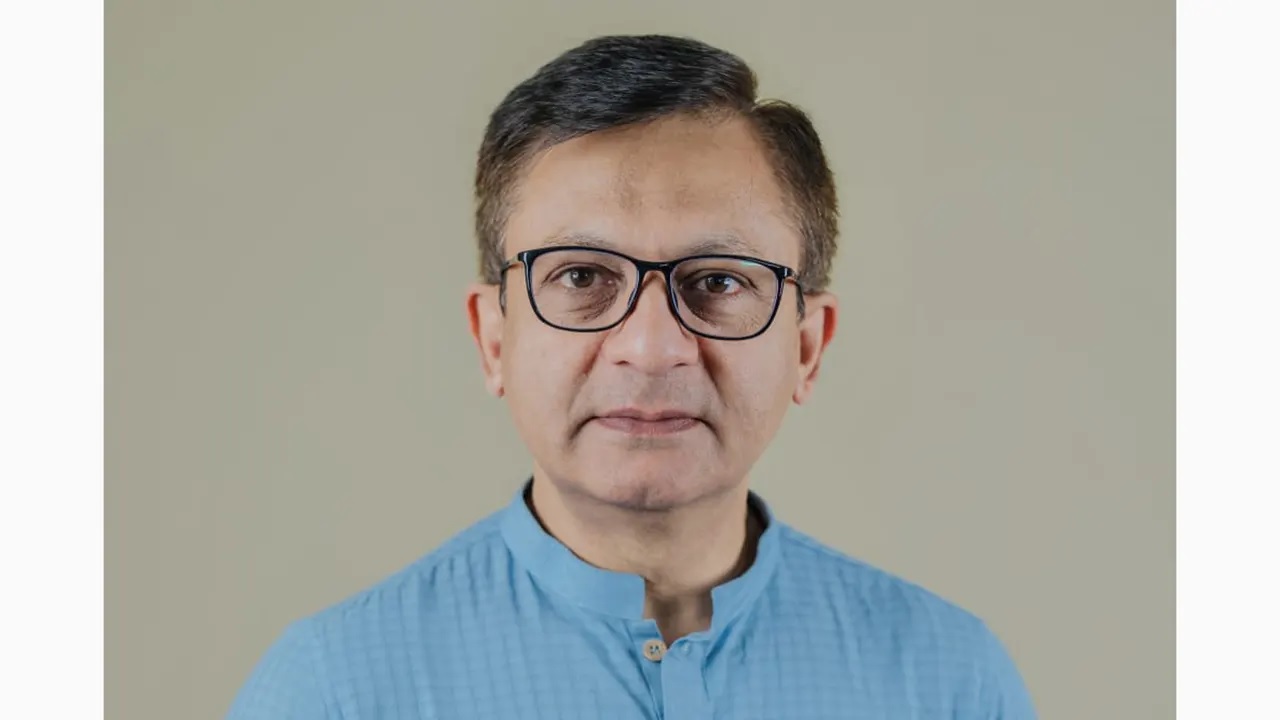
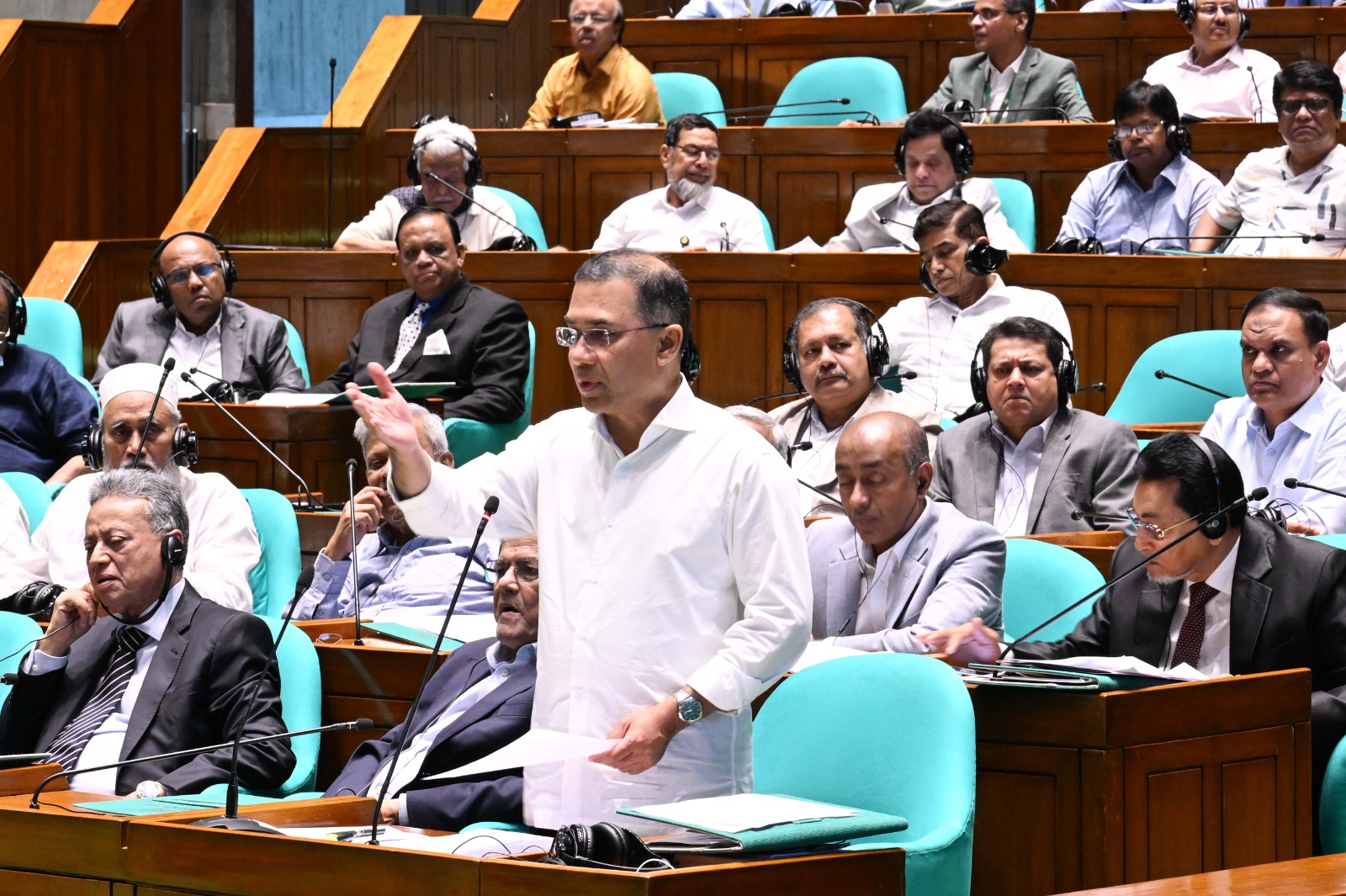
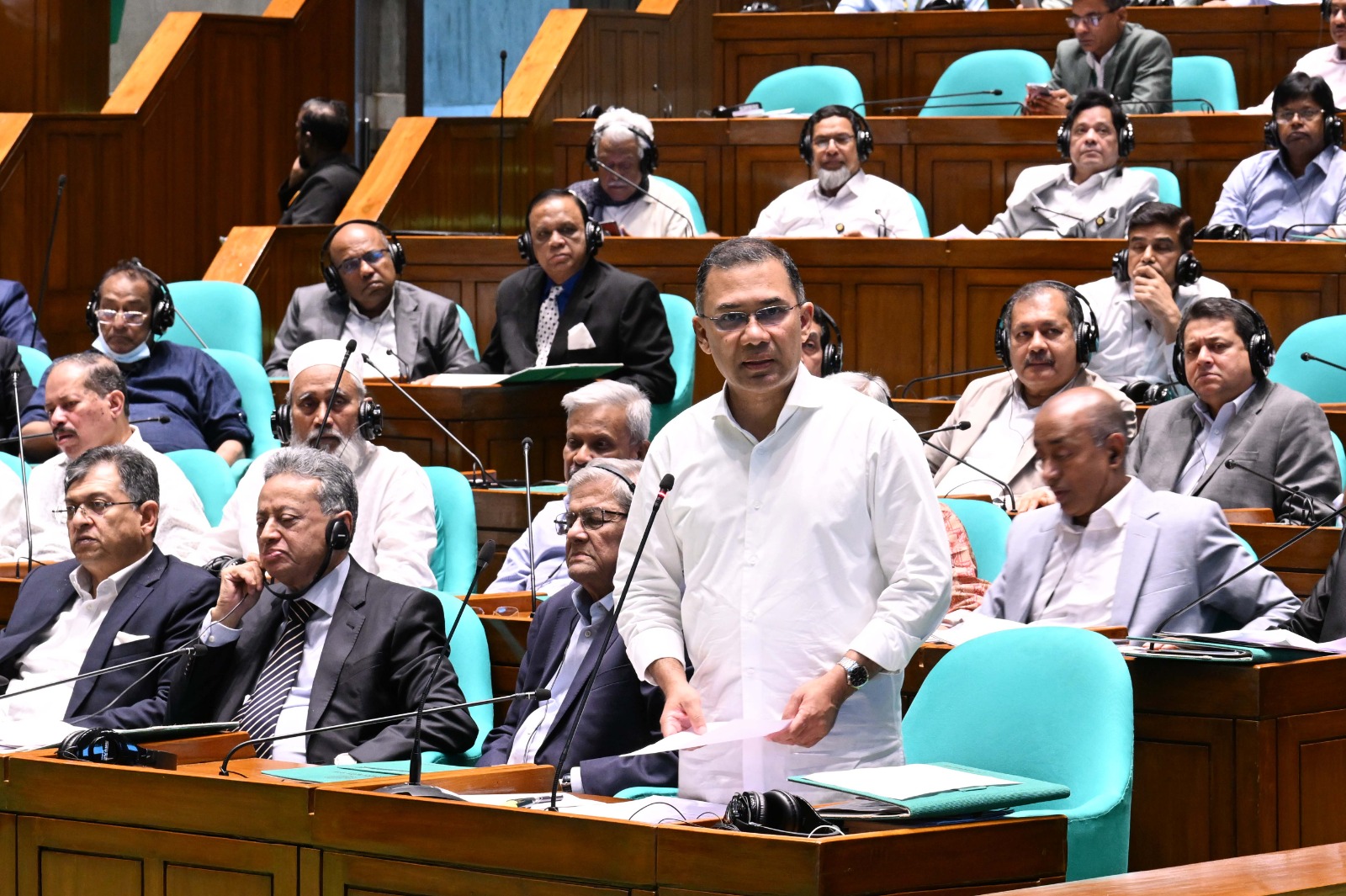
SANGSAD BHABAN, June 23, 2026 (BSS) - Commerce Minister Khandakar Abdul Muktadir today said in Jatiya Sangsad that Bangladesh remains heavily dependent on the ready-made garment (RMG) sector, which accounts for about 84 per cent of the country's export earnings, and the government has undertaken a series of measures to maintain its position in the global market and explore new export destinations.
The minister disclosed the information while responding to a tabled question from ruling party lawmaker from reserved women seat Nilufar Chowdhury Moni regarding the performance of the country's apparel sector and the government's initiatives to strengthen export competitiveness.
According to the minister, Bangladesh's RMG exports stood at $31,456.73 million in fiscal year (FY) 2020-21, rising sharply to $42,614.43 million in FY2021-22. Exports later declined to $38,142.10 million in FY2022-23 and $36,151.31 million in FY2023-24 before recovering to $39,346.97 million in FY2024-25.
To help sustain the sector's competitiveness, the government is providing a range of incentives, including a 1.5 per cent alternative cash assistance for export-oriented domestic textile industries in place of bonded warehouse and duty drawback facilities.
An additional 0.5 per cent special incentive is being offered to textile exporters targeting the European market, while small and medium-sized enterprises in the knitwear, woven garment and sweater subsectors receive an extra 3 per cent support.
Muktadir said the government is also continuing a special cash incentive of 0.3 per cent for the RMG sector.
The minister noted that Bangladesh's upcoming graduation from the least developed country (LDC) category could result in the loss of preferential market access under various international trading schemes, potentially affecting exports worth around $17.5 billion.
To address the challenges, Bangladesh has already concluded an Economic Partnership Agreement (EPA) with Japan, while negotiations for a Comprehensive Economic Partnership Agreement (CEPA) with South Korea are ongoing.
He said initiatives have also been taken to pursue EPA, CEPA and Free Trade Agreement (FTA) arrangements with the European Union, the Regional Comprehensive Economic Partnership (RCEP), the United Arab Emirates, Singapore, Indonesia, China and other promising export destinations.
The government is further focusing on export market diversification by participating regularly in international trade fairs in Brazil, the Middle East, Japan, Canada, Australia, CIS countries and several African nations, he added.
He said measures are also being implemented to remove tariff and non-tariff barriers through bilateral trade agreements, strengthen economic diplomacy through Bangladesh missions abroad, and expand branding activities for Bangladeshi products.
Among other support measures are bonded warehouse facilities against bank guarantees, duty drawback facilities, back-to-back letter of credit arrangements, incentives available in export processing zones, tax holidays, and encouragement of foreign investment through commercial benefits and duty-free market access.
Regarding the creation of new export markets for Bangladeshi garments, the minister said a 2 per cent cash incentive remains in place for exports to new markets outside the United States, Europe and Canada.
Bangladesh missions abroad have been instructed to intensify efforts to explore opportunities in Asian markets, including Japan, India, South Korea and China, as well as in Africa and Latin America.
Muktadir said the Export Promotion Bureau (EPB) is also working to diversify export destinations by facilitating participation in 35 to 40 international sourcing-focused trade fairs annually.
For FY2025-26, participation in 46 fairs covering eight sectors has been planned.
He said priority is being given to markets in Latin America, Africa, Central Asia, the Middle East and Europe.
The EPB is also set to organise a sourcing exhibition titled "Global Sourcing Expo" during FY2025-26, alongside specialised single-product fairs aimed at broadening Bangladesh's export basket and market reach.
The minister said Bangladesh's overseas missions and commercial wings are playing an increasingly important role in promoting exports, expanding market access and enhancing the global branding of Bangladeshi products.