News Flash

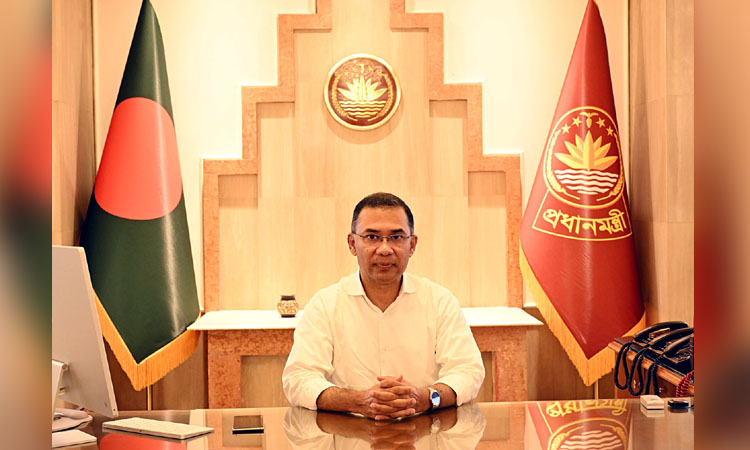
SANGSAD BHABAN, June 17, 2026 (BSS) – Prime Minister Tarique Rahman today expressed the hope that the measures taken by his government will increase the tax-to-GDP ratio by 2 percent within one year and up to 10 percent within five years.
“I hope, through the implementation of all the plans (undertaken to increase the tax-to-GDP ratio), it will be possible to increase the tax-GDP ratio to two percent within 1 year and to 10 percent within five years,” he said.
“Moreover, various initiatives have been taken to increase the tax-to-GDP ratio to 15 percent by 2035. The initiatives included implementation of the Strengthening Domestic Revenue Mobilization Project, gradual rationalisation of tax exemptions, etc,” the Prime Minister added.
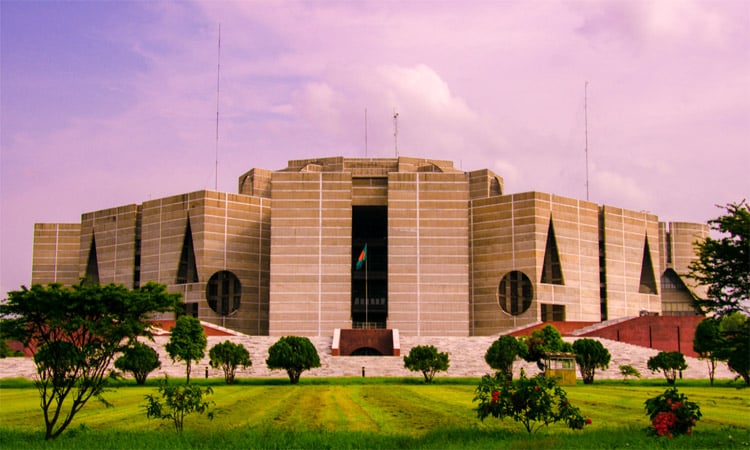
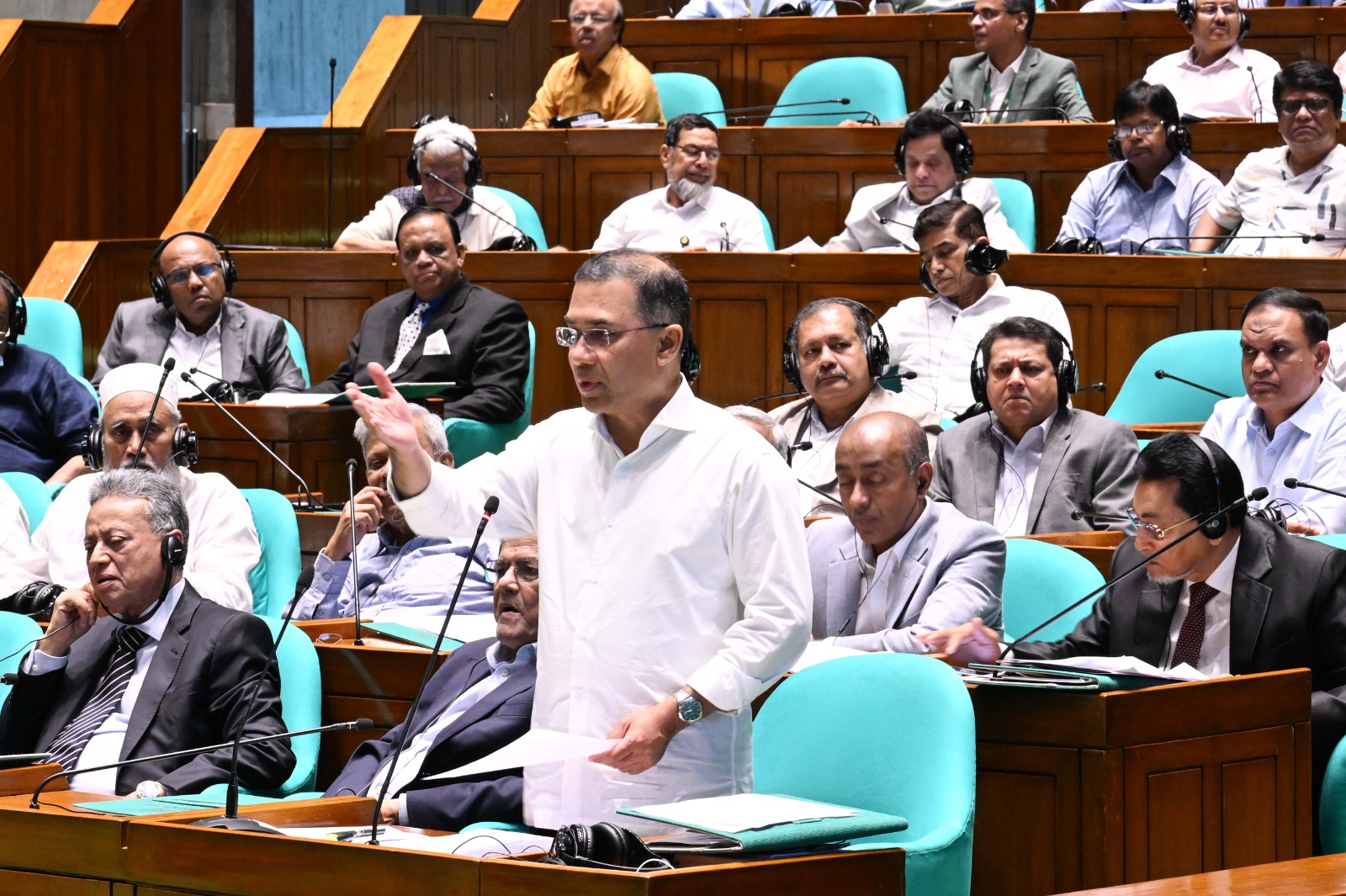
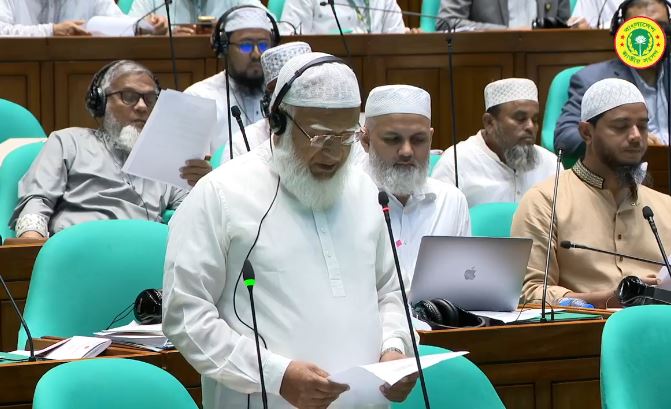
The premier said this while replying to a starred tabled question from treasury bench lawmaker from Munshiganj-1 constituency Md Abdullah in the Jatiya Sangsad (JS) here this afternoon with Speaker Hafiz Uddin Ahmad, Bir Bikram, in the chair.
Highlighting the government’s measures taken to increase the tax-to-GDP ratio, the Prime Minister said the National Board of Revenue (NBR) has already adopted a Medium and Long-Term Revenue Strategy (MLTRS) in this regard.
He said activities aimed at increasing tax-to-GDP ratio include undertaking end-to-end digitalization activities of the tax department, expansion of online tax deduction management at source, reducing revenue expenditure by reducing unnecessary tax exemptions and waivers, simplification of tax laws, analyzing data collected from various institutions and determining tax risks and strengthening risk-based audit and investigation activities using average indicators based on various industry sectors.
The premier said the measures also include enriching the taxpayer database, adopting AI-based online service activities for taxpayers, undertaking activities to increase awareness of compliance with tax laws and taking effective legal action against tax evasion.
Besides, the government has also taken short and long term plans, including formulation and implementation of the Tax Expenditure Policy and Management Framework 2026 to reduce tax expenditure as much as possible, enhancing additional revenue collection activities from post clearance audit, litigation and arrears, auctions, encashment of bank guarantees, outstanding invoices, deferred payments etc., and implementing the National Tariff Policy 2023 and the Customs Strategic Plan 2024-2028 in phases, he added.