BSS
  15 Jun 2026, 17:35

Govt taking steps to boost jute exports although challenges remain: Minister 

Textiles and Jute Minister Khandakar Abdul Muktadir. File photo

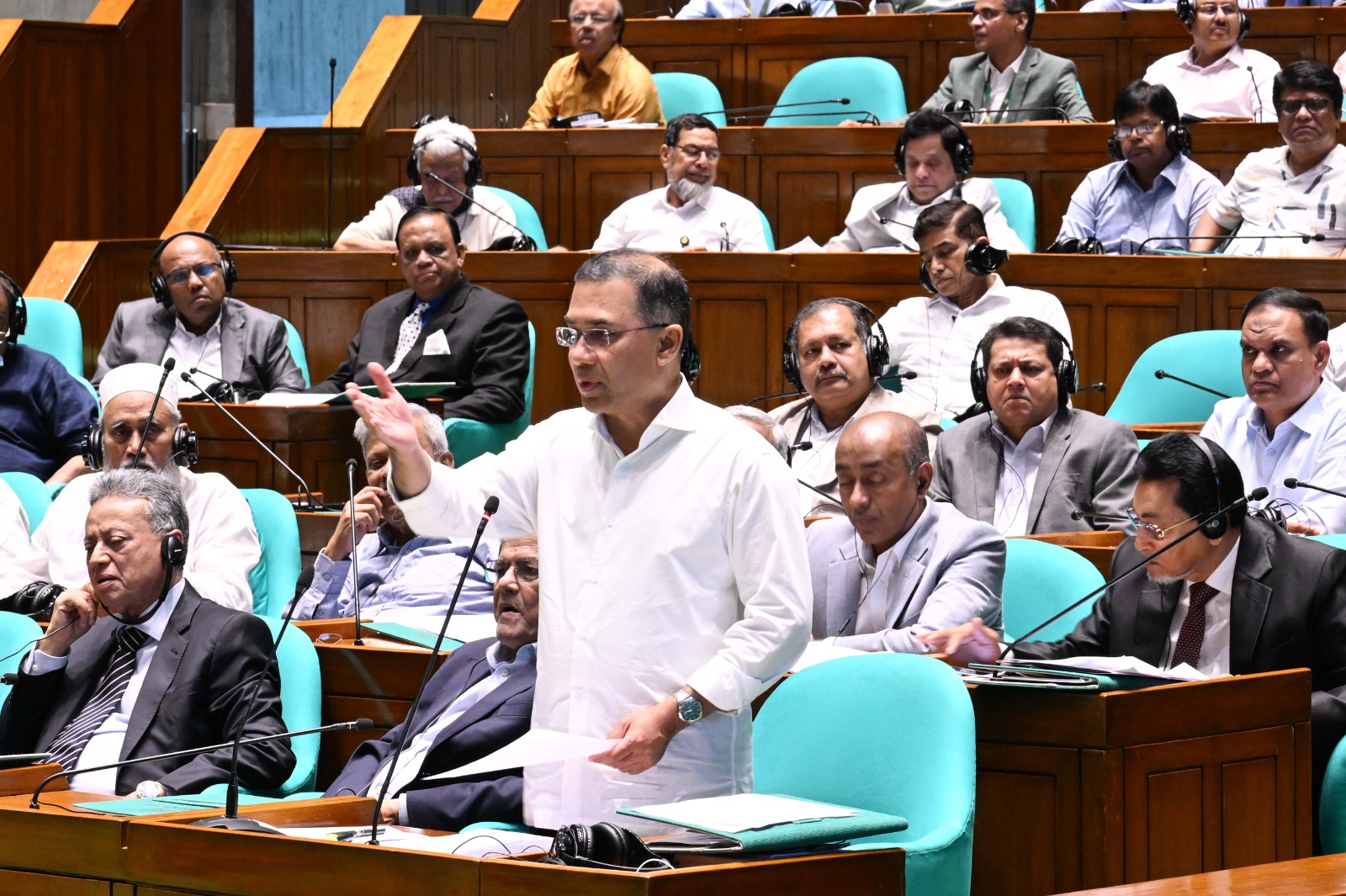
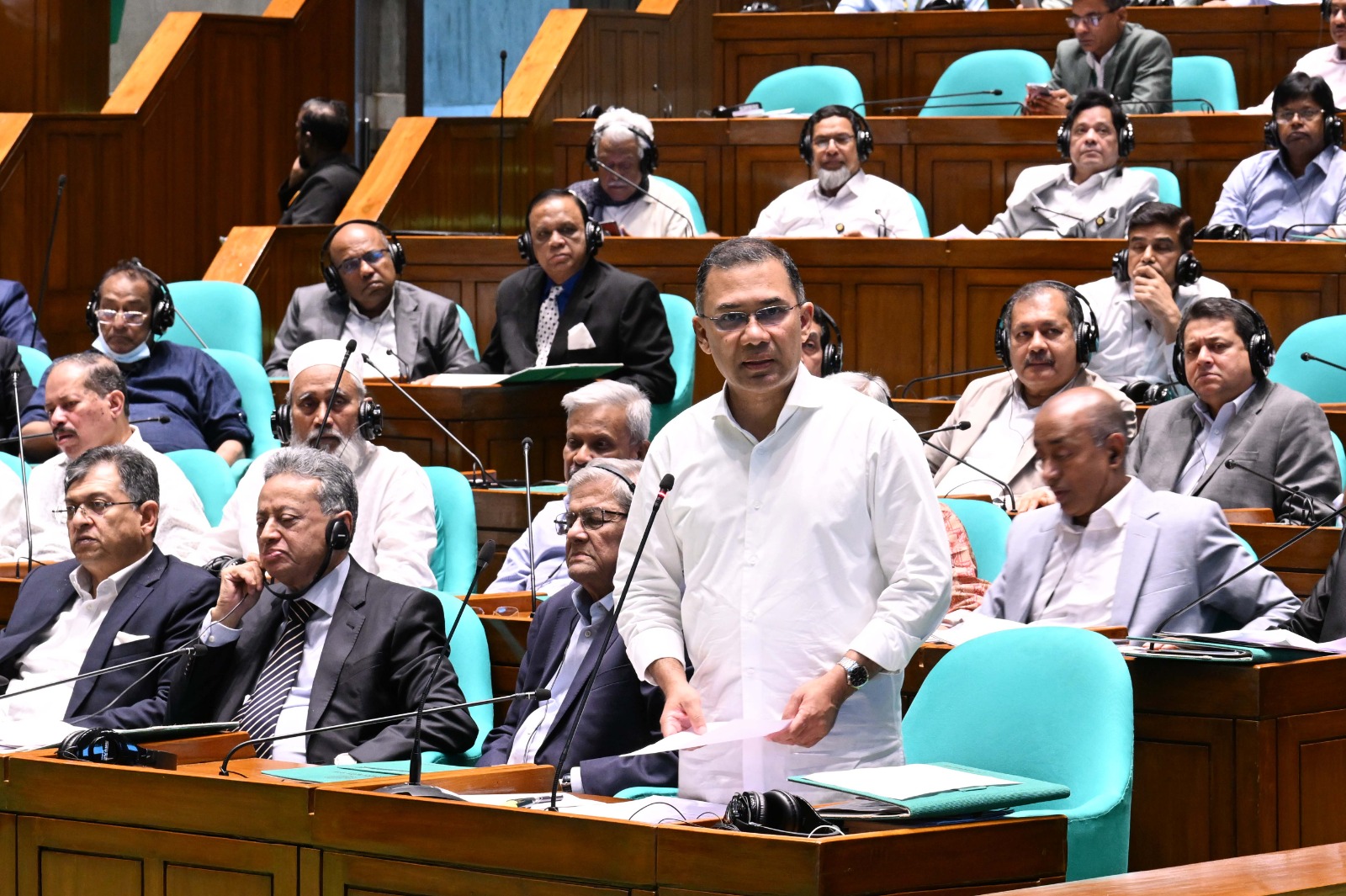
SANGSAD BHABAN, June 15, 2026 (BSS) - Textiles and Jute Minister Khandakar Abdul Muktadir today said in the Jatiya Sangsad (JS) that Bangladesh's jute 
sector holds significant export potential, but several challenges continue to hinder the expansion of world-class jute products in international markets.

Replying to a tabled scripted question from ruling party lawmaker Selina Sultana (women seat-35) in the House, he outlined a number of obstacles 
facing the country's jute export industry and highlighted the government's initiatives to address them.

"The global availability and increasing use of low-cost synthetic fibres have created a major challenge for jute products in the international market," he 
said.

With Speaker Hafiz Uddin Ahmad, Bir Bikram, in the chair, the minister noted that volatility in the raw jute market often raises production costs, while 
anti-dumping duties imposed in some foreign markets place Bangladeshiexporters at a competitive disadvantage.

He said the country's jute exports remain heavily concentrated in traditional products such as twine, sacks and hessian, while the production and export of 
high-value diversified jute products have yet to reach their full potential.

"Many jute mills are struggling to remain competitive in international markets due to outdated technology and machinery," he added.

Khandakar Abdul Muktadir further said exporters also face difficulties because Bangladesh still lacks internationally accredited laboratory testing 
facilities for jute and jute products.

"We are also lagging behind in exploring new export destinations and branding Bangladeshi jute products globally," he continued.

The government has undertaken a series of measures to overcome these challenges and strengthen the sector's export performance, the minister said, 
adding, "To stabilize the domestic raw jute market, the government has suspended raw jute exports, while the Department of Jute is conducting 
continuous market monitoring at the field level."

He said efforts are underway to establish internationally recognized jute testing laboratories and certification facilities through the Department of 
Jute, the Bangladesh Jute Research Institute (BJRI), and the Bangladesh Council of Scientific and Industrial Research (BCSIR).
The minister also noted that the government is providing cash incentives to jute exporters to encourage export growth.

"To enhance the production capacity of high-value diversified jute products, the government, through the Jute Diversification Promotion Center (JDPC), is 
providing training, marketing support and branding assistance to small-scale jute entrepreneurs," he said.

Highlighting progress in the modernization of the sector, Khandakar Abdul Muktadir said the government has encouraged private-sector investment in 
advanced jute manufacturing by leasing out former state-owned mills.

"Of the 25 state-owned jute mills under the Bangladesh Jute Mills Corporation (BJMC) that were closed in 2020, nine have already resumed operations under 
private management," he added.

The minister expressed optimism that these initiatives would help improve the competitiveness of Bangladeshi jute products and expand the country's 
presence in global markets.