News Flash

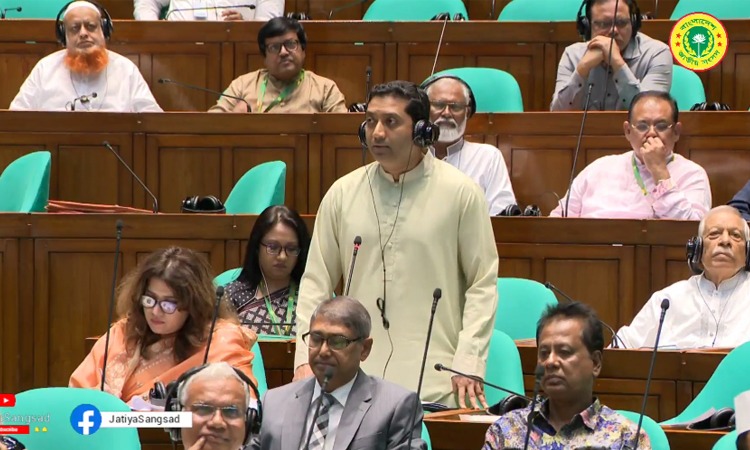
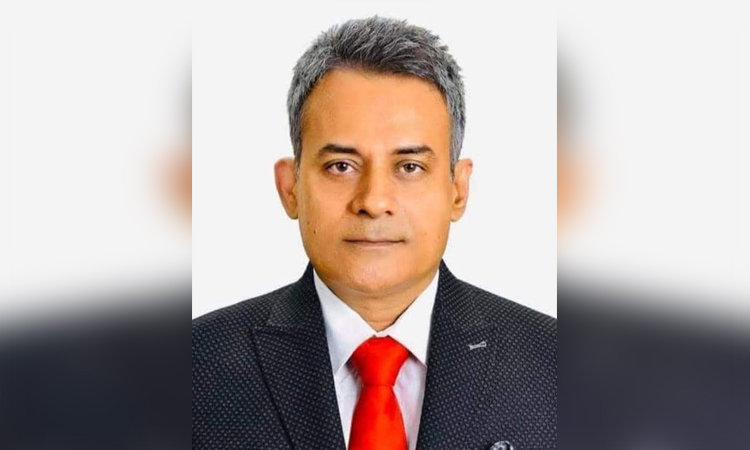
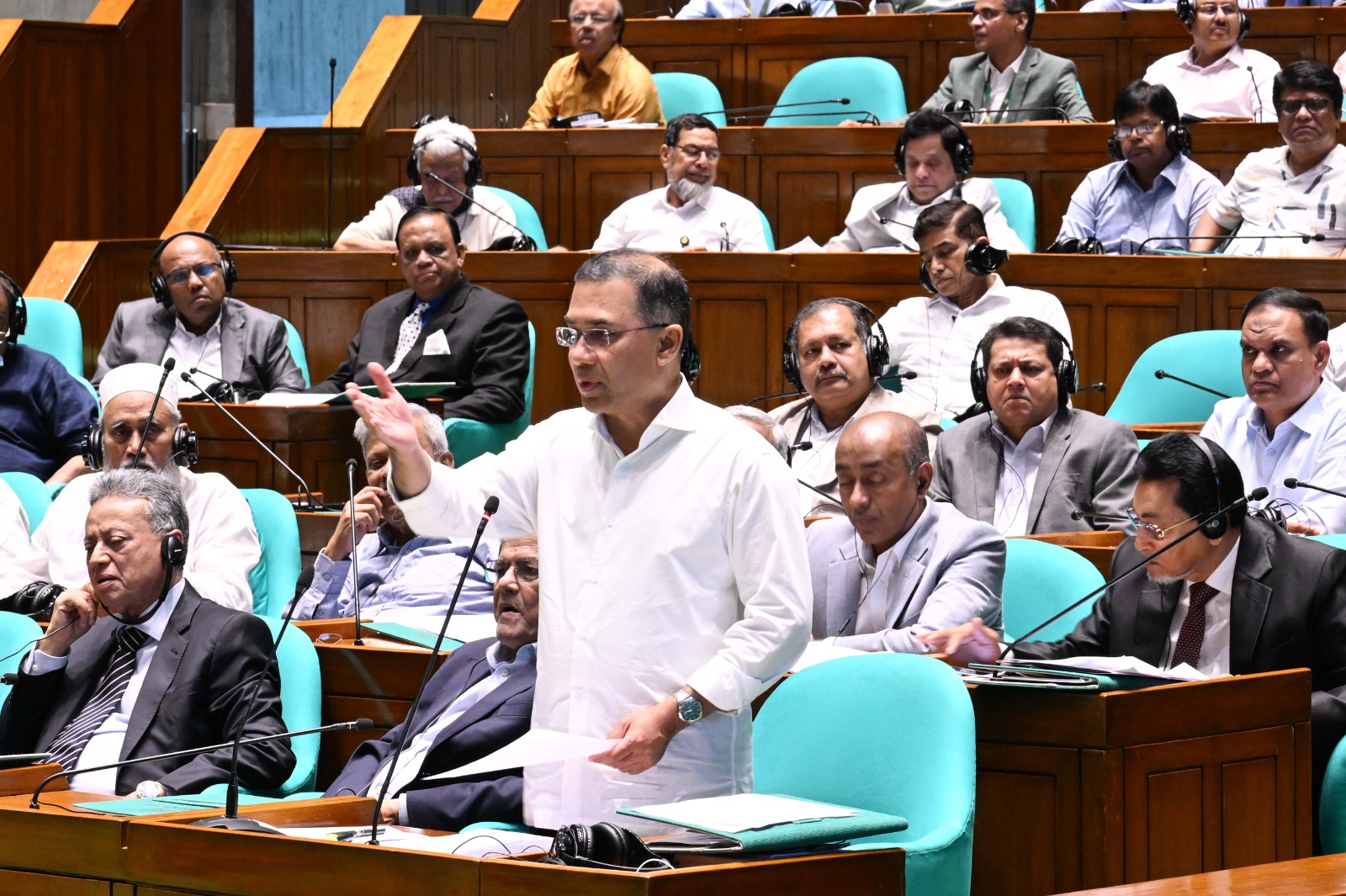
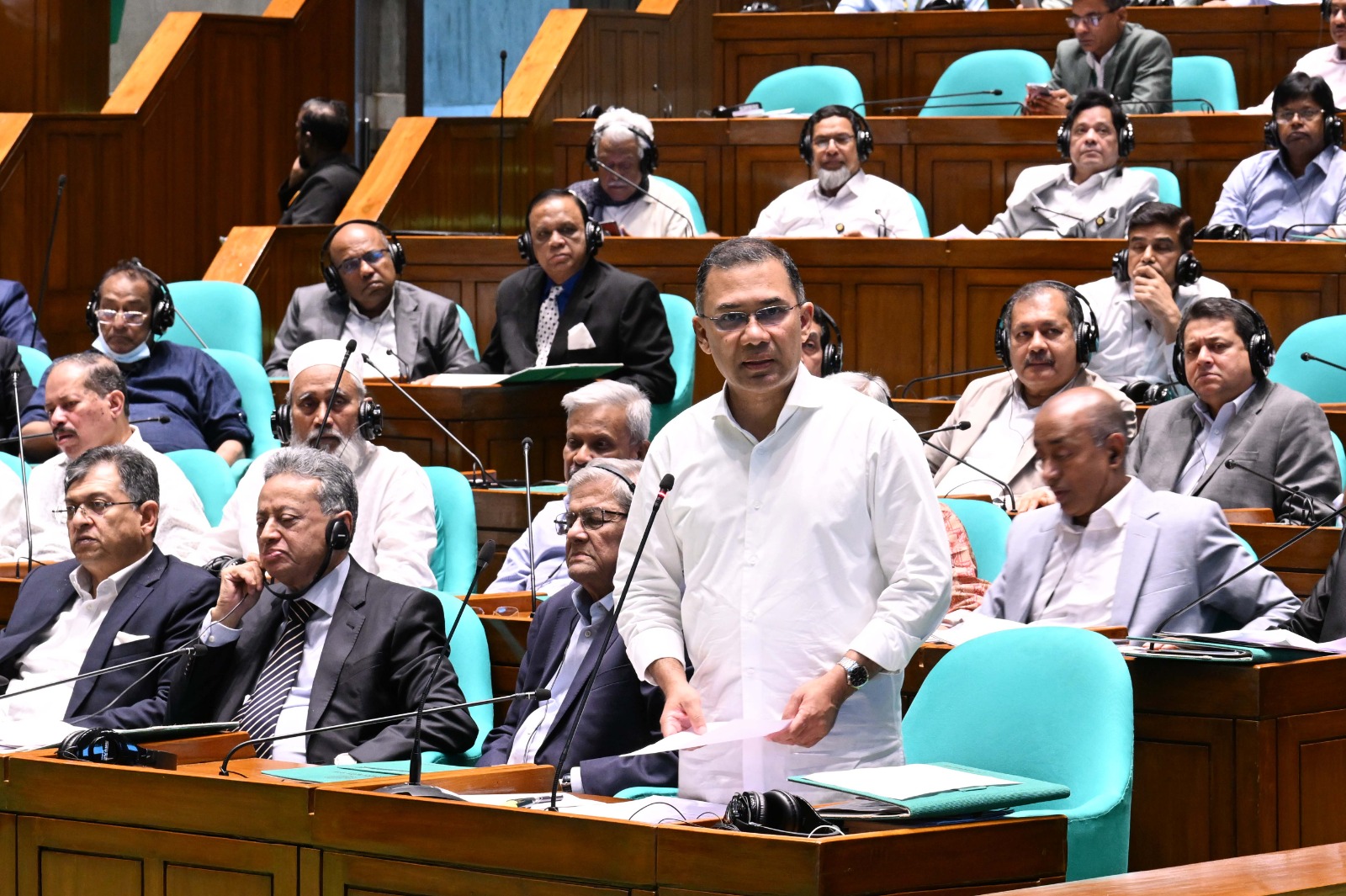
SANGSAD BHABAN, June 14, 2026 (BSS) - State Minister for Primary and Mass
Education Bobby Hajjaj today said the government's proposed budget for FY27
is a budget for building the Bangladesh of the future, with one of the
highest-ever allocations earmarked for the education sector to ensure long-
term national development and strengthen the country's human resources.
Taking part in the general discussion on the Supplementary Budget for FY2025-
26 in Parliament today, he said the government firmly believes that education
is the most effective and impactful area for investment.
"That's why the national budget has received the highest priority to the
education sector," the state minister said, adding that while public
expenditure on education sector remained between 1.3 and 1.4 percent of GDP
in the past, the current budget has increased it to 2 percent, with a long-
term goal of raising it to 5 percent.
With Deputy Speaker Barrister Kayser Kamal in the chair, the state minister
said primary education forms the foundation of a nation and that weaknesses
at the primary level inevitably affect higher education and future employment
opportunities.
He said the government is placing special emphasis on curriculum development,
teacher training and quality enhancement, as well as administrative reforms
to strengthen primary education.
Referring to directives from the Prime Minister, Bobby Hajjaj said a
comprehensive reform programme has been undertaken to make primary education
more modern, relevant and internationally competitive.
He noted that the government's vision extends beyond textbook-based learning
and seeks to foster creativity, critical thinking and personality development
among students through greater engagement in sports, culture and the arts.
The state minister said initiatives have already been taken to expand sports
activities for students in grades four and five. Alongside football and
cricket, games such as basketball are being introduced into school
programmes.
At the same time, he said, cultural activities including performing arts,
expressive arts and fine arts are being incorporated into primary education
to ensure the holistic development of children.
"There is no alternative to sports and cultural education in building a
modern, humane and creative generation," he said, stressing the need for
constructive discussions rather than negative criticism regarding such
initiatives.
Bobby Hajjaj also said the budget places importance on enhancing people's
capabilities, expanding the economy's supply-side capacity, promoting the
creative economy and modernising industries and factories.
"The government believes that investment in people is the greatest investment
a nation can make. An educated, skilled and creative population is the
principal driving force behind sustainable national development," he added.
The state minister observed that Bangladesh's overall development could have
been faster and more sustainable had adequate emphasis been placed on
education over the past two decades.
However, he said, the present government is determined to bridge that gap and
elevate the country's education system to international standards.
Expressing optimism about the future, Bobby Hajjaj said investments in
education, sports and culture would help transform Bangladesh into a
knowledge-based, skilled and modern state over the next two decades.
"Criticism is natural in a democracy, but everyone must work together to
achieve the larger national goal of development and prosperity," he added.