News Flash

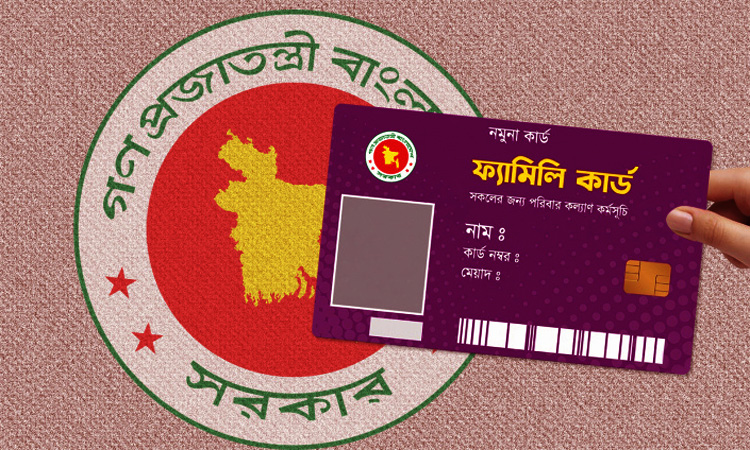
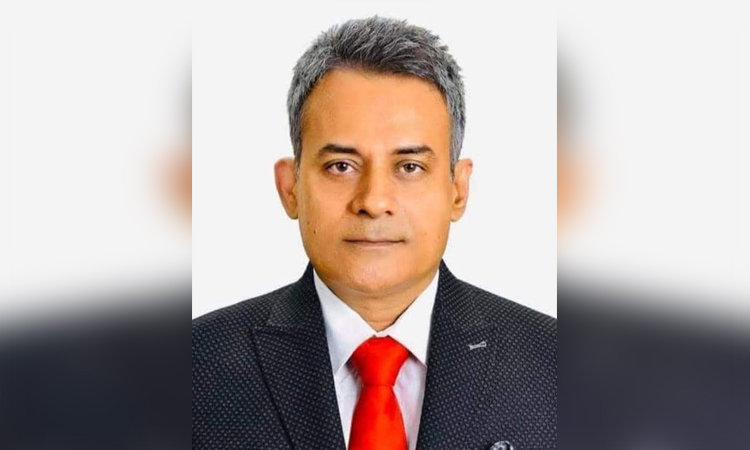
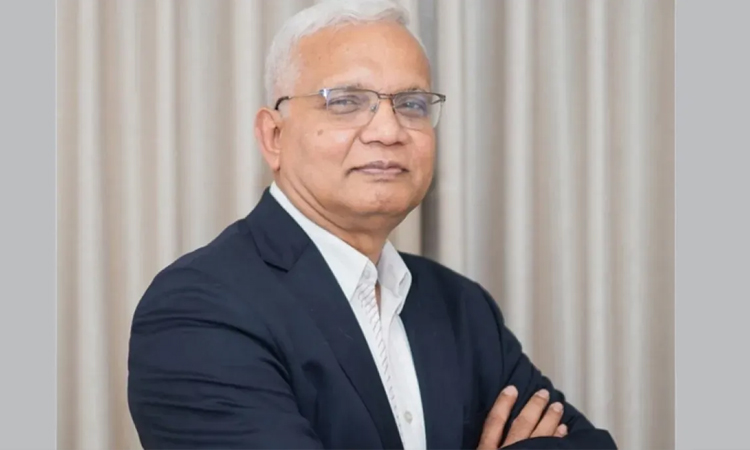
SANGSAD BHABAN, June 11, 2026 (BSS)- Finance Minister Amir Khosru Mahmud Chowdhury has proposed Taka 14,500 crore for Family Cards in the next fiscal year .
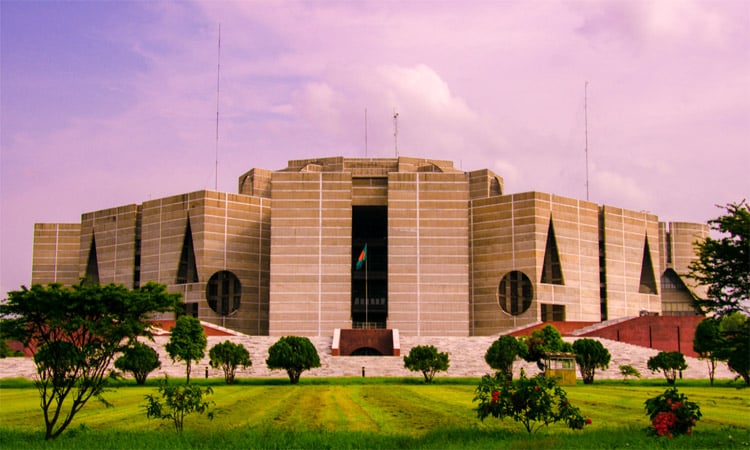
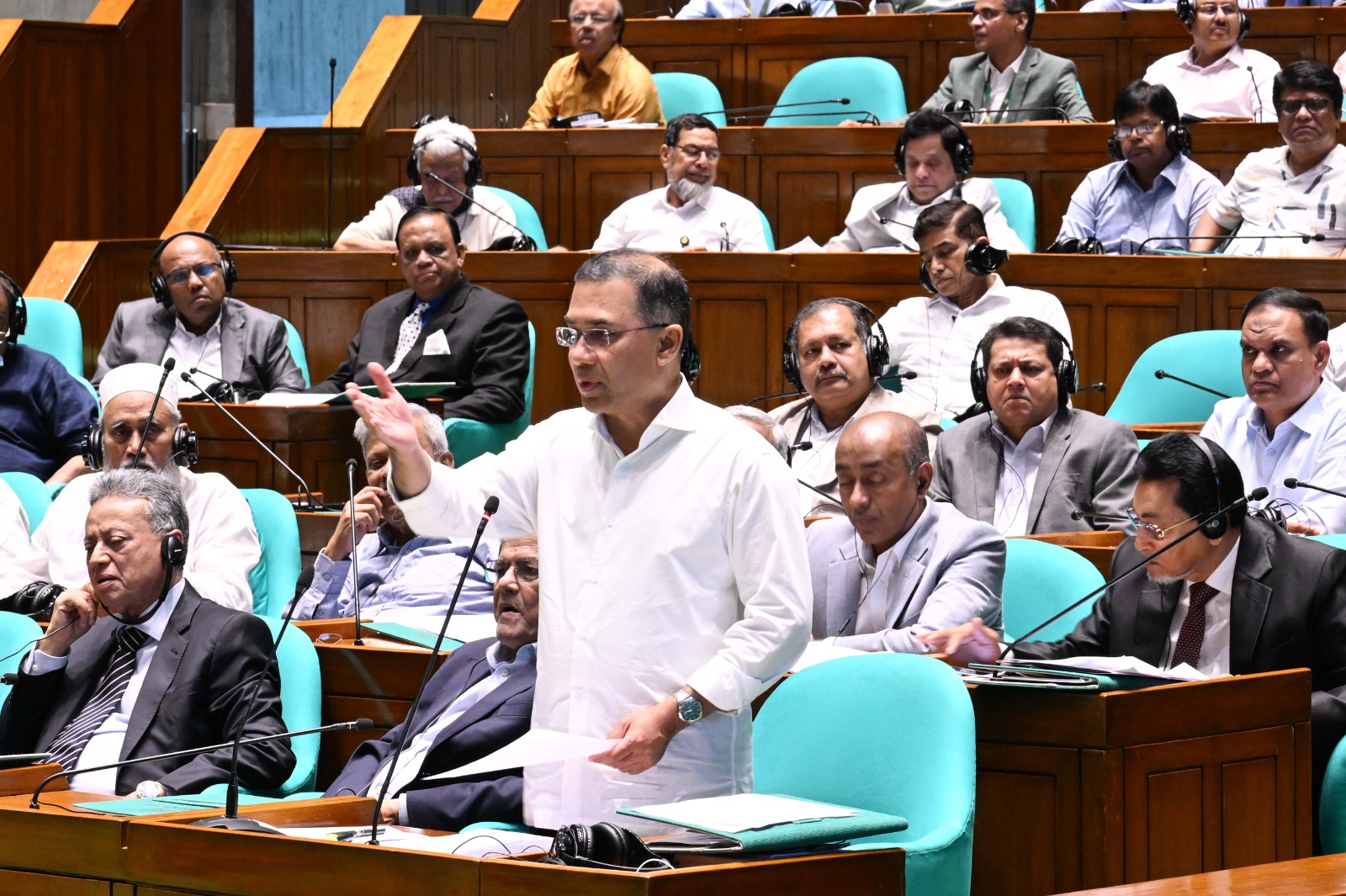
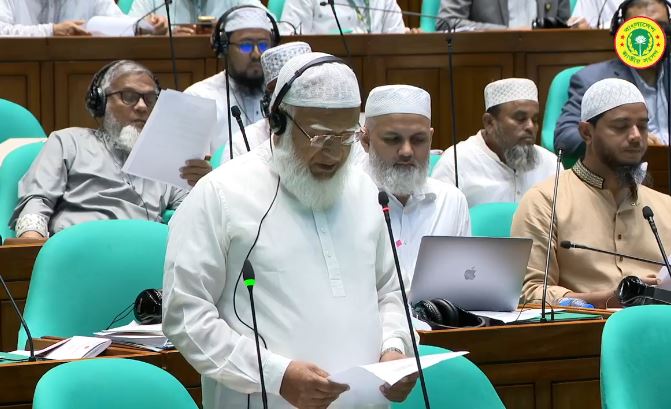
While presenting budget for fiscal year 2026-2027 in the Jatiya Sangsad today the minister said plan has undertaken to bring about 4.1 million women under the Family Card scheme.
“Through the Family Card scheme, we intend to progressively replace the allowance-based components of other social protection programmes, and by 2030, we aim to transform this card into a "Universal Social ID Card" for every citizen of Bangladesh,” he said.
Information relating to each household’s Family Tree is being incorporated into the Family Card database, he added.
Khosru said, 'Family Card scheme, a signature programme of the present government for ensuring social protection of the poor people, was inaugurated by Prime Minister Tarique Rahman within less than one month of the formation of the government.
He said its core philosophy is rooted in the principle that "The family, not the individual, is the fundamental unit of development."
By 2030, the Family Card Programme will be gradually expanded nationwide; he said adding that to promote women's empowerment the Family Card is being issued directly in the name of the mother or the female head of the household, thereby strengthening the economic and social standing of women within the family and society.
Through this card, he said, a monthly allowance of Taka 2,500 is being disbursed directly to the beneficiary's mobile or bank account via the Government-to-Person (G2P) mechanism.
He said this amount given under Family Card programme is nearly three times higher than the allowance rates under the existing social safety net programmes.
During the first phase of the pilot scheme, a total of 60,044 female heads of households are currently receiving allowances, he said.
The minister said through the Family Card, genuinely poor households across the country will be identified and provided with enhanced access to food security, education, healthcare, and opportunities for self-reliance.
The programme aims to establish an equitable and humane welfare state by addressing the shortcomings of the existing social protection system, which currently is comprised of more than 90 separate programmes, he said.