Thursday
06 August, 2026
News Flash
News Flash
SANGSAD BHABAN, June 9, 2026 (BSS) - Revenue collection by the National Board of Revenue (NBR) has fallen short of targets in the 2024–25 fiscal year, while the shortfall continues into the 2025–26 fiscal year amid various economic and structural challenges.
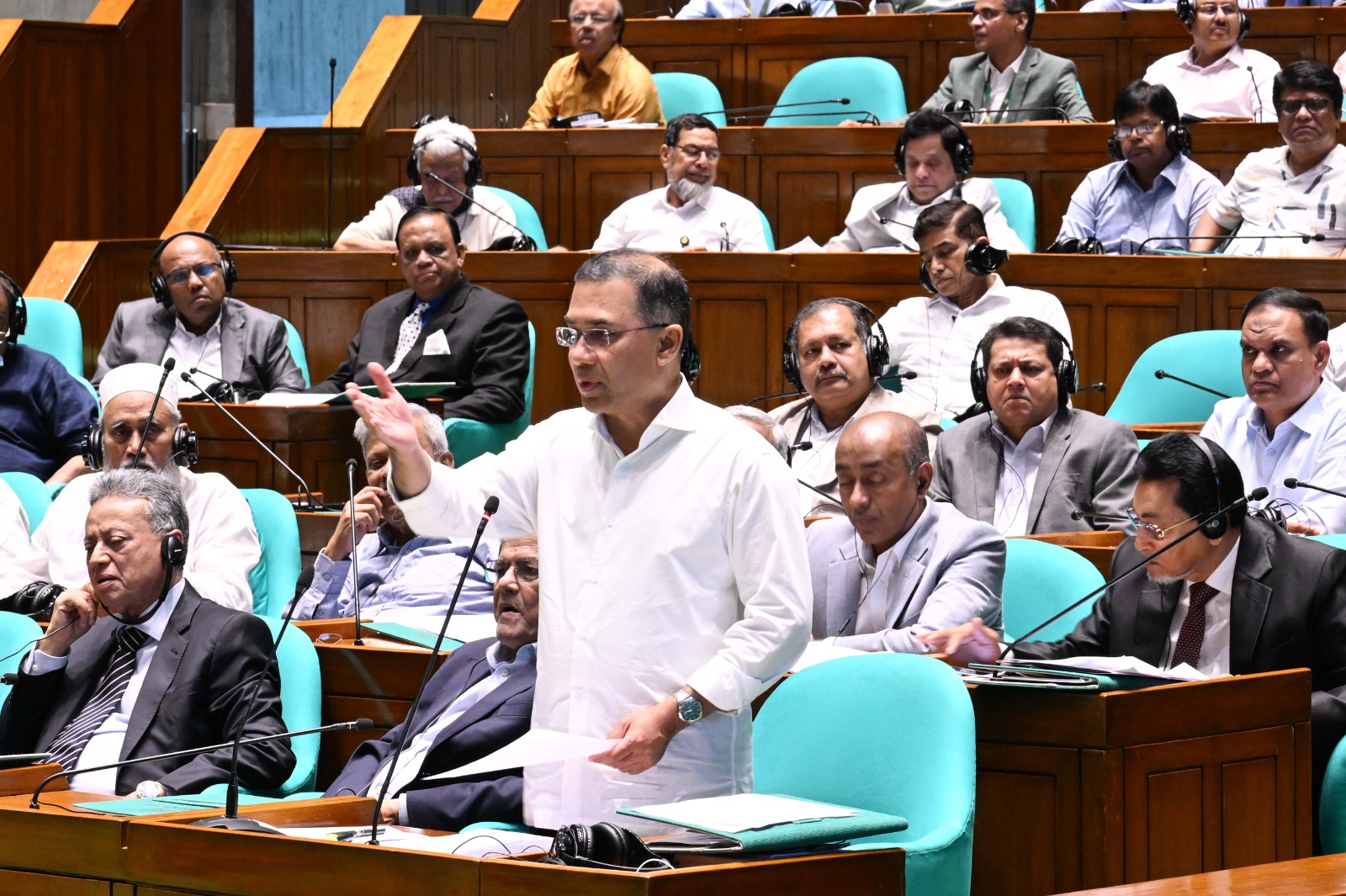
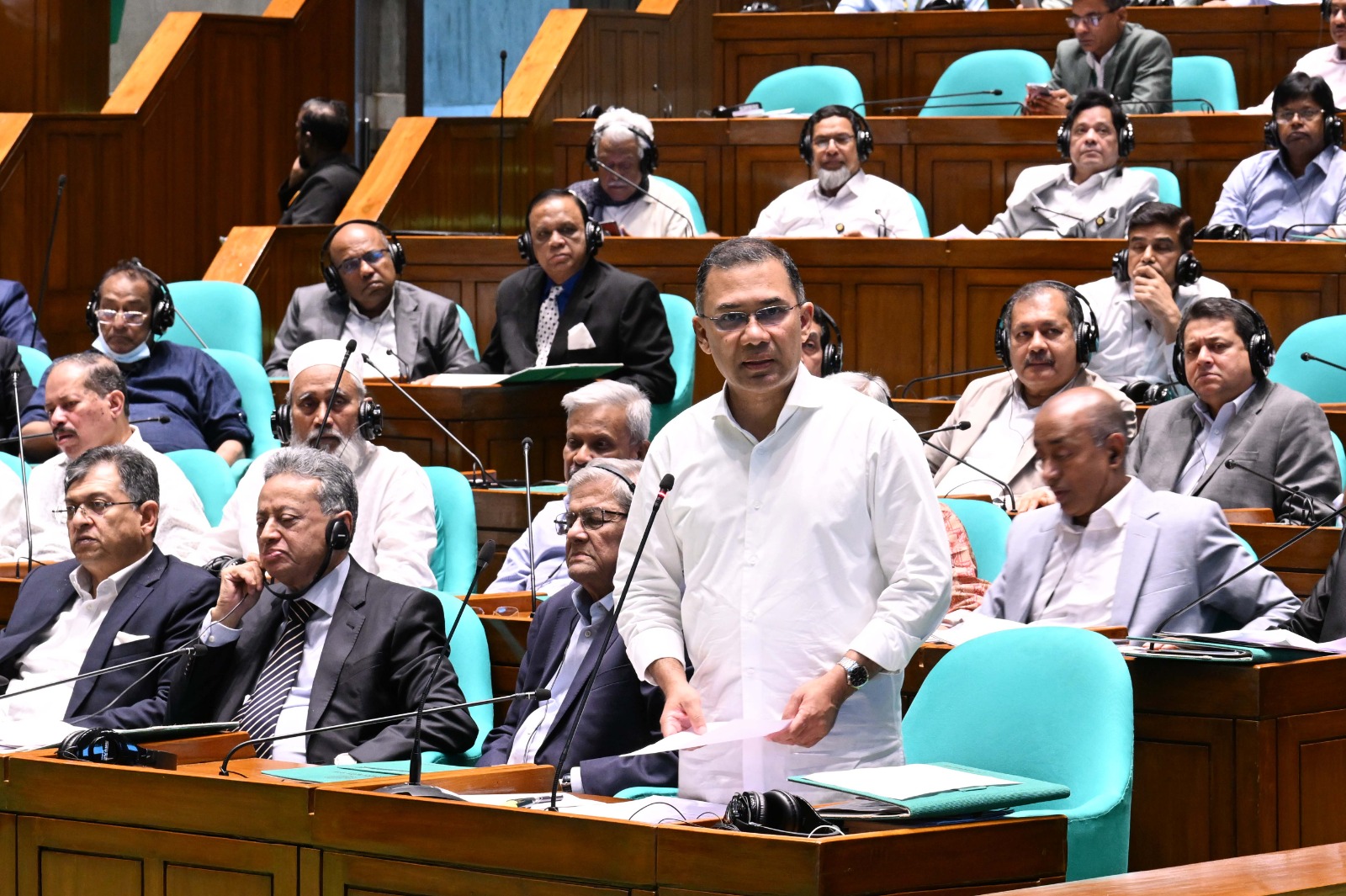
Replying to a scripted question from ruling party lawmaker Nilufar Chowdhury Moni (women seat-10) in the House today, Finance Minister Amir Khosru Mahmud Chowdhury informed that in FY 2024–25, the revised revenue collection target was Tk 4,63,500 crore. Against this, the actual collection stood at Tk 3,70,875.04 crore, indicating a substantial gap.
For the ongoing FY 2025–26, the revenue collection target has been set at Tk 5,03,000 crore. However, up to April 2026, the cumulative target was Tk 4,31,461.27 crore, while actual collection stood at Tk 3,26,928.16 crore, showing continued pressure on revenue performance.
The government cited a combination of domestic economic and structural factors behind the failure to meet revenue targets.
For FY 2024–25, the Finance Minister said the main reasons included political instability, absence of a stable political government, low investment, slowdown in import-export activities, reduced production and supply chain disruptions, and closure of several VAT and supplementary duty-paying enterprises.
For FY 2025–26, similar challenges persisted, including subdued investment, lower imports and production, and continued closure of VAT-registered businesses.
A significant decline in imports of goods with 25% and 10% customs duties reduced by 18% and 37% respectively compared to the previous year also contributed to lower revenue mobilisation.
The government also noted policy adjustments aimed at stabilising fuel prices, including reduction of petroleum-related duties and withdrawal of VAT on liquefied natural gas (LNG) imports, which impacted revenue intake.
Additionally, changes in tariff structures related to capital machinery imports, reduced imports of luxury vehicles, and broader macroeconomic pressures affected collections.
The minister further highlighted that the economy faced broader structural constraints, including the impact of the July–August 2024 political transition period, disruptions in supply chains, and prolonged business slowdown affecting corporate earnings and income tax collection.
Besides, high inflation—approaching double digits reduced real household purchasing power and savings, while elevated interest rates and depreciation of the local currency increased business operating costs. Energy shortages, particularly gas and electricity constraints, also limited industrial production capacity.
Despite the shortfall, the Finance Minister said intensified automation efforts and stricter anti-tax evasion measures by the National Board of Revenue have helped partially recover revenue performance in the later part of the fiscal year.
He said continued reforms and enforcement measures will be crucial to narrowing the revenue gap in the coming months.