BSS
  07 Jun 2026, 19:21

Spl parliamentary committee recommends expanding country’s strategic fuel reserves

SANGSAD BHABAN, June 7, 2026 (BSS) - A special parliamentary committee has recommended expanding Bangladesh's strategic fuel reserves to ensure a minimum three-month storage capacity and diversifying import sources to strengthen the country's energy security.

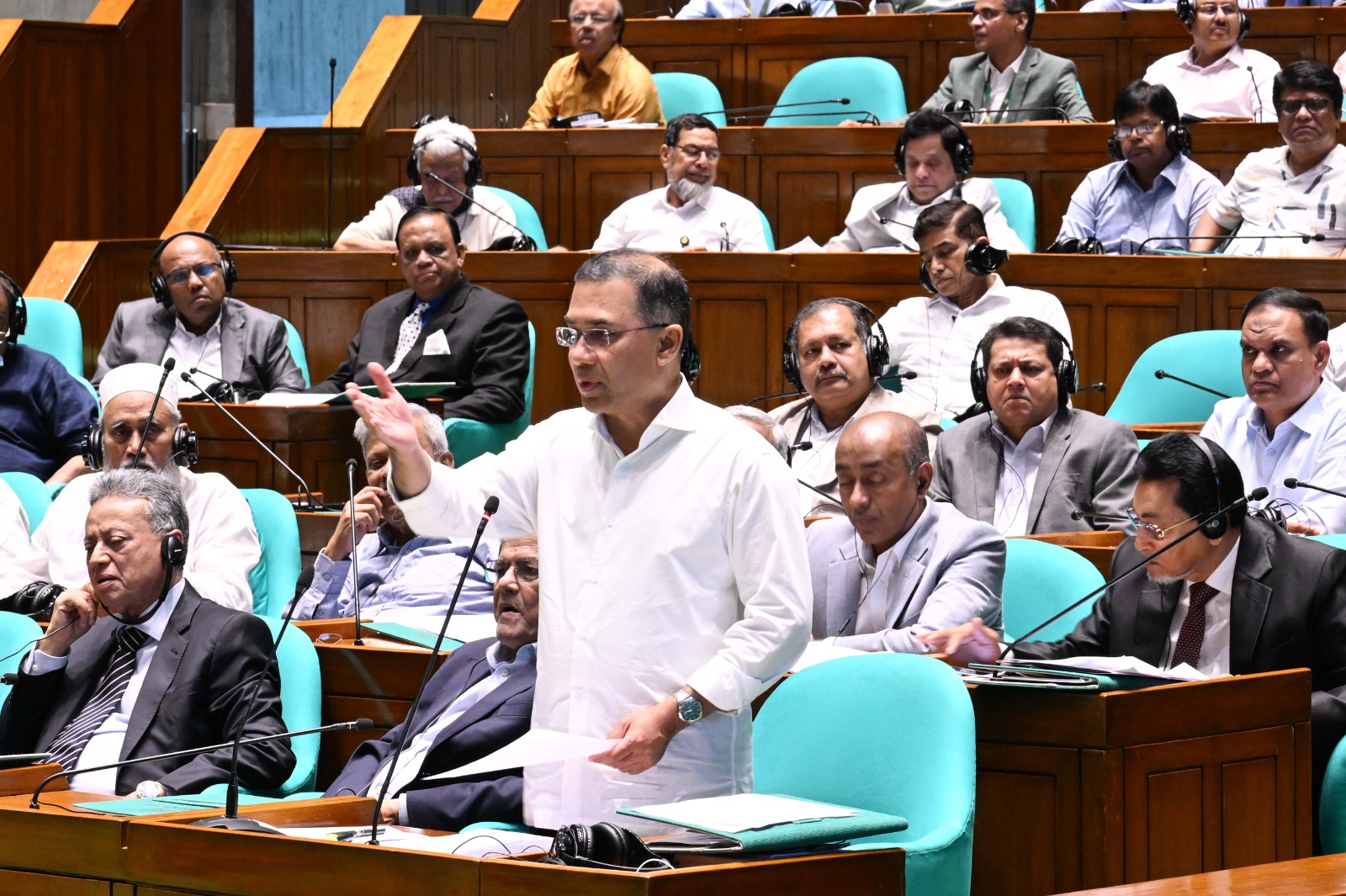
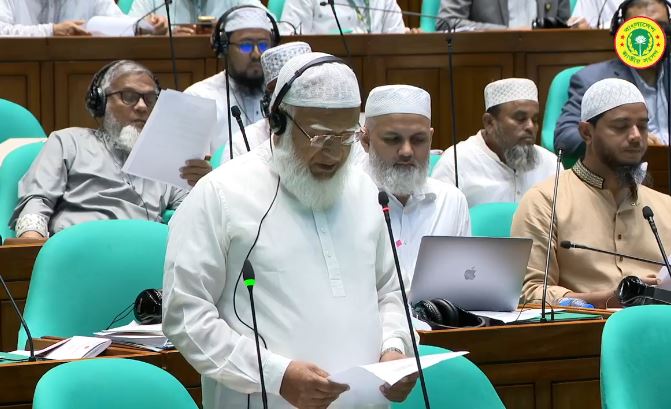
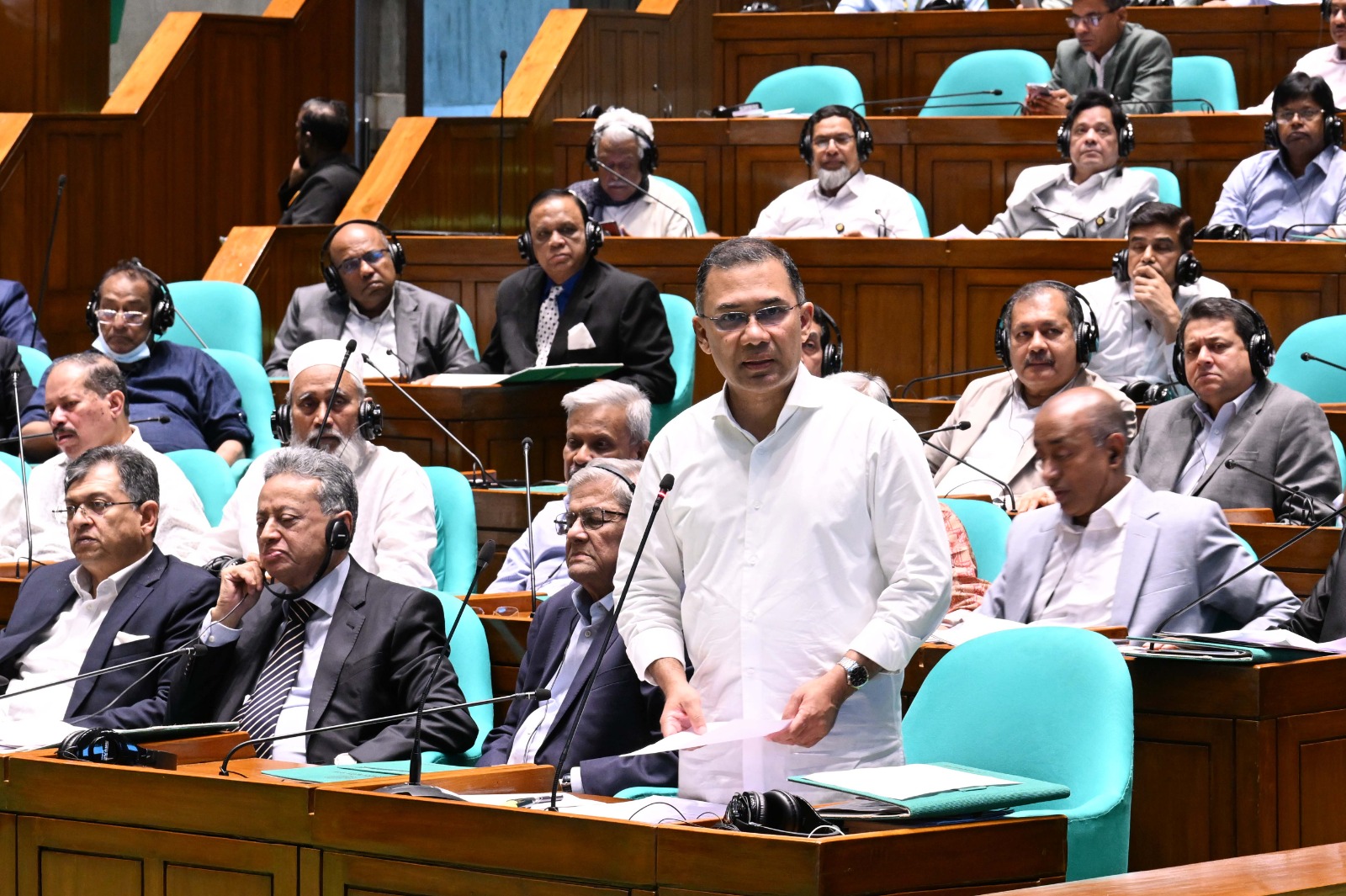
The recommendations were presented in Parliament today by Power, Energy and Mineral Resources Minister Iqbal Hassan Mahmood through a report prepared by the special committee formed on April 26 to suggest measures for addressing the country's energy situation.

The 10-member committee comprised five lawmakers from the ruling party and five from the opposition.

According to the report, the committee held two meetings and observed that the recent energy situation should serve as an important warning for Bangladesh.

While the current challenges have been managed successfully, the committee stressed that long-term energy security would require structural reforms, infrastructure development, diversification of energy sources and the adoption of an integrated national energy strategy.

Among its key recommendations, the committee called for the full automation of the fuel supply system and the introduction of digital monitoring mechanisms. It also urged the government to strengthen legal measures to prevent illegal stockpiling and smuggling of fuel products.

The report recommended increasing the use of alternative energy sources, including liquefied natural gas (LNG) and renewable energy.

It further emphasised the need for the swift implementation of major energy infrastructure projects, including the Dhaka-Chattogram pipeline, the Single Point Mooring (SPM) project and the Eastern Refinery Limited Unit-2 (ERL-2).

The committee also suggested intensifying public awareness campaigns on energy conservation and conducting a study on allowing private-sector entities, alongside the Bangladesh Petroleum Corporation (BPC), to import fuel products.

In addition, it recommended making rooftop solar panel installations mandatory and strengthening monitoring by the relevant ministries to ensure that installed systems remain operational.

Measures to reduce system losses and comprehensive planning for electricity generation from oil, gas, coal, solar and wind sources were also proposed.

The report noted that opposition members of the committee had submitted 10 separate recommendations, all of which were included in the document.

The opposition proposed that future forecasts of electricity and energy demand should be conducted by independent experts free from political influence.

It cautioned against exaggerated demand projections and argued that there may be no immediate need to further expand the country's installed power generation capacity.

The opposition members also recommended maximising the use of coal due to its cost advantages, increasing domestic gas supply, accelerating energy exploration activities and prioritising gas-based electricity generation over expensive imported gas.

Other proposals included undertaking workover operations at existing gas wells to boost production, prioritising quickly productive wells, strengthening energy import and refining infrastructure, and expanding solar power generation.

To manage energy shortages, the opposition suggested reducing the use of government vehicles and ensuring maximum utilisation of vehicle seating capacity.

It also called for the formulation of a strategic roadmap for sustainable energy and electricity supply through consultations with experts, institutions and opposition parties.

Furthermore, the opposition recommended diversifying the country's energy mix to reduce excessive dependence on any single energy source while maintaining environmental sustainability.