Thursday
06 August, 2026
News Flash
News Flash
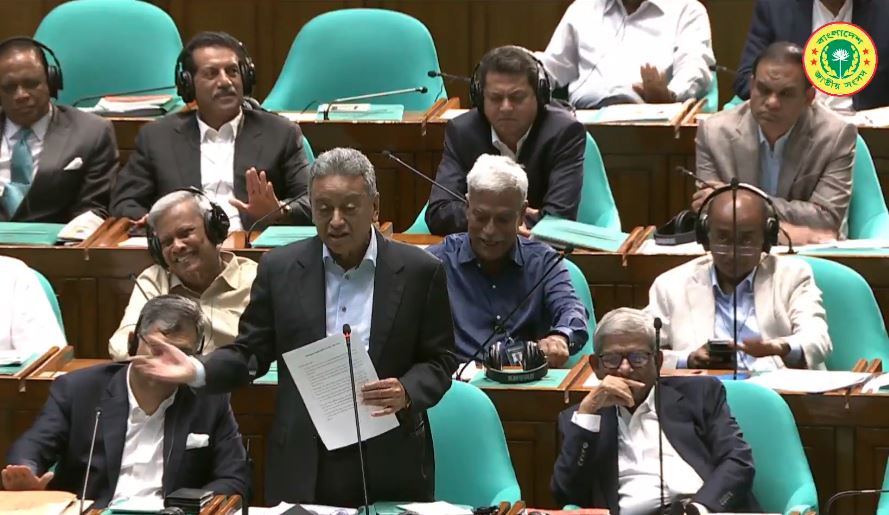
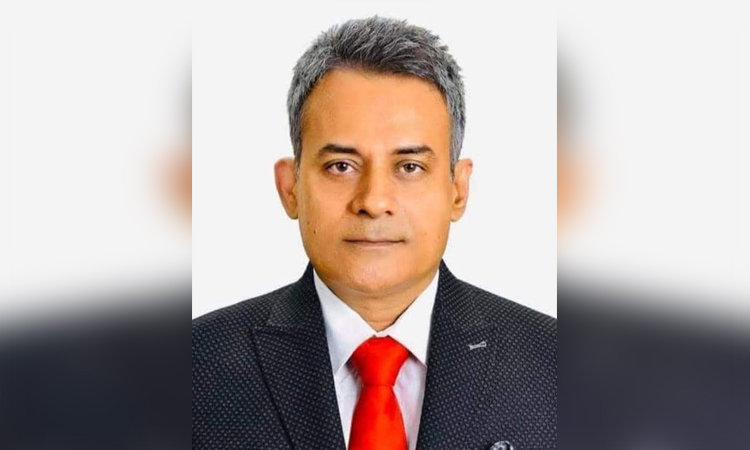
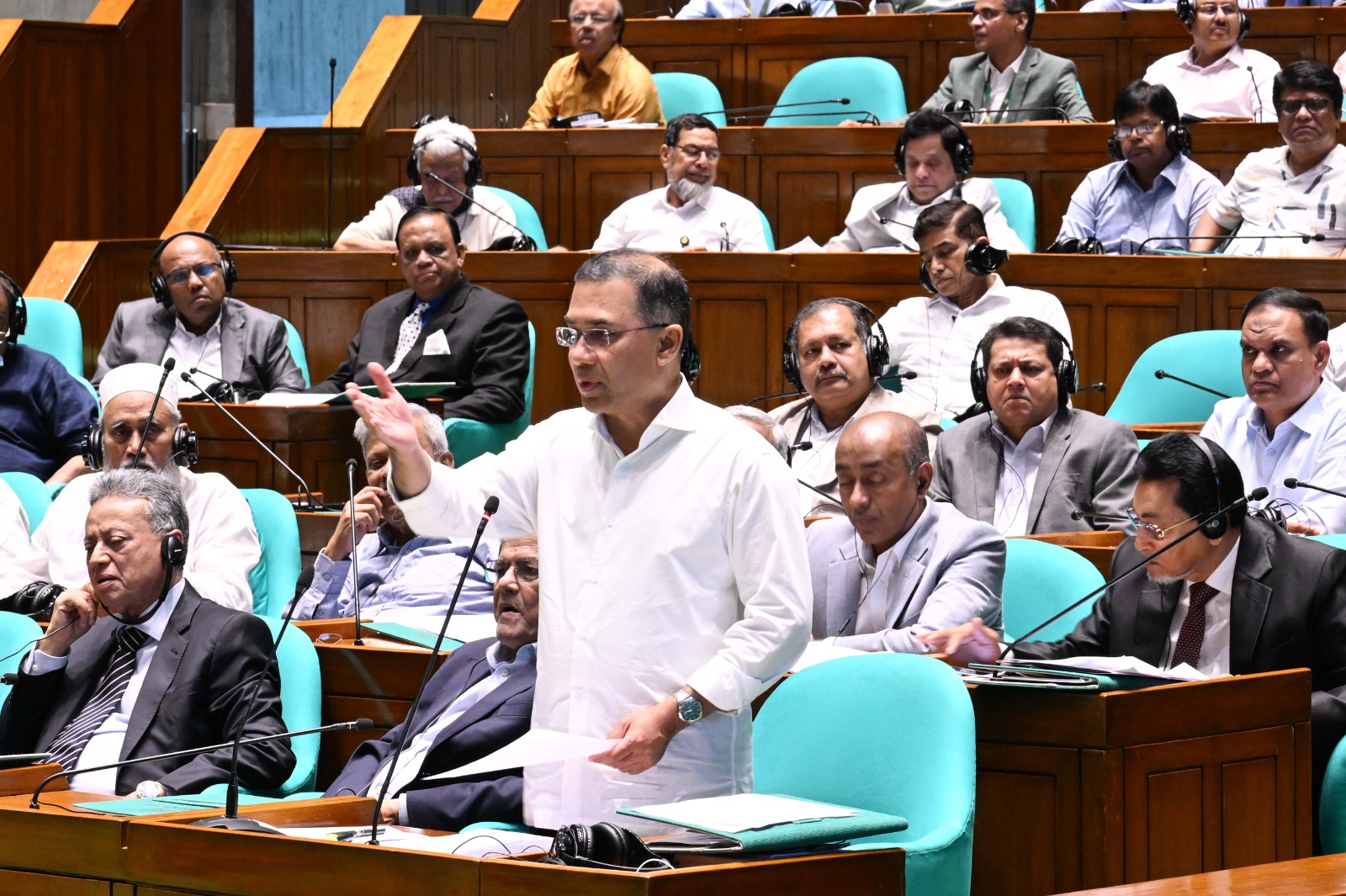
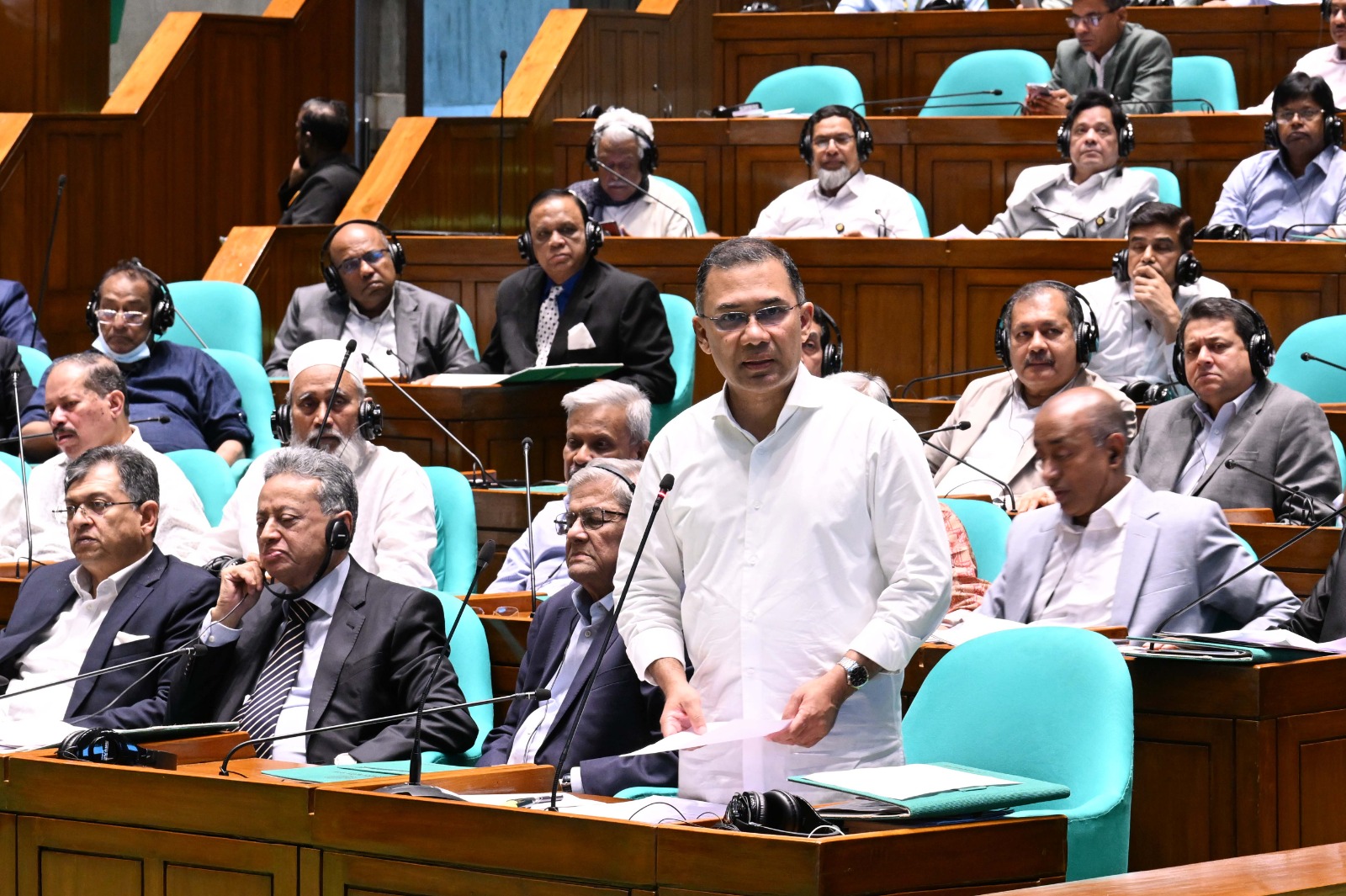
SANGSAD BHABAN, April 30, 2026 (BSS) - Highlighting a grim picture of the country’s economic condition that the current government had inherited from previous regimes, Finance Minister Amir Khosru Mahmud Chowdhury today called for cooperation from the opposition to steer the country’s economy out of its present challenges.
Expressing confidence, he said the nation would be able to overcome the current economic challenges. “It may take about two years, and the coming period will be difficult. Many decisions will have to be taken, and several measures may not be popular,” he noted.
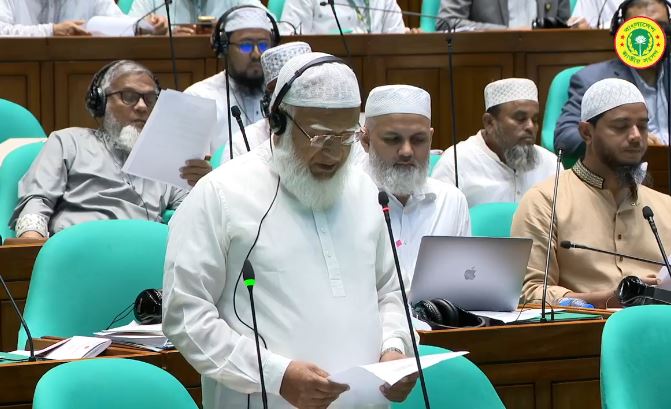
The Finance Minister said this while taking part in the discussion on the thanks giving motion on the President’s speech in the House today with Speaker Hafiz Uddin Ahmad, Bir Bikram, in the chair.
The Finance Minister expressed optimism that the country’s economy can be restored to its previous position—or even improved further—through necessary reforms, deregulation, and collective efforts, though the process may require difficult decisions over the next two years.
He said a number of reforms and deregulation measures have already been implemented, while the remaining initiatives are currently underway.
“I have shared a grim picture with you. The encouraging news is that the country is being led by a prudent, visionary leader (Prime Minister) whose vision, thinking, and work ethics are inspiring all of us,” he added.
Highlighting the need for tough choices, he said it is not possible to emerge from a challenging situation without taking bold and sometimes unpopular steps.
In this regard, the Finance Minister also urged members of the opposition to extend their cooperation in the greater interest of the country. “This is in the interest of the nation and all its people. If we are to lift the economy from a low-level equilibrium, we must work together in unity,” he said.
He expressed confidence in the country’s leadership, stating that the leadership and its vision remain sound and are guided by principles of justice and integrity.
“We may not recover easily, but we will be able to overcome the situation. It is a difficult task, but it is achievable. For this, we need the cooperation of all,” he added.
Taking part in the discussion, the Finance Minister defended the issue of loan rescheduling and rejected criticism branding certain opposition lawmakers as loan defaulters. He said loan restructuring is a standard global banking practice and not unique to any political party.
“Loan rescheduling is part of business and banking culture. It was not invented by BNP. Since the beginning of banking systems worldwide, such arrangements have existed and will continue to exist,” he said.
Explaining the rationale, he added that businesses often face disruptions due to extraordinary circumstances such as pandemics or political instability. “During COVID-19, businesses were severely affected, and many required rescheduling. Similarly, during political unrest, many entrepreneurs suffered losses,” he said.
The minister alleged that the then opposition-linked businessmen faced systemic barriers over the past years. “For 17 years, BNP-affiliated businessmen could not operate normally. Even when loans were sanctioned, they were not disbursed. Various obstacles were created within the banking system,” he said.
He further claimed that many individuals were forced to shut down businesses, go into hiding, or remain in jail. “Can someone sitting in prison repay bank loans easily?” he questioned.
Highlighting institutional integrity, the Finance Minister urged all political actors to respect constitutional structure. “The President is an institution, not an individual. If you believe in constitutional democracy, you must respect institutions,” he said.
Turning to economic issues, the Finance Minister presented a set of indicators to illustrate the current condition of the economy. He said Bangladesh’s tax-to-GDP ratio has fallen below 7 percent, making it “the lowest in South Asia and among the lowest globally.”
“When BNP left office in 2006, the tax-GDP ratio was around 10 percent and rising,” he noted.
He also pointed to a rising poverty rate, saying it increased from around 17.18 percent in 2022 to approximately 29.93 percent in 2025, according to available estimates.
Private sector credit growth has also declined sharply. “Private sector credit has dropped to around 6 percent of GDP, compared to over 18 percent during BNP’s tenure,” he said.
Export performance has weakened as well. “Export growth, which used to be consistently positive over the last two decades, has now declined,” he said, adding that it stood at about 14 percent when BNP left office.
The minister also expressed concern over declining imports of capital machinery, a key indicator of investment. “Capital machinery imports are now negative 14.5 percent, whereas it was over 53 percent growth in 2005,” he said.
On the banking sector, he warned that non-performing loans have surged. “When defaulted loans exceed 30 percent, the economy almost comes to a grinding halt,” he said, noting that it was about 13 percent in 2005.
He further highlighted fiscal pressures arising from subsidies and unpaid dues. The government is currently providing around Tk 36,000 crore in power subsidies and may need to add another Tk 20,000 crore to Tk 30,000 crore, he added.
The minister also mentioned outstanding foreign payments, including energy-related dues. “We inherited unpaid dues, including millions of dollars in fuel and gas liabilities, which the current government has to settle,” he said.
Khosru noted that global factors, including rising LNG prices due to geopolitical tensions, have further increased subsidy burdens. “Between March and June alone, an additional subsidy requirement of over Tk 11,000 crore has emerged,” he said.
Describing the overall situation, the minister said, “Our fiscal space is shrinking. Yet, demands for development spending remain, which is natural in a representative democracy.”
He stressed the need for structural reforms, deregulation, and improving the ease of doing business. “Over-regulation has pushed Bangladesh to the bottom in ease of doing business rankings,” he said.
Calling for unity, the minister said, “At the end of the day, all roads lead to Parliament. Decisions must be made here, based on the mandate of the people.”
He urged opposition members to cooperate in implementing necessary reforms, even if some decisions may be unpopular. “The next two years will be difficult. We’ll have to take tough decisions, some of which may not be popular,” he added.
Reiterating optimism, he added: “This is not the first time BNP has faced such situation. In the past, through reforms and leadership, the country has recovered. I firmly believe we will overcome this challenge again.”