Thursday
06 August, 2026
News Flash
News Flash
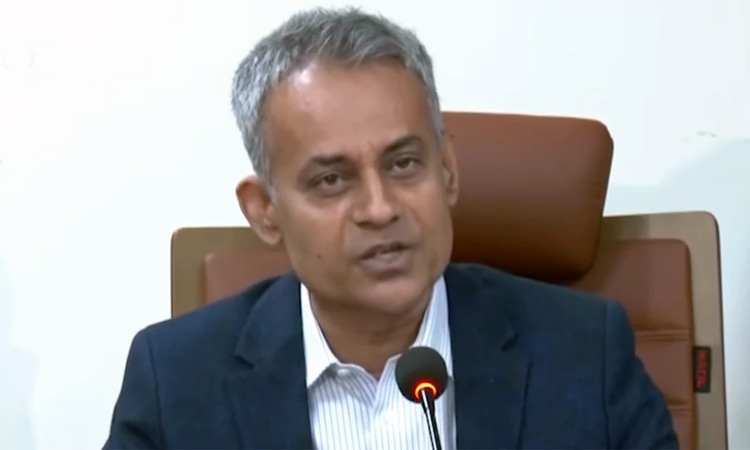
SANGSAD BHABAN, April 26, 2026 (BSS) - The government has strengthened coordinated monitoring and intensified measures to ensure safe and uninterrupted movement of vehicles and passengers on highways during the Eid vacation amid the surge in traffic.
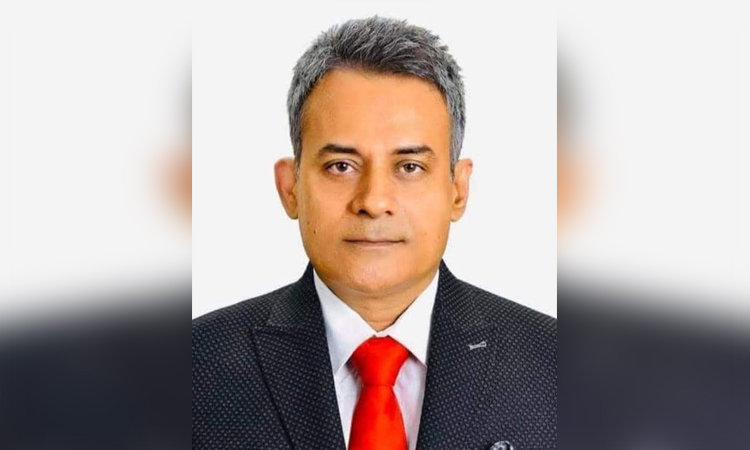
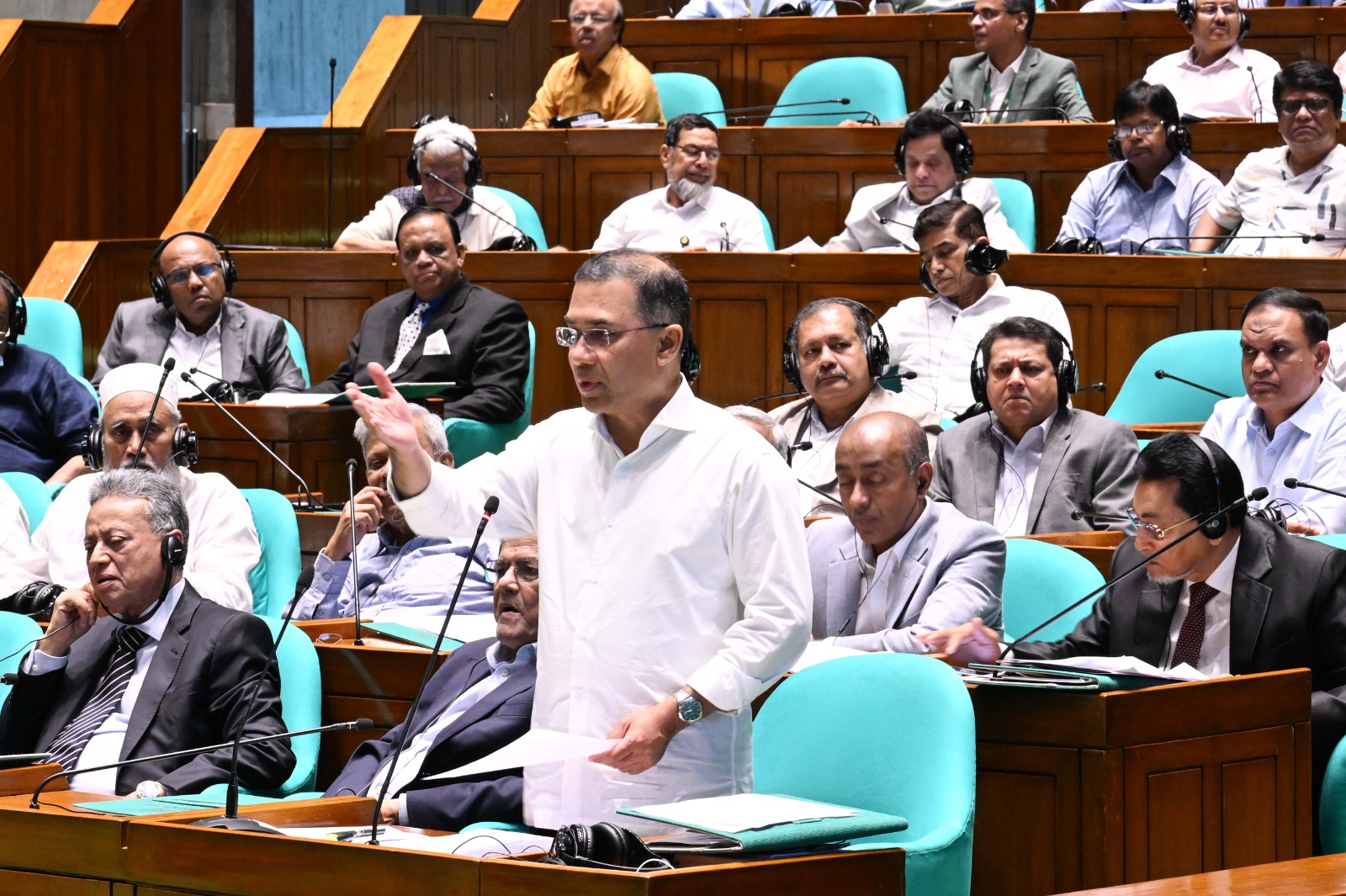
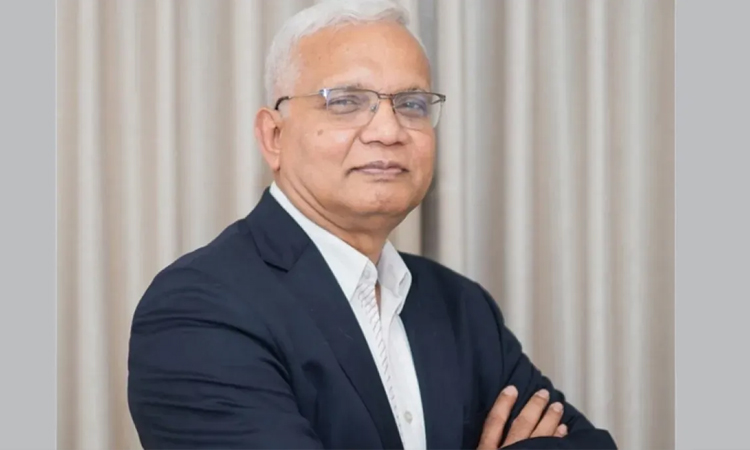
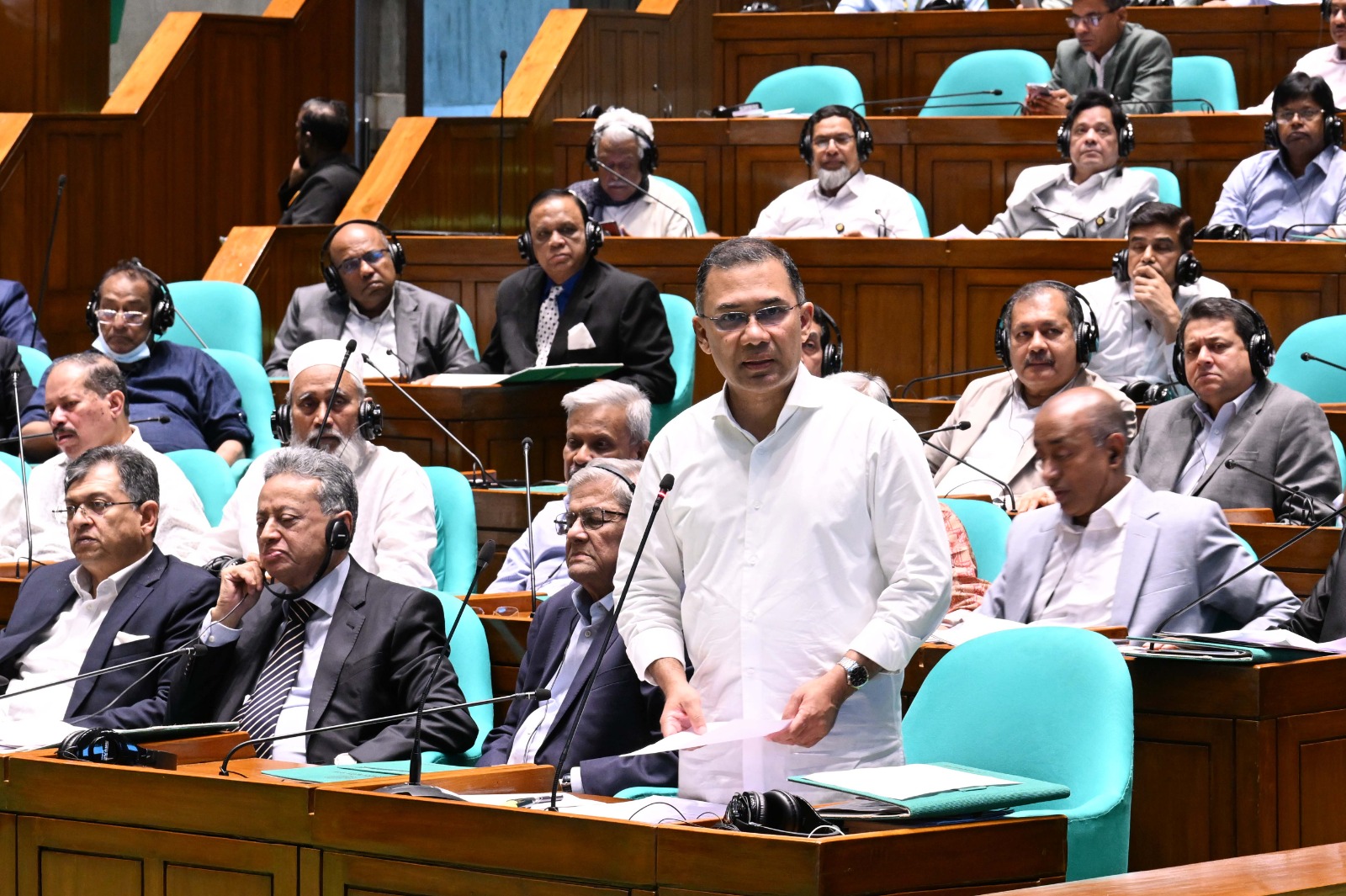
“Traffic volume rises significantly during Eid, and unfortunately, some unfit vehicles also ply the highways, leading to unwanted accidents. We are addressing the issue with utmost importance through coordinated and technology-driven monitoring,” said Road Transport and Bridges Minister Shaikh Rabiul Alam while replying to a scripted question from BNP lawmaker Md. Abul Kalam (Cumilla-9) in the Jatiya Sangsad today.
Rabiul said a central control room has been set up at the Bangladesh Road Transport Authority (BRTA) headquarters, bringing together BRTA, Roads and Highways Department (RHD), Bangladesh Road Transport Corporation (BRTC), Dhaka Transport Coordination Authority (DTCA), Dhaka Bus Rapid Transit Company Limited, and Dhaka Mass Transit Company Limited.
“From this central control room, we are conducting round-the-clock monitoring through CCTV and television feeds, observing key junctions, intersections, and congestion-prone areas across the country,” the minister said.
He added that immediate coordination is ensured with local district administrations and police to ease traffic congestion and respond swiftly to road accidents. “In case of accidents, steps are taken to quickly remove damaged vehicles from highways and arrange prompt medical support for victims,” he said.
According to the minister, 24-hour monitoring and supervision remain active throughout the Eid period, while district-level road safety committee meetings are being convened regularly. Mobile courts, led by BRTA, police, and district administration, are also conducting drives against traffic violations.
Highlighting long-term initiatives, Shaikh Rabiul Alam said the Roads and Highways Department has undertaken comprehensive plans to build a safer highway network across national, regional, and district roads.
“We are upgrading highways to four lanes and constructing service lanes to prevent head-on collisions and separate slow-moving vehicles. Overpasses, underpasses, and railway overpasses are being built at busy intersections and crossings to enhance safety,” he said.
The minister noted that regular road safety audits are being conducted to ensure compliance with safety standards in both existing roads and ongoing projects. Technical vetting of geometric road designs is also being strengthened, alongside updates to design manuals and guidelines.
On the adoption of smart technologies, he said, “With support from the Korean government through KOICA, a pilot project on Intelligent Transportation Systems (ITS) is being implemented on national highways. This allows real-time monitoring of vehicle movement, helping detect over speeding, illegal parking, congestion, and accidents for immediate action.”
He further said a $360 million Bangladesh Road Safety Program (BRSP), supported by the World Bank, is under implementation. The programme includes establishment of a road safety cell, modern accident data centres, digital enforcement systems, vehicle inspection facilities, driver training institutes, and post-crash response mechanisms.
“We are also focusing on awareness, research, and capacity building to bring sustainable improvements in road safety,” he added.
To protect vulnerable road users, particularly near educational institutions and industrial zones, the government plans to install foot overbridges, raised pedestrian crossings, and undertake awareness campaigns in line with Sustainable Development Goals (SDGs).
The minister said identified accident-prone “black spots” are being addressed gradually based on highway police data and study findings.
He also highlighted a project to establish modern rest areas for goods-laden vehicle drivers along four major highways—Dhaka-Chattogram, Dhaka-Sylhet, Dhaka-Rangpur, and Dhaka-Khulna—at Cumilla, Habiganj, Sirajganj, and Magura.
“These rest facilities will help reduce fatigue-related accidents by allowing long-distance drivers to take necessary breaks,” he said.
Additionally, axle load control centres are being installed at key freight origin points to prevent overloading of vehicles, which damages roads and compromises safety.
“Through these integrated measures, we aim to ensure a safe, disciplined, and efficient highway transport system for all citizens,” the minister added.