Thursday
06 August, 2026
News Flash
News Flash
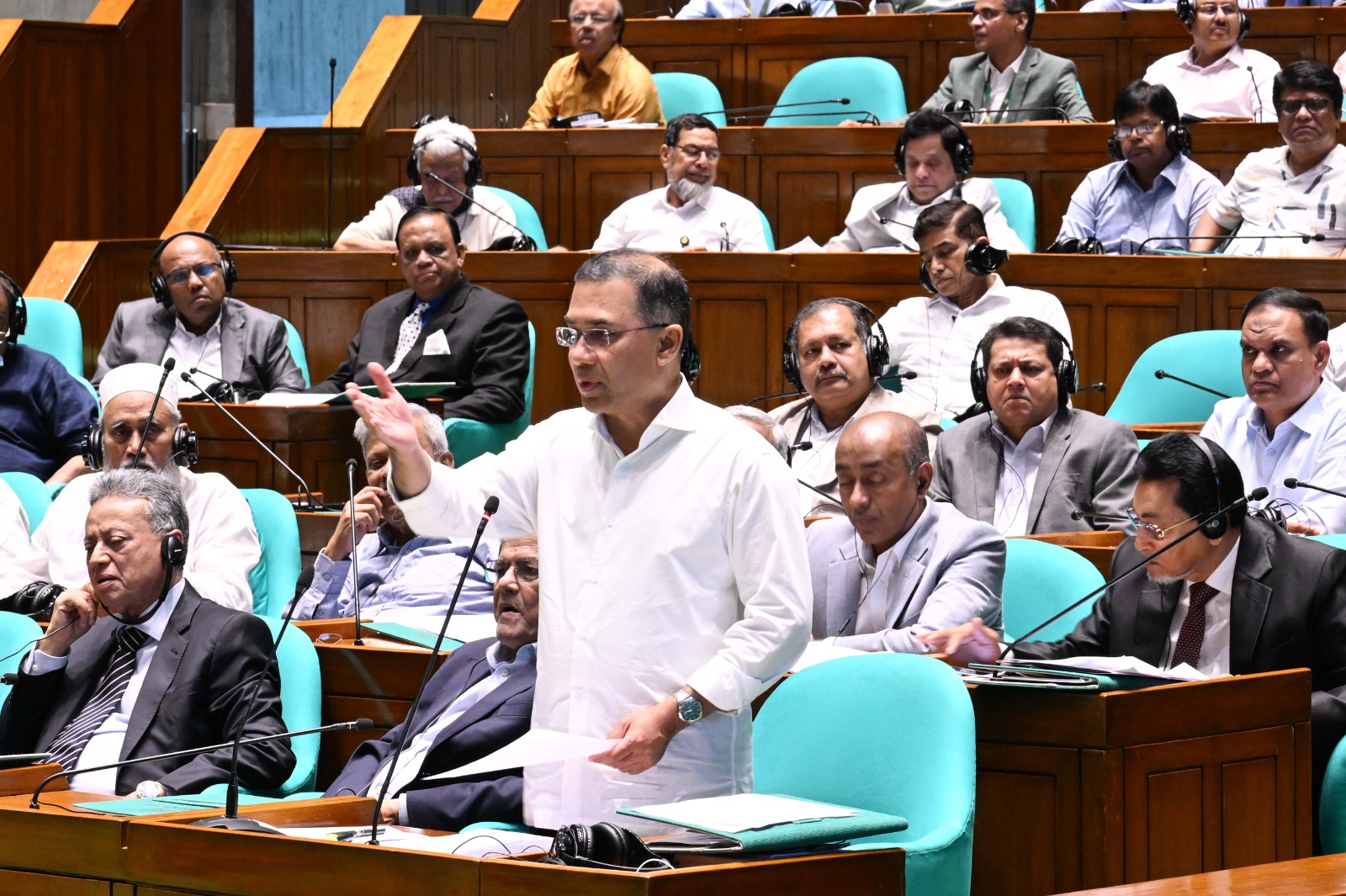
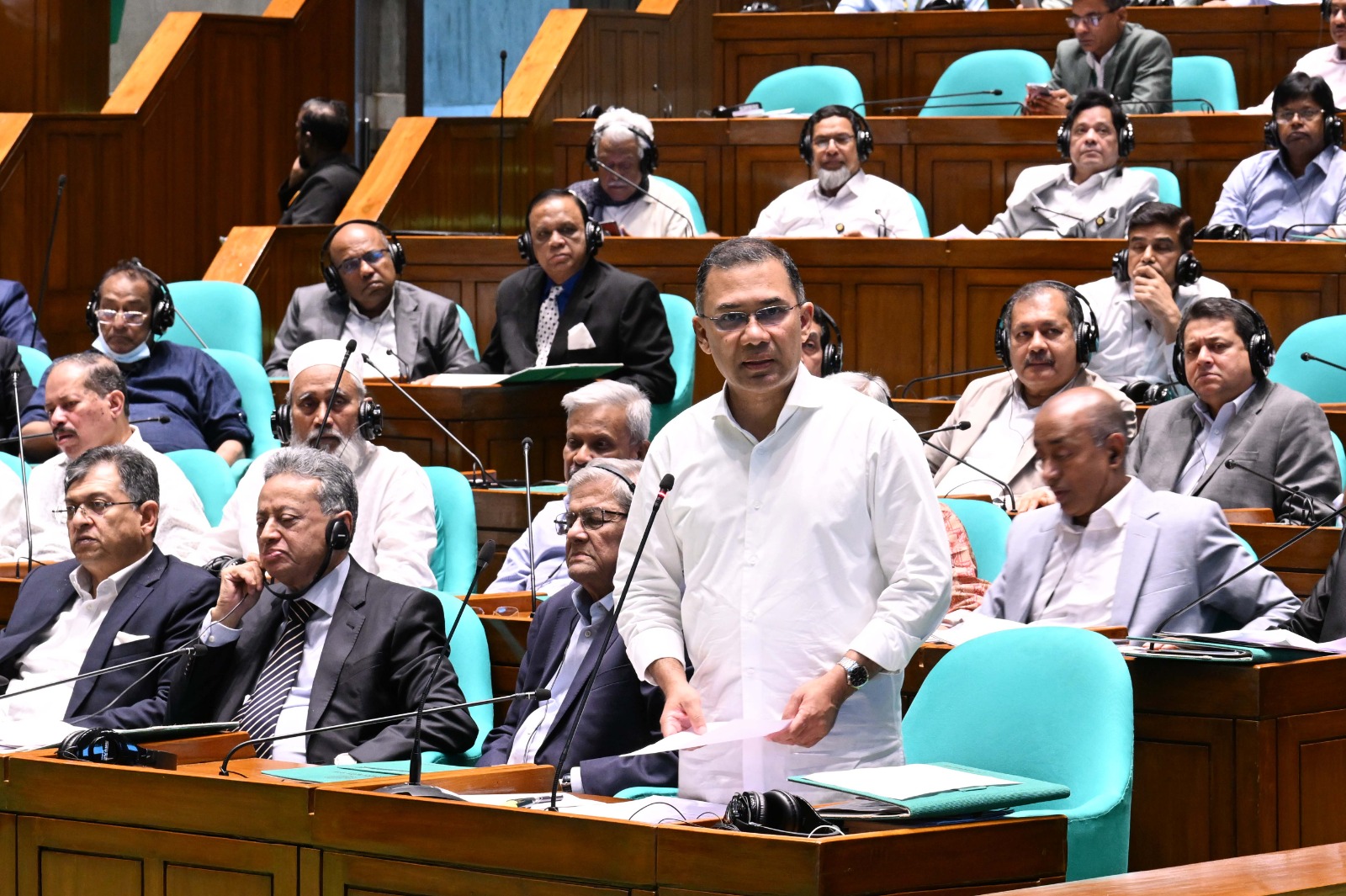
SANGSAD BHABAN, April 23, 2026 (BSS) - Education Minister ANM Ehsanul Hoque Milon today told the Jatiya Sangsad that the government has undertaken a series of measures to implement a skill-based education system in the country aimed at producing competent human resources.
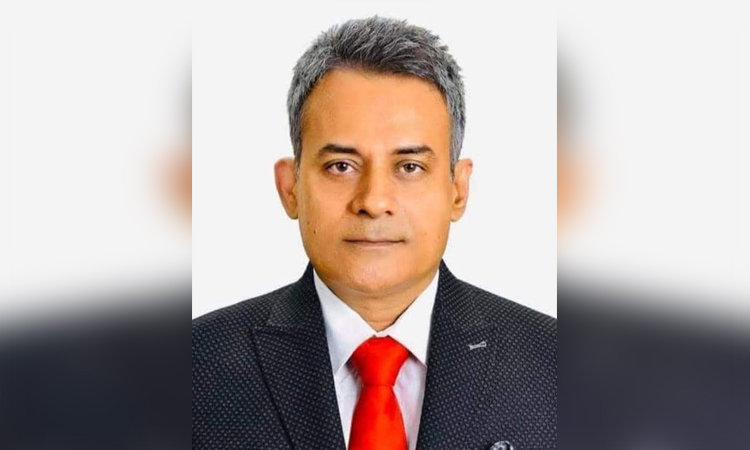
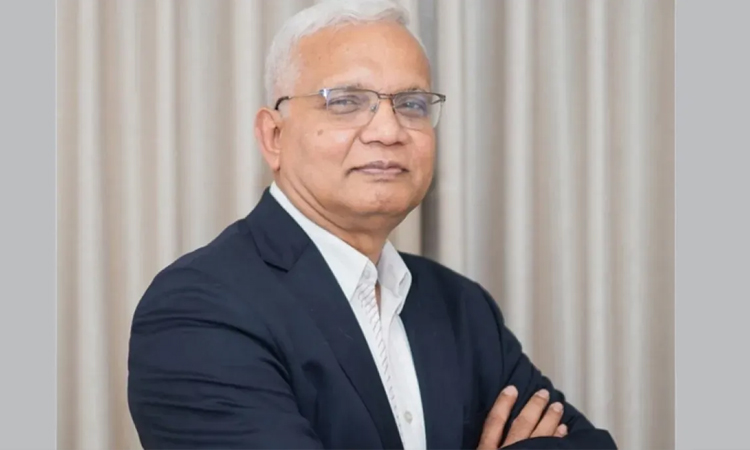
Responding to a scripted question from BNP lawmaker Mohammad Enamul Haque (Chattogram-12) in the house today, the Education Minister outlined the initiatives taken under the Secondary and Higher Education Division.
He said the government has placed emphasis on expanding technology-driven education to enhance the quality of secondary and higher secondary education.
Under this initiative, he said plans have been taken to introduce the “One Teacher One Tab” programme, provide free Wi-Fi facilities, establish multimedia classrooms, and strengthen teacher training.
To modernize the curriculum and assessment system, he said steps have been taken under a dedicated project involving the National Curriculum and Textbook Board (NCTB) in coordination with the Technical and Madrasa Education Division. “The initiatives include the introduction of third-language learning and expansion of vocational education,”
Highlighting efforts to promote ethical and human values, the minister said plans are underway to institutionalize ethics education to ensure a joyful, value-based learning environment.
He further said that various awareness-building programmes, including documentaries, quiz-based activities, and award distribution, have been introduced to develop students’ social and life skills alongside fostering moral and religious values.
Regarding teacher development, he noted that a plan has been taken to establish a “BCS Education Academy” to enhance the professional skills of BCS Education cadre officials.
Milon also mentioned that the proposed “NextGen Secondary Education Project,” currently awaiting DPP approval, aims to improve educational infrastructure, enhance the teaching-learning environment, and introduce modern tools such as real-time learning trajectory tracking, unified assessment systems, attendance monitoring, classroom supervision, and teacher performance evaluation.
He expressed optimism that these initiatives would play an effective role in establishing a modern, technology-driven, and skill-oriented education system.
The House was also informed that the government has taken various measures through the Technical and Madrasa Education Division to strengthen skill-based education across the country.
These include establishing Technical School and Colleges (TSCs) in all upazilas where such institutions do not exist, and setting up polytechnic institutes in districts lacking such facilities. “Additionally, at least one women’s polytechnic institute is being established in each division where none currently exists,” he said.
To align education with both domestic and international labour market demands, the curriculum of Diploma-in-Engineering courses is being modernized. “Ongoing projects are also enhancing the skills of technical education teachers through training programmes,” he said.
Milon said various proposed projects include provisions for short courses for youth, as well as soft skills and language training for teachers.
To bring all education streams under a unified structure and ensure international recognition of technical education certifications, the Bangladesh National Qualifications Framework (BNQF), comprising 10 levels, has been formulated and approved by the Cabinet Division. “Initiatives are underway to implement BNQF across all levels of technical education,”
Moreover, he said steps have been taken to strengthen linkages between technical education institutions and relevant industries within their catchment areas, alongside introducing a dual certification system.
The Education Minister said the government believes that the implementation of these measures will significantly contribute to building a skilled, adaptable, and globally competitive workforce.