Thursday
06 August, 2026
News Flash
News Flash
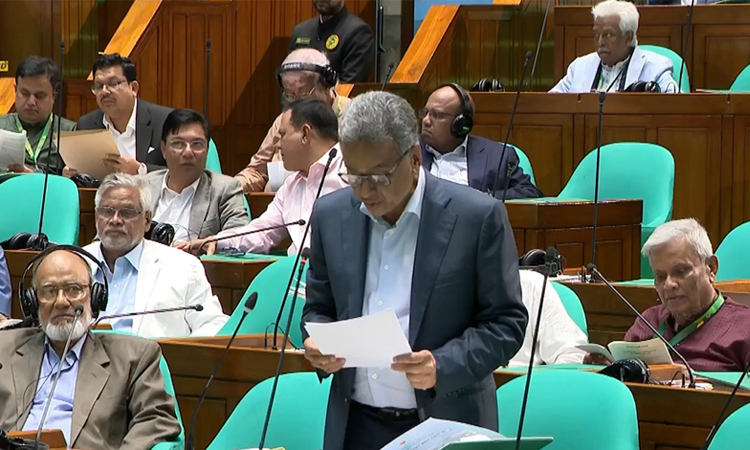
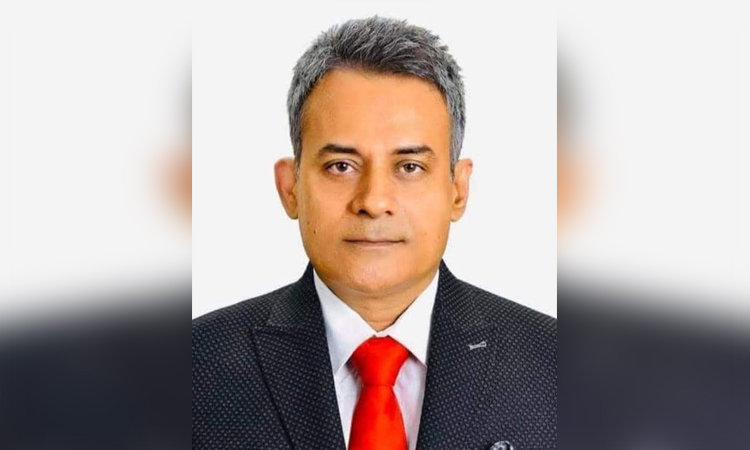
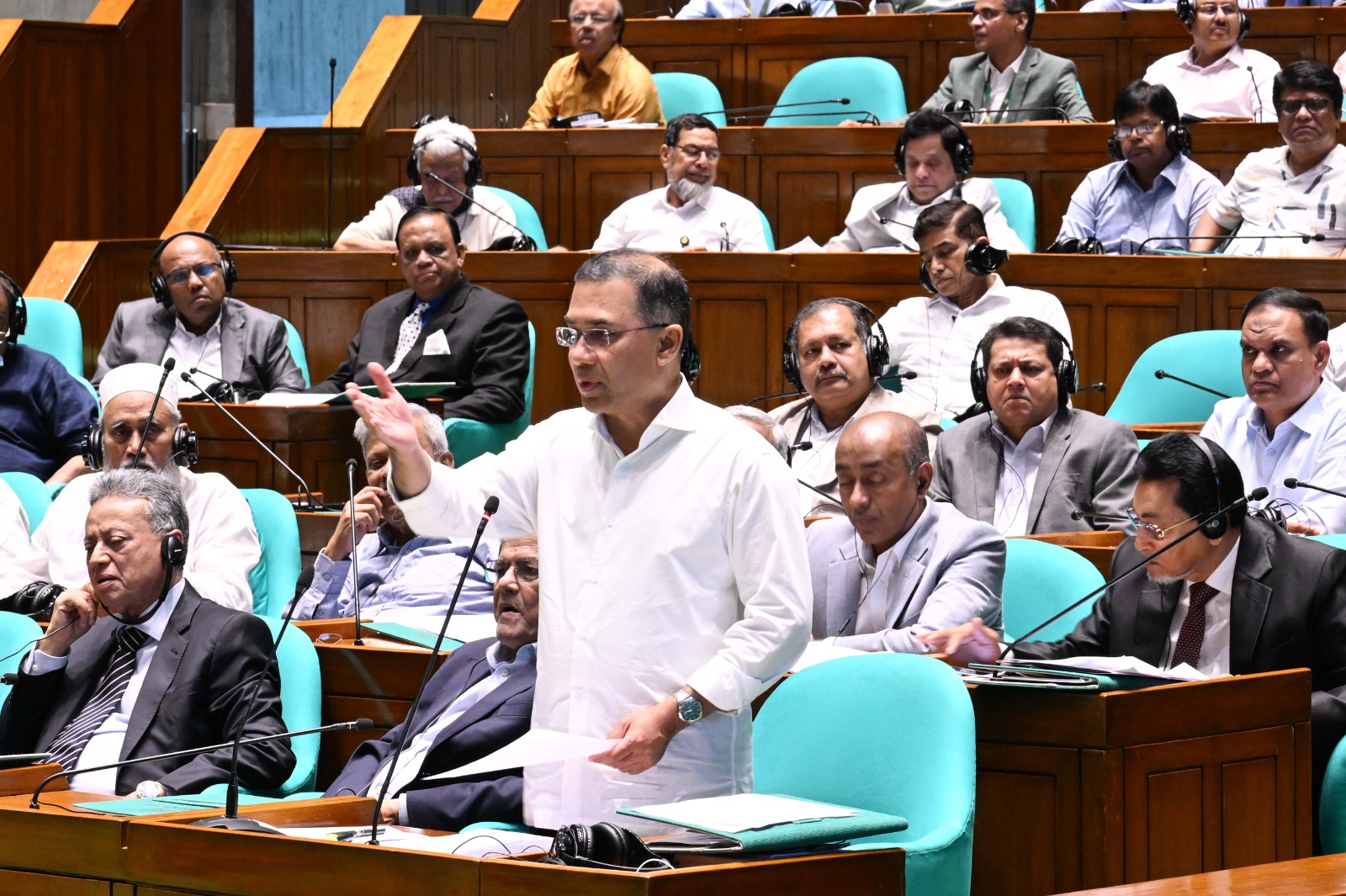
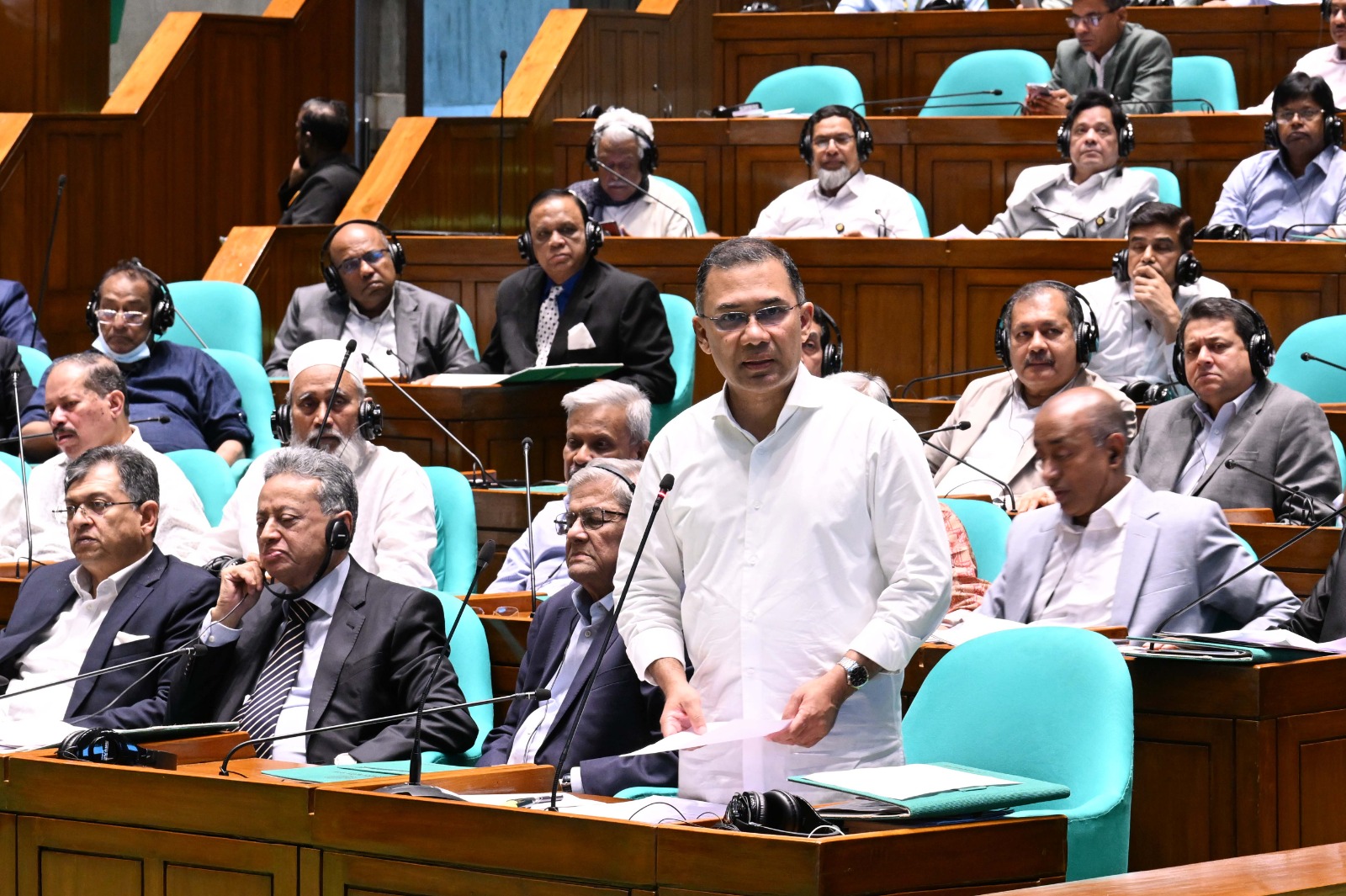
SANGSAD BHABAN, April 21, 2026 (BSS) - Finance Minister Amir Khosru Mahmud Chowdhury today informed Parliament that inflationary pressure in the country has been gradually declining due to a series of coordinated measures taken by the government, although challenges remain amid global uncertainties.
Responding to a scripted question from ruling party lawmaker Md. Abul Kalam (Cumilla-9) during the day’s question-answer session in the House, the minister acknowledged that Bangladesh had been experiencing high inflation for several years, which adversely affected people’s purchasing power.
He said that since fiscal year 2022–23, the country has faced persistent inflationary pressure. Food inflation, which stood at 14.10 percent in July 2024, has significantly decreased to 8.24 percent in March 2026.
Highlighting the steps taken to curb inflation, the minister said Bangladesh Bank has maintained the policy interest rate at 10 percent to contain excess demand and ensure macroeconomic stability.
He also noted that the government has strengthened efforts to maintain the supply of food and essential commodities through increased imports, stock management, and market monitoring.
As of April 13, 2026, Khosru said the government imported 400,000 metric tons of rice and 608,000 metric tons of wheat, while private sector imports reached 734,000 metric tons of rice and 6.16 million metric tons of wheat. “Public food grain stocks stood at 1.863 million metric tons on the same date,” he said.
To ease the cost burden on low and lower-middle-income groups, he said the government has continued and expanded social safety net programmes, including family cards, allowances, and food assistance initiatives.
In the current fiscal year (2025–26), a total of 95 social safety net programmes are being implemented with an allocation of Tk 1,16,731 crore.
The minister further said that agricultural support measures, including irrigation and input assistance, have been intensified to ensure stable food production and supply.
“A new family card system is being gradually expanded, while a farmer card programme has been launched on a pilot basis from Pahela Baishakh.” He said.
To address external sector pressures, Khosru said the government has continued a market-based exchange rate regime and strengthened foreign exchange reserve management. As of March 2026, the country’s foreign exchange reserves stood at US$34.12 billion.
Due to these combined efforts, he said overall inflation has shown a downward trend, declining from 9.13 percent in February 2026 to 8.71 percent in March 2026.
However, the Minister cautioned that evolving global conditions could create renewed pressure, and the government will continue its efforts to keep inflation at a tolerable level.