Monday
24 August, 2026
News Flash
News Flash

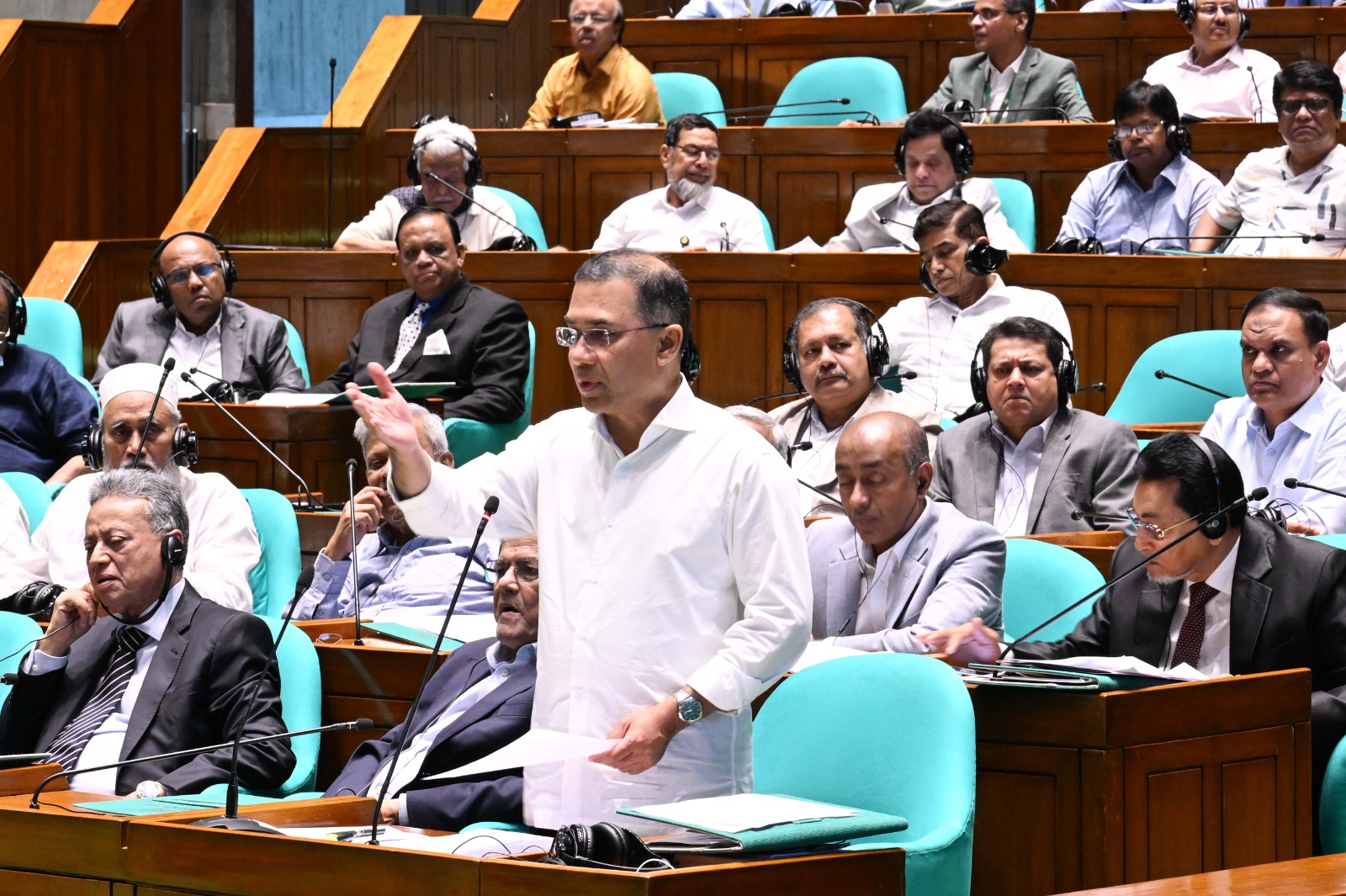
SANGSAD BHABAN, April 20, 2026 (BSS) - State Minister for Food Md. Abdul Bari today told the Parliament that the country’s food grain stock remains satisfactory in the government godowns, with a total of 17.71 lakh metric tons as of April 13, 2026.
Of the total stock, 14.64 lakh metric tons are rice and 3.07 lakh metric tons are wheat, he said in reply to a starred question from treasury bench member Abul Kalam Azad Siddiqui (Tangail-7) in the house today.
The state minister said the government has undertaken a set of coordinated measures to further strengthen food reserves, including import of rice and wheat through both government-to-government (G2G) arrangements and international open tenders.
Alongside imports, domestic procurement drives are being continued, with rice collected from contracted mills and paddy and wheat procured directly from genuine farmers holding agricultural assistance cards at government-fixed prices during the Boro and Aman seasons.
Detailing the import situation, Abdul Bari said In the current fiscal year 2025–26, contracts have been signed for 6.00 lakh metric tons of rice, of which 3.57 lakh tons have already been received, while the remaining 2.43 lakh tons are in the pipeline.
For wheat, contracts totalling 7.10 lakh metric tons have been concluded, including a major G2G deal with the United States. So far, 7.03 lakh tons have arrived, and the remaining around 60,000 tons is scheduled to reach Chattogram port by April 24, 2026.
Boro procurement target:
The state minister said preparations are underway for the upcoming Boro procurement season (May–August 2026).
A proposal has been placed to procure:
12.00 lakh metric tons of parboiled rice; 1.00 lakh metric tons of Atap (non-parboiled) rice; 5.00 lakh metric tons of paddy.
The procurement programme will be implemented upon approval by the Food Planning and Monitoring Committee (FPMC).
Md. Abdul Bari added that the government will continue to procure food grains from both domestic and international sources in the next fiscal year (2026–27), depending on demand and overall food security requirements.