Friday
07 August, 2026
News Flash
News Flash
By Nazior Rahman Sohel
DHAKA, May 20, 2026 (BSS) - The government is planning a long-term initiative to introduce an integrated networking system called “Family Tree” to bring reform and ensure transparency in social safety net programs for marginalized communities across the country.
Under this system, all social safety programs operated by different ministries will be brought under a single integrated digital platform. This means the duplication of receiving multiple allowances by the same individual or family (“double booking”) will be stopped. At the same time, government benefits will reach to the genuinely needy people.
The proposed system is called “Family Tree” or a family information database. Once the system is implemented, marginalized people will get access to all social protection services through a single card and QR code.
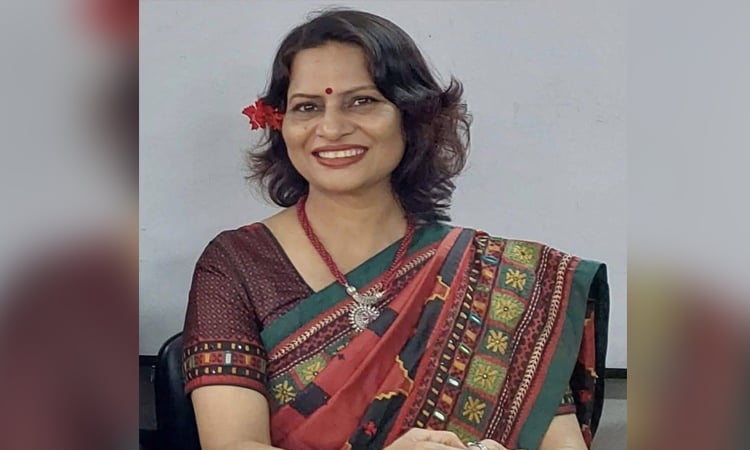
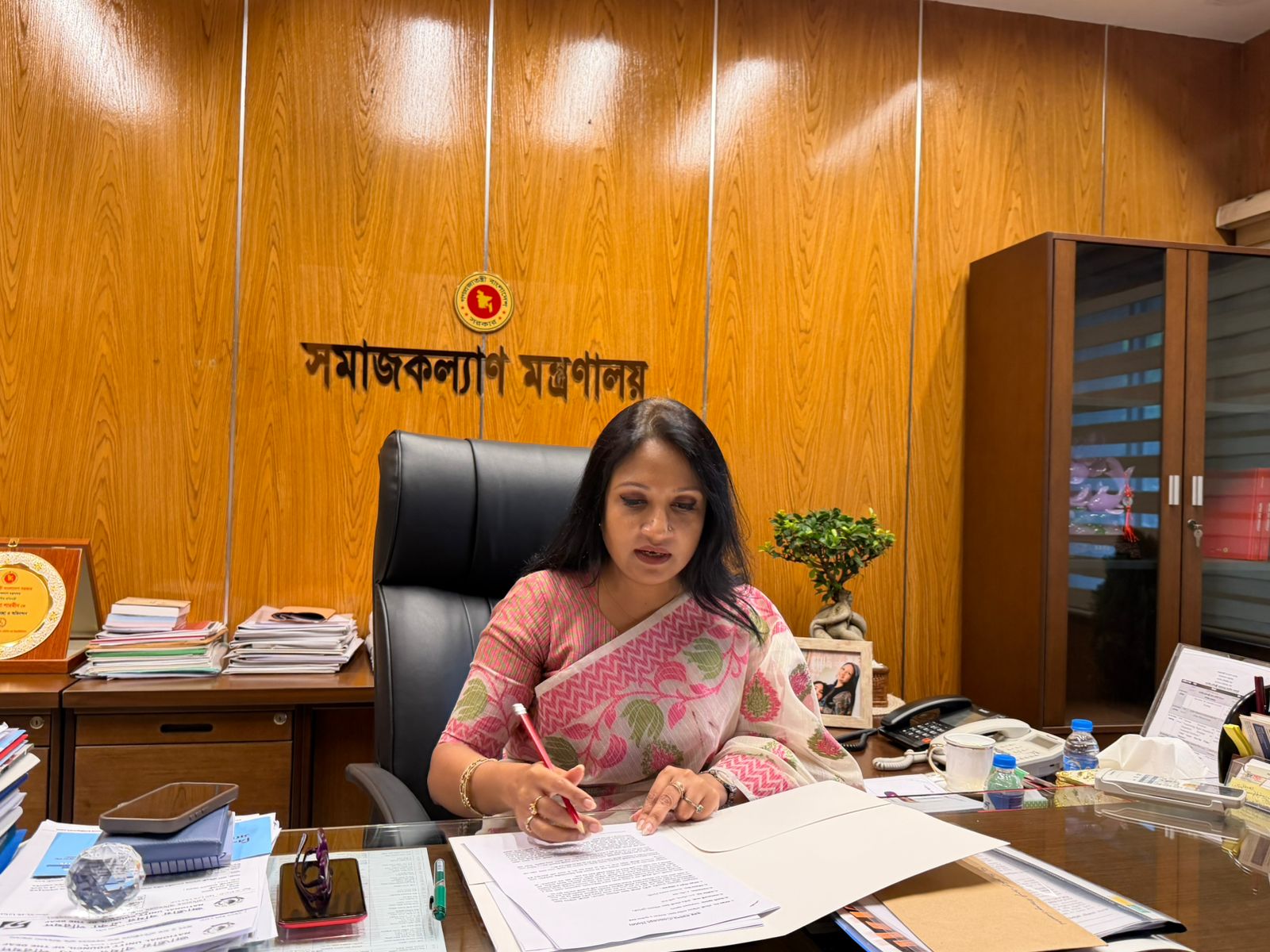
In an interview with BSS at her office in the Secretariat, State Minister for Social Welfare Farzana Sharmin explained the government’s new plan and the details of the “Family Card” programme.
She elaborated the current progress of the Family Card initiative, field-level experiences, and various aspects of the future master plan.
Regarding the target of providing Family Cards to 80,000 people by next June, the state minister said they are moving forward phase by phase and gradually. The pilot implementation of the Family Card programme will be completed by next June.
Pilot projects are conducted mainly through trial and error basis so that minor field-level mistakes can be identify and resolve permanently.
Speaking about the reactions of grassroots beneficiaries after receiving the cards, she said the beneficiaries are very happy to receive them.
However, since the cards are being distributed ward by ward, people in neighboring wards, unions, and upazilas have also developed a strong expectation when they will receive this benefit.
According to her, this huge demand itself proves that the flagship program is successfully achieving its goals.
By launching it at the very beginning of the government’s term, the administration has demonstrated its sincerity and commitment to implementing its election manifesto.
She said the main objective of the programme is ensuring that money reaches the rightful beneficiaries directly. To guarantee this, data verification is being carried out on regular basis.
On May 16, the Prime Minister inaugurated the second phase of the program from Chandpur, where Family Cards were launched in 20 more wards.
In June, the third phase will begin in another 18 upazilas, where beneficiaries will be selected from the grassroots and cards to be distributed accordingly.
The state minister said the government is working toward introducing a comprehensive “Social Card” system in Bangladesh similar to those in Europe or America.
As part of this, a family-based network called “Family Tree” will be established, through which it will be possible to identify what benefits each family receives from the state under a single digital ID, she added.
According to her, under this system, one individual will not be able to receive two allowances simultaneously. However, other family members’ necessary cards or disability allowances will remain active.
She further stated that the monthly allowance under the Family Card is 2,500 taka. Those currently receiving old-age or widow allowances of 500 or 1,000 taka must surrender those previous benefits if they wish to receive the new Family Card benefit.
Regarding future plans to integrate farmer cards, health cards, and all other social security cards, she said a national policy framework will be formulated to this end. In social reality, the same family may include a farmer, a pregnant mother, or a widow.
If, while issuing a Family Card, it is found that the eligible woman is already receiving widow or old-age allowance, then according to the rule against double booking, she must surrender the lower-value allowance card.
However, if her husband receives a farmer card or another family member receives disability benefits, those will remain active.
She added that the government wants to create a network involving all ministries so that with one click or one QR code, all beneficiary information becomes available, while the database remains directly connected with the National ID system.
If implemented successfully, the current irregularities involving allowances — where money meant for one person goes into another person’s account — can be completely eliminated.
Explaining the process of selecting eligible beneficiaries, the state minister said the system is being implemented entirely through a scientific method called the “Proxy Means Test” (PMT).
Under this method, applicants are scored based on indicators such as living standards, whether they have a television or refrigerator, and the condition of their house roof.
Only families classified as “extremely poor” with scores below 814 are being selected for this card.
Farzana further said that one of the key commitments in the government’s election manifesto is to make marginalized women economically self-reliant.
The main objective of the Family Card is therefore to increase the capacity of rural and underprivileged women by directly transferring money into their hands, she said.
Regarding some isolated complaints at the field level concerning the Family Card program, the State Minister issued a strong warning, saying the very purpose of piloting is to identify problems.
Wherever allegations of irregularities or people taking money in the name of providing cards are found, immediate legal action will be taken, she said. Recently, one individual in the northern region was handed over to the police.
No middlemen between the government and beneficiaries will be tolerated, and the government remains firmly committed to a zero-tolerance policy on this issue.