Monday
24 August, 2026
News Flash
News Flash
By Moshtak Ahmad
DHAKA, April 27, 2026 (BSS) - The government plans to reclaim large amounts of unused and illegally occupied government land as part of a broad reform initiative aimed at modernising its land administration system and improving transparency.
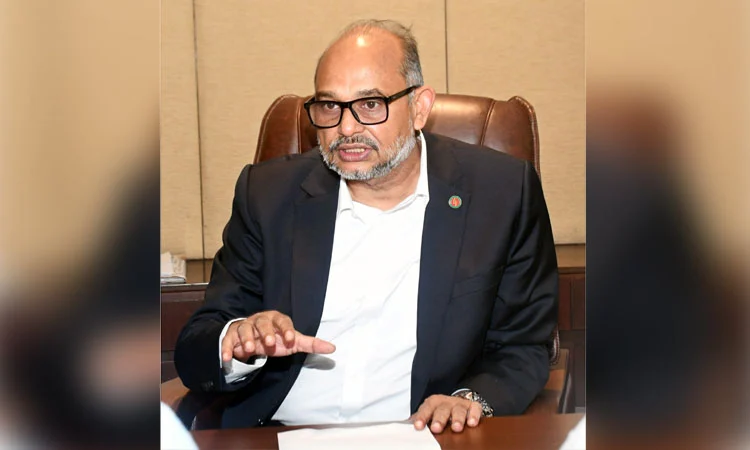
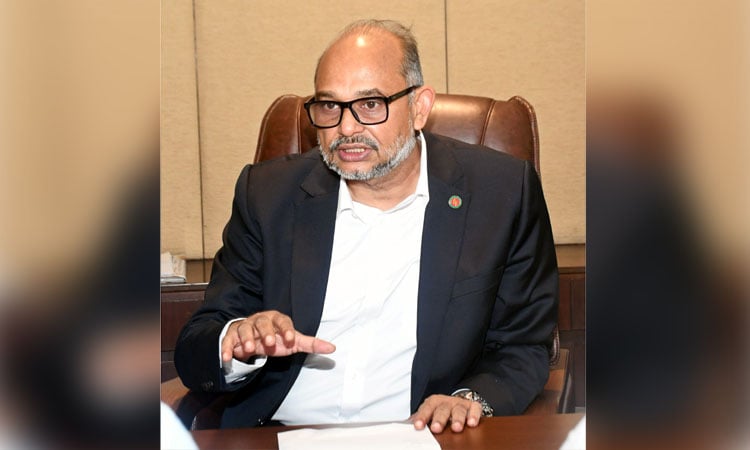
Land Minister Md. Mizanur Rahman Minu said authorities are identifying idle land owned by state agencies, including railways and road authorities, to either bring it into use or recover it.
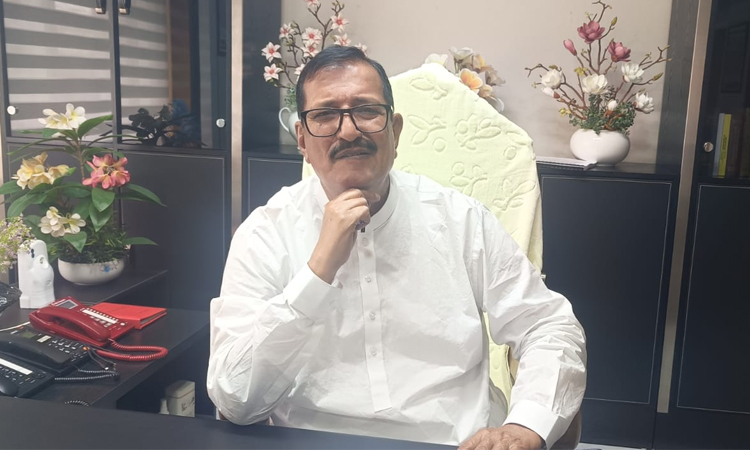
“A significant amount of land remains unused. We are identifying these lands and will reorganise them based on necessity,” he said in an interview at his office in the Secretariat.
He added that land illegally occupied by individuals or institutions would be recovered through legal action.
According to official estimates, out of approximately 62,000 acres of railway land, about 8,554 acres remain unused, around 6,754 acres are under illegal occupation, and more than 14,000 acres have been leased.
The initiative is part of a wider effort to reform a land management system long criticised for inefficiency, corruption and outdated structures dating back to the colonial era.
The Minister said the government is also considering bringing the land registration process under the Ministry of Land to streamline services and reduce fraud. An inter-ministerial committee has been formed to examine the proposal.
“The separation of registration and mutation creates opportunities for fraud. Integrating these services will make processes easier and reduce corruption,” he said.
A key component of the reform is the introduction of digital land management. Pilot projects for digital surveys have already been launched and are expected to be expanded nationwide.
Minu said digitalisation would help ensure rightful ownership, reduce disputes and eliminate long-standing irregularities.
“Through digital systems, we can build a transparent and citizen-friendly land administration,” he added.
He noted that many existing laws and administrative practices still reflect structures introduced during British rule, contributing to complexity and public confusion.
“We are working to change that legacy and create a system people can understand and trust,” he added.
The minister said the government’s goal is to provide services rather than exert control, highlighting measures such as call centres, online platforms, public awareness campaigns and action against intermediaries.
“We want citizens to access land services directly, without middlemen,” he said.
Protecting agricultural land remains a major challenge, as farmland is increasingly being converted for non-agricultural use, posing risks to food security.
“We have enacted a law to protect agricultural land. No one will be able to arbitrarily convert farmland for construction,” he said.
He also warned about the rapid use of modern excavation equipment to dig ponds, which is contributing to the destruction of farmland and harming the environment.
Authorities are working with relevant ministries to address the issue and plan to introduce stricter controls, he said.
Acknowledging past irregularities and corruption in field-level administration, the minister said the government is taking a stricter approach aiming to introduce binding legal measures through parliament.
“We will ensure compliance through law so that directives cannot be ignored,” he said.
Reforms are also under consideration for land development taxes, which he said are no longer aligned with current economic conditions. Any revision will take public opinion into account, he added.
The government is also working to ensure fair access to public water bodies for genuine fishermen, with steps taken in some areas to prioritise them in leasing arrangements.
To strengthen oversight, members of parliament have been tasked with monitoring land management in their constituencies and reporting irregularities to the ministry.
Minu acknowledged the complexity of the sector but expressed optimism that visible improvements would emerge soon.
“Our goal is to ensure people’s rights and prevent harassment over land issues,” he said, adding, “With transparency, technology and public participation, we can build a modern and effective land administration system.”