Sunday
13 September, 2026
News Flash
News Flash
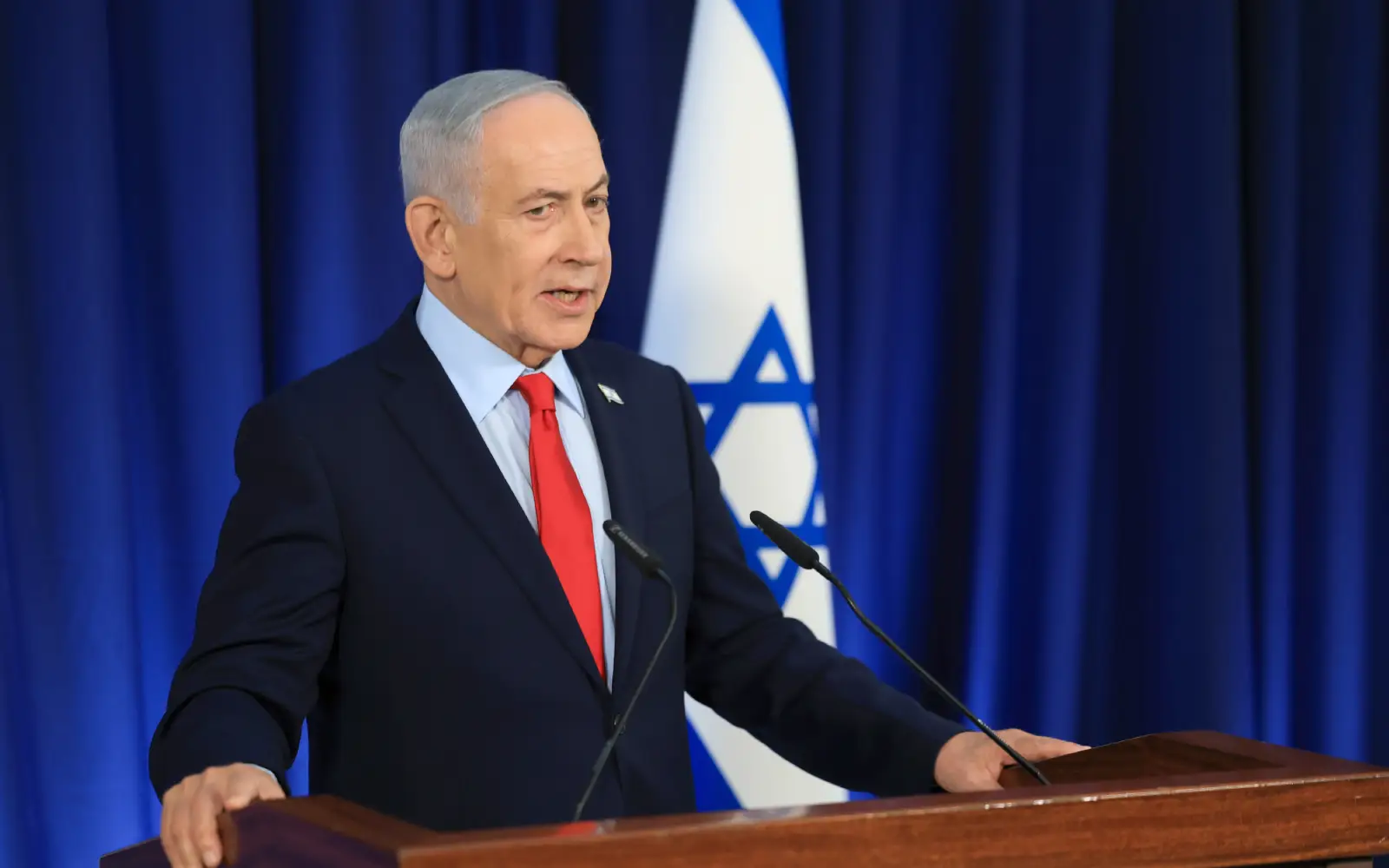
JERUSALEM, April 9, 2026 (BSS/AFP) - Israeli Prime Minister Benjamin
Netanyahu said Thursday he ordered his cabinet to open direct talks with
Lebanon to disarm Hezbollah and establish "peace relations" between the two
countries.
"In light of Lebanon's repeated requests to open direct negotiations with
Israel, I instructed the cabinet yesterday to begin direct negotiations with
Lebanon as soon as possible," his office wrote in a statement.
"Negotiations will focus on disarming Hezbollah and establishing peace
relations between Israel and Lebanon. Israel appreciates today's call by the
Prime Minister of Lebanon to demilitarise Beirut," the press release added.
Israeli media outlets reported that Yechiel Leiter, Israel's ambassador to
the US, would represent the country in the talks.
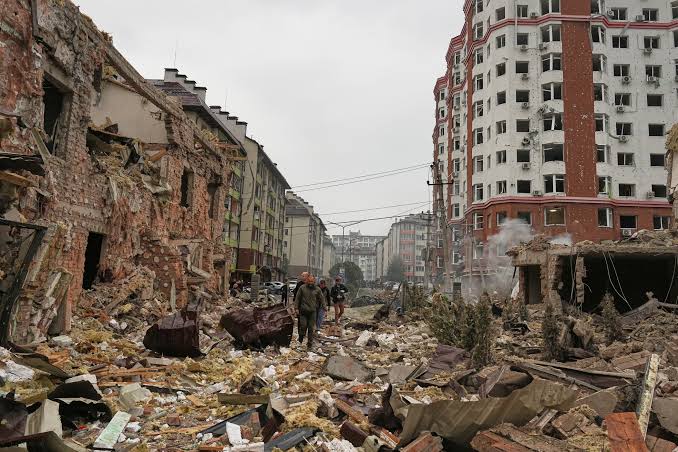
The statement came one day after Israel launched its largest wave of strikes
on Lebanon since the start of its war with Hezbollah on March 2, leaving more
than 200 people dead.
Lebanon's cabinet on Thursday instructed security forces to restrict weapons
in Beirut exclusively to state institutions, in a warning to Hezbollah.
"The army and security forces are requested to immediately begin reinforcing
the full imposition of state authority over Beirut Governorate and to
monopolise weapons in the hands of legitimate authorities alone," Prime
Minister Nawaf Salam said at the end of a cabinet meeting.
The Lebanese government banned Hezbollah's military activities at the
beginning of March, shortly after the start of war with Israel, but the
decision has not stopped the Iran-backed group from conducting military
operations.
Beirut had also committed in 2025 to disarm the group, the only one to keep
its weapons after Lebanon's 1975-1990 civil war.
In December, Lebanese and Israeli civilian representatives held their first
direct talks in decades, part of a ceasefire monitoring mechanism.
Before then, Israel and Lebanon, which have no formal diplomatic relations,
had insisted on keeping military officers in the role.