Monday
10 August, 2026
News Flash
News Flash
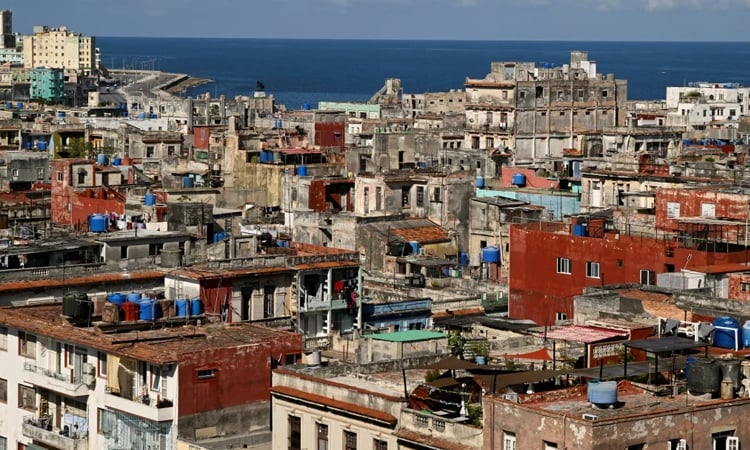
HAVANA, Jan 17, 2026 (BSS/AFP) - Cuba, which US President Donald Trump has threatened to cut off from its main oil supplies, generated only half of the electricity it needed in 2025, according to official statistics analyzed by AFP.
The communist island is in the throes of its worst economic crisis in decades, marked by recurring power outages of up to 20 hours a day and shortages of food and medicine that have created a mass exodus of Cubans.
The country's electricity demand during peak hours is about 3,300 megawatts (MW).
But between January 1 and December 31 last year, Cubans faced an average shortfall of about 49.8 percent -- a situation unchanged in the first two weeks of 2026, the figures showed.
For the past six years, Cuba has been mired in an ever-deepening crisis, caused by a toxic combination of tighter US sanctions, poor domestic economic management and the collapse of tourism due to the Covid-19 pandemic.
A severe shortage of hard currency has left the government struggling to import the fuel needed to power its electricity plants.
The installation of some 40 Chinese-funded solar farms has yet to alleviate the situation.
Solar power production grew tenfold in 2025, from 300-400 MW hours (MWH) in March to over 3,000 MWH by the end of December.
But the electricity can only be used while the sun is shining and not at night, when demand peaks.
The power shortages could worsen if Trump implements his threat to cut off all oil and money flowing to the island following the overthrow of Venezuela's Nicolas Maduro.
Socialist Venezuela has been the main supplier of heavily subsidized oil to its ideological ally since 2000.
The volumes sent have plummeted, however, in the last decade of economic crisis in Venezuela.
Cuba's electricity production has also been affected by the dire state of repair of its ageing power plants.
The government argues that a six-decade-old US embargo prevents it repairing its creaking electricity network, but economists also point to a chronic lack of state investment in the sector.