Tuesday
07 April, 2026
News Flash
News Flash
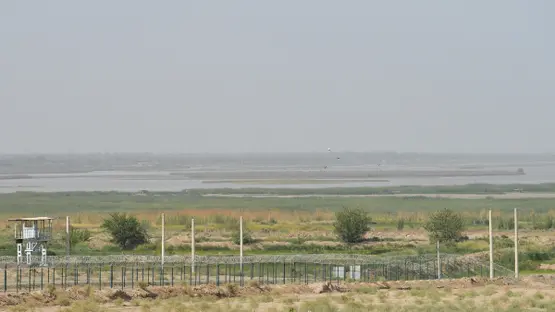
TASHKENT, Uzbekistan, Dec 3, 2025 (BSS/AFP) - Uzbekistan has fully reopened its only border crossing with Afghanistan, which had been closed to travellers since the Taliban took power in 2021, as it seeks to foster trade links with its neighbour.
The five former Soviet republics of Central Asia -- Uzbekistan, Kazakhstan, Kyrgyzstan, Tajikistan and Turkmenistan -- had feared the Taliban takeover would lead to the spread of radical Islamism in the region.
But four years after the Taliban seized power, economic cooperation is overriding their initial security concerns.
"The Termez-Hairatan bridge crossing point, linking Uzbekistan and Afghanistan, is operational again. Travellers can now travel directly and safely between the two countries," the Uzbek Chamber of Commerce and Industry said on Tuesday.
It added that the visa regime between the two countries remained in place.
The government body said shutting the border had forced people to take a detour via Tajikistan in order to reach the major Afghan city of Mazar-e-Sharif, only 75 kilometres (46 miles) from the Uzbek border.
Its reopening "will greatly facilitate the operations of exporting companies", the chamber said, hailing "the steady growth of exports to Afghanistan in recent years".
While border crossings had been prohibited for private individuals since August 2021, goods could still be traded across the border to a limited extent.
Afghans could also travel without a visa to the Uzbek free-trade zone of Airitom, built to boost trade.
The commerce chamber told AFP on Wednesday that the border had been reopened since November 23.
The Amu Darya river marks the border between the two countries.
The only crossing point is located near the city of Termez, on the Friendship Bridge, through which the Soviet army withdrew from Afghanistan in 1989, as did some Afghan soldiers fleeing the Taliban advance in 2021.
Central Asian countries are launching major infrastructure projects, such as railways, to gain access to the sea via Afghanistan, a relationship that has benefited the Taliban, which relies on Central Asia for Afghanistan's food and energy security.