Monday
24 August, 2026
News Flash
News Flash
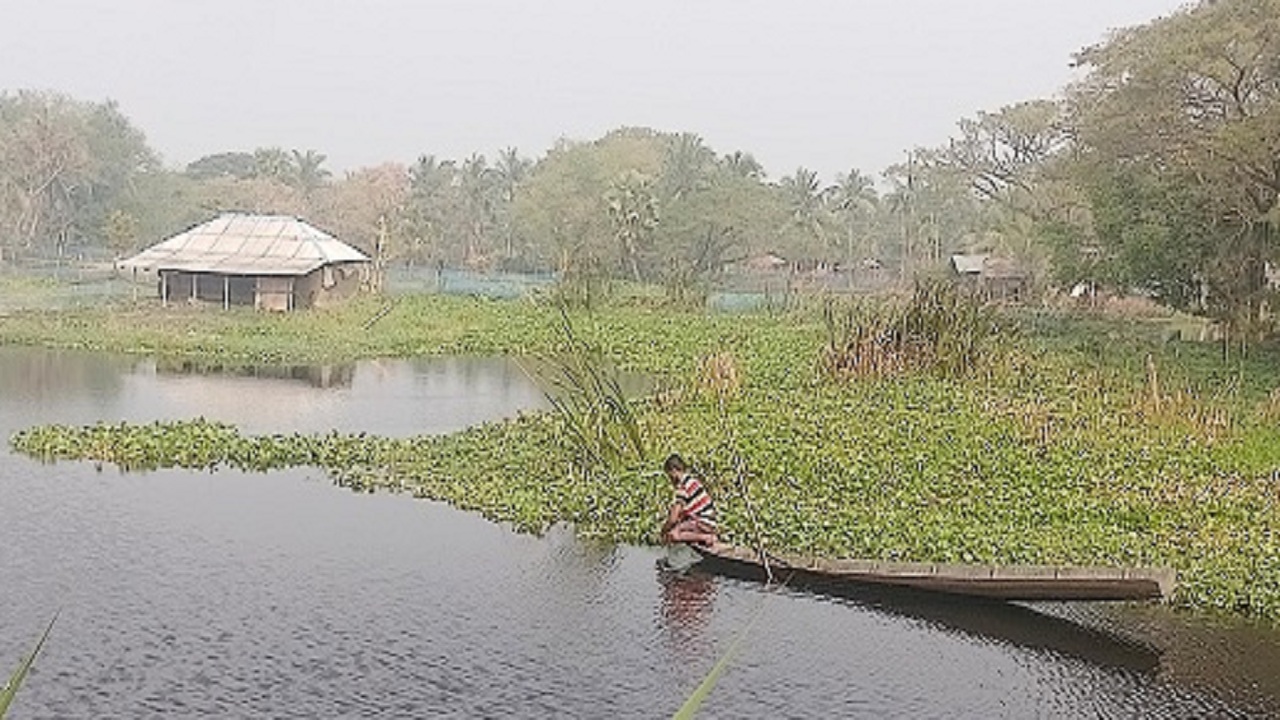
KHULNA, May 12, 2026 (BSS) - Natural disasters are causing year-round damage to agriculture in Khulna. This season, intense heatwaves and cold spells created irrigation shortages for Boro seedbeds and vegetable cultivation.
The Department of Agricultural Extension has identified 15 major causes behind waterlogging that is damaging crops and creating public suffering across eight upazilas of the district.
Around 10,000 hectares of land are affected, causing crop losses estimated at nearly Tk 100 crore.
According to local sources, the Boro season began with severe cold waves that dried up seedbeds in Dumuria, Phultala, and Terokhada.
Later, sudden rainfall at the end of April and beginning of May caused major damage to Boro fields and watermelon farms in Dacope. Even moderate rainfall damaged Boro crops in many areas.
A February survey conducted by the Department of Agricultural Extension in Khulna found that 1,178 hectares of land remain permanently waterlogged, while heavy rainfall creates temporary waterlogging on another 8,586 hectares in areas including Lobonchora and eight upazilas.
The affected upazilas are – Rupsha, Batiaghata, Dighalia, Phultala, Dumuria,Terokhada,Paikgacha and Koyra.
The survey identified several reasons behind the waterlogging crisis, including obstruction to drainage along the main road from Dighir Par in Lobonchora to the Gollamari block, reduced water flow in the Atharobaki River in Rupsha, siltation and reduced depth of Nornia Beel, unplanned shrimp enclosures and reduced flow in canals
The DAE also identified additional causes which include heavy rainfall and tidal water in Dighalia, inability to drain water quickly through sluice gates in Batiaghata, lack of drainage facilities in southern Phultala during early rains, heavy rainfall and poor drainage from low-lying lands in Dumuria, lack of canal excavation in Bhutiar Beel of Terokhada for many years, filled-up canals and poor sluice gate management in Paikgacha, failure to reopen government-owned canals, increased rainfall compared to previous years and filled-up Chhoto Chandkhali Canal and poor drainage in Koyra.
According to the Bangladesh Water Development Board, 12 rivers in the district are facing an existential crisis, with a combined length of 369 kilometers.
These include, Sholmari, Hamkura, Hari River, Bhadra, Upper Salta, Chitra, Part of the Shibsa River, Atharobaki, Kopotakkho, Shakbaria, Koyra River and Moyur River.
During the monsoon season, these rivers fail to properly carry excess water away from surrounding areas.
Another source said the construction of the Batiaghata Bridge reduced the flow of the Kajibacha River, worsening waterlogging in nearby villages during the rainy season.
Speaking on the issue, Additional Deputy Director of the Khulna Agricultural Extension Department, Subir Kumar Biswas told BSS, at least 15 causes including unplanned housing, shrimp enclosures, low-lying lands, and filled-up canals are among the major causes of waterlogging.
He added that canal excavation has begun in Beel Dakatia, widely known as the “curse” of Dumuria and Phultala.
Due to waterlogging, vegetable farming is nearly becoming impossible in many low-lying areas of these upazilas, and early rains often destroy vegetable fields in southern Dumuria.
Subir Kumar Biswas also said that farmers in Dacope are moving away from watermelon cultivation because of natural disasters, rising agricultural input costs, and unstable market prices.
In 2023, hailstorms caused severe damage to watermelon farms in Banishanta.
Terokhada Upazila Agriculture Officer Shiuly Majumdar said water cannot drain quickly from low-lying lands in Sachiadah, Chagladah, and Terokhada unions. Around 100 hectares of land in Bhutiar Beel now suffer from permanent waterlogging because the area is naturally low-lying.
She said re-excavation of canals and proper operation of sluice gates would help restore natural drainage and increase the amount of cultivable farmland.