Wednesday
03 June, 2026
News Flash
News Flash
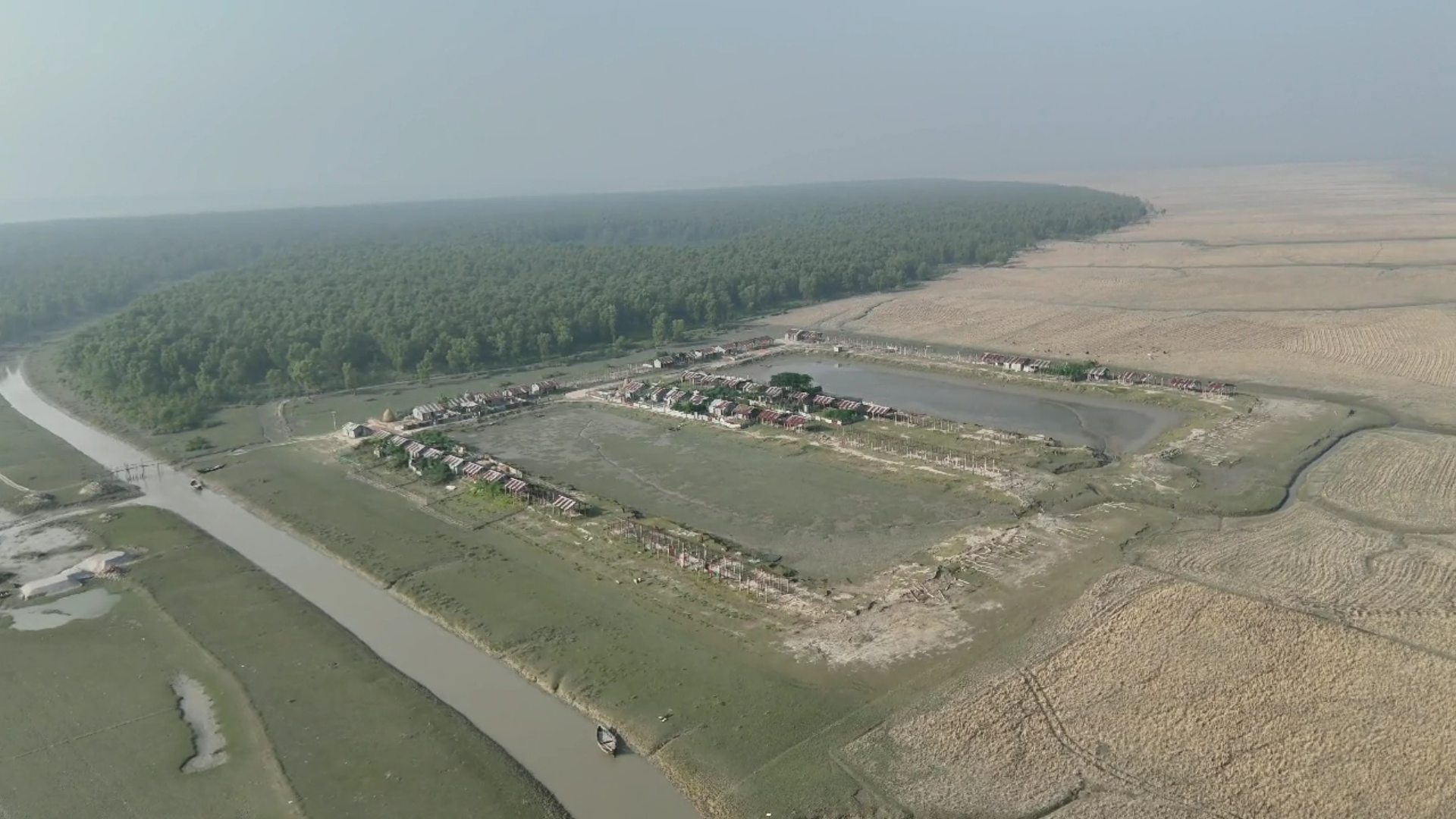
NOAKHALI, Dec 29, 2025 (BSS) - Residents of Char Ataur, an isolated riverine island under Hatia upazila in Noakhali district, are suffering from serious health problems due to an acute shortage of safe drinking water.
Char Ataur, located on the banks of the Meghna River, is home to people displaced by river erosion over the years. Despite being surrounded by river water, the char’s inhabitants struggle daily to access potable water as the river water is highly saline.
According to local sources, around 400 families live in the char, which includes two cluster villages—Tarubithi and Chhayabithi—and a shelter project.
Although the government had excavated two large ponds in the area a few years ago, repeated natural disasters and abnormal tidal surges damaged the embankments. River water entered the ponds, causing heavy siltation, and eventually the ponds became flat and unusable.
Four deep tube wells were also installed at different times by various organizations. However, three of them are now completely damaged, while the remaining one has become unusable due to lack of maintenance.
As a result, residents are forced to depend on saline river water or water collected by digging shallow holes in the ground near their homes. This water is used not only by people but also by domestic animals and birds.
During a visit to the char, it was seen that women were using water from these ground holes for washing utensils, cooking and household chores. Long-term consumption and use of brackish water have led to widespread skin diseases, allergies and other health complications among residents.
Local people said the char emerged about 15 to 20 years ago, but permanent settlement began around seven years ago.
Initially, about 200 people lived there, but the population has now grown to nearly 2,000. With the dry winter season underway and no rainfall expected, residents fear the water stored in the ground holes will soon dry up, worsening the crisis.
“We struggle with water all year round,” said Al Amin, a resident of Char Ataur. “Even though water surrounds us, we don’t get clean water for drinking or daily use. Continuous use of saline water has caused skin diseases among most people here.”
Joynal Mia blamed poor maintenance for the situation. “If the pond embankments had been repaired on time, this crisis could have been avoided. Drinking saline water has affected our health and even the taste of our food—everything feels salty now,” he said.
Roksana Khatun, who has lived on the char for seven years, said women and children suffer the most. “Earlier, there were ponds and tube wells. Now we have nothing. We use water from holes for drinking and toilets.
We can’t even bathe every day, and the suffering will increase during summer,” she said.
A teenage girl, speaking on condition of anonymity, said the water crisis has created severe personal and health challenges.
“Even during emergencies, we have to fetch water from far away. Using this water has caused skin problems, but due to shame and lack of medical facilities, I cannot even seek treatment,” she said.
Residents unanimously demanded urgent intervention, including re-excavation of the silted ponds and installation of new deep tube wells, to ensure access to safe water.
Hatia Upazila Nirbahi Officer (UNO) Md Alauddin said the administration is aware of the problem.
“We are working on various issues of the landless people living in Char Ataur. There is a shortage of drinking water, and we are planning to excavate a new pond. We are also examining the possibility of re-excavating the old ponds,” he said.