Friday
04 September, 2026
News Flash
News Flash
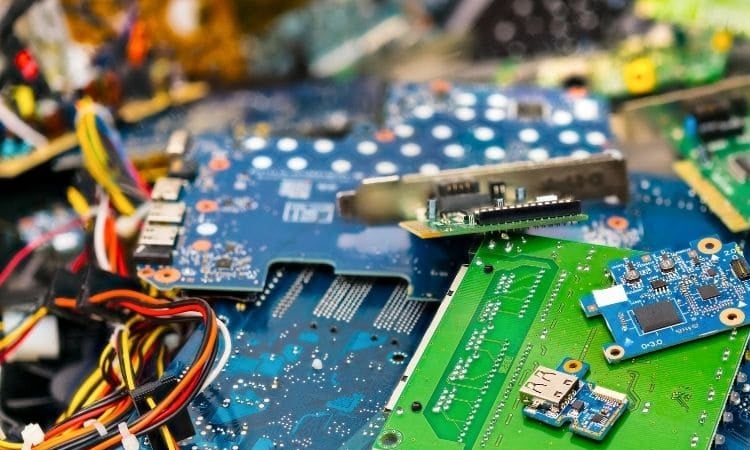
DHAKA, July 27, 2026 (BSS) – Digital rights watchdogs and experts on electronics today said Bangladesh could fetch over US200 million from an estimated 3 million tonnes of electronic wastes annually through coordinated efforts of agencies concerned and enforcement of the existing laws.
“The country's electronic waste contains recoverable resources worth an estimated US$ 200-221 million annually,” said Musharrat Mahera of Voices for Interactive Choice and Empowerment (VOICE) at a policy dialogue in the capital.
Mahera, who serves as deputy director of the digital rights-cantered research group said their assessment found Bangladesh every year generates some 3 million tonnes of electronic waste having high recovery values but less than 10 percent of the e-wastes are recycled.
VOICE along with its mother organization Association for Progressive Communications (APC) staged the event titled "Electronic Waste Management in Bangladesh: Reality and Way Forward" at the YWCA auditorium in the capital.
The event was told VOICE carried out its assessment in entities which were registered with the Department of Environment (DoE) and found none to have collected end-of-life electronic products during the last fiscal year.
The group said the scenario also indicated weak enforcement of the Hazardous Waste (E-Waste) Management Rules, 2021.
Bangladesh University of Engineering and Technology (BUET) Professor Dr. Rowshan Mamtaz told the dialogue Bangladesh nodded a strategic waste management system particularly through allocation of responsibilities within DoE.
Managing Director and Chief Executive of Change Initiative Zakir Hossain Khan called for a comprehensive monitoring and tracking system for electronic products and urged the private sector to adopt “circular economy practices”.
The idea suggests more focus on reducing, reusing and recycling for keeping materials and products in use for as long as possible, discarding the traditional "take-make-waste" linear model.
Directorate General of Health Services (DGHS) consultant on medical waste Tarit Kanti Biswas emphasised the importance of primary data collection and coordinated action among all stakeholders.
VOICE Executive Director Ahmed Swapan Mahmud, who chaired the event, urged the government to establish a clearer institutional framework for e-waste management to transform electronic waste into a valuable resource.
Representatives from government agencies, civil society organisations, recycling companies and the media attended the dialogue.
Electronic device producers and consumers generally attribute rapid technological advances, planned obsolescence, and high consumer demand to be causing higher volume of e-waste globally as new gadgets launch every year, older devices quickly become obsolete while it is often cheaper to buy a new product than to repair a broken one.