News Flash

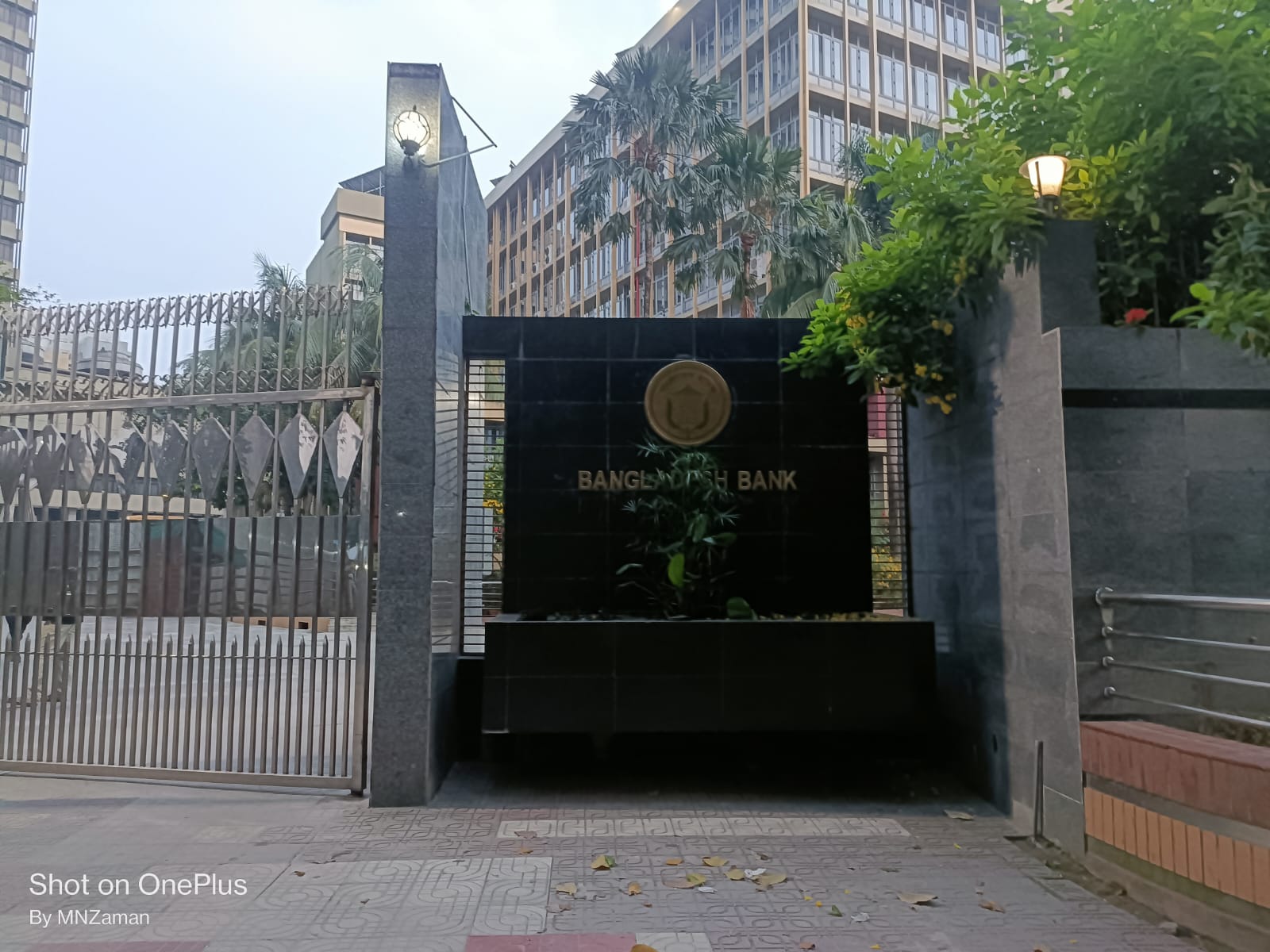
DHAKA, June 23, 2026 (BSS) - Bangladesh Bank (BB) has introduced a new
account facility, the Non-Resident Convertible Taka Account (NRCTA), aimed at
encouraging greater participation of Non-Resident Bangladeshis (NRBs) in the
country's economy by providing a flexible and fully repatriable investment
and savings platform.
The central bank today issued the directive under the provisions of the
Offshore Banking Act, 2024 and the Foreign Exchange Regulation Act, 1947.
The new regulations came into effect immediately.
Under the circular, NRBs will be allowed to open and maintain NRCTAs with
Offshore Banking Units (OBUs) of scheduled banks in Bangladesh.
The accounts may be operated as savings, current or fixed deposit accounts
and will carry market-based interest or profit rates while being denominated
in local currency.
The initiative is intended to broaden offshore banking operations, facilitate
foreign exchange inflows and create additional avenues for NRBs to invest and
manage funds in Bangladesh while retaining the right to convert and
repatriate their money abroad, the BB said.
The central bank specified that funds credited to NRCTAs may originate from
inward remittances, transfers from foreign currency accounts maintained by
non-residents, transfers from other NRCTAs, accrued interest or profits, and
repatriable proceeds from foreign direct investment, portfolio investment and
other Bangladesh Bank-approved investments.
Refunds of share subscriptions and other authorized payments may also be
credited to the accounts.
According to the circular, both the principal amount and accrued earnings
held in NRCTAs will be freely repatriable.
Account holders will be able to use the funds for legitimate local payments,
transfers to other non-resident accounts, conversion into foreign currency
accounts, and investments in shares and other approved investment
instruments.
In a significant move, the central bank has authorized OBUs to utilize Taka
deposits mobilized through NRCTAs for providing Taka-denominated loans to
Type A industrial enterprises operating in Export Processing Zones (EPZs),
Economic Zones (EZs) and Hi-Tech Parks.
The financing will be limited to current account expenditures such as
salaries, wages and utility bills, while loan repayments must be made
exclusively from export proceeds.
The circular also permits Domestic Banking Units (DBUs) to extend loans
against NRCTA deposits kept under lien for personal and business purposes.
However, such financing cannot be used for relending, agricultural or
plantation activities, or real estate business ventures.
Eligible uses include non-repatriable direct investments in Bangladesh and
the purchase of residential property for the account holder's own use.
Bangladesh Bank imposed strict safeguards, stating that no direct or indirect
foreign exchange benefit may be provided to a depositor in exchange for
pledging NRCTA deposits.
Repayment of loans secured against these deposits must be made either through
adjustment of the pledged deposits or through fresh inward remittances routed
via formal banking channels.
To ensure transparency and financial discipline, the central bank directed
banks to maintain separate accounting of funds mobilized through NRCTAs and
comply fully with Know Your Customer (KYC), Anti-Money Laundering and
Combating the Financing of Terrorism (AML/CFT) requirements, as well as
applicable tax regulations.
The circular also encourages digital banking services, asking OBUs to
facilitate online account opening and electronic banking facilities.
Banks intending to launch such services will be required to inform Bangladesh
Bank about their product features and risk management arrangements
beforehand.
The directive was signed by Md. Harun-Ar-Rashid, Director of the Foreign
Exchange Policy Department-1 (FEPD-1) of Bangladesh Bank.