Tuesday
21 July, 2026
News Flash
News Flash
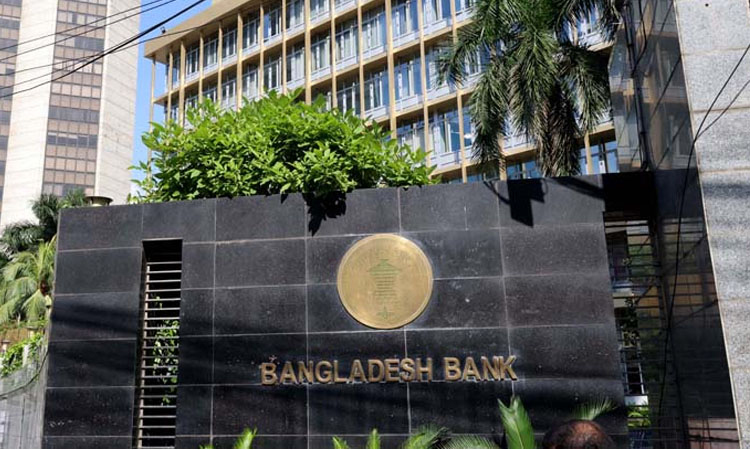
DHAKA, June 20, 2026 (BSS) - Bangladesh Bank (BB), in collaboration with the International Finance Corporation (IFC) and the Facility for Investment
Climate Advisory Services (FIAS), has organized a three-day workshop on Risk-Based Supervision (RBS) to enhance the capacity of bank supervisors and
strengthen the resilience of the country's banking sector.
The workshop, being held from June 19 to 21 at Grand Sultan Tea Resort and Golf in Srimangal, brought together around 160 officials from Bangladesh
Bank, including Executive Directors, Directors, and supervisory staff from 19 regulatory and supervisory departments, said a press release here.
Deputy Governor Md. Jakir Hossain Chowdhury inaugurated the programme as the chief guest while Deputy Governor Dr. Md. Kabir Ahmed attended as special
guest.
Representatives and technical experts from the World Bank, IFC and FIAS also participated in the event.
Speaking at the inauguration, Jakir Hossain Chowdhury stressed the importance of coordinated efforts to transform Bangladesh Bank into a more effective,
forward-looking and credible institution through the successful implementation of Risk-Based Supervision.
Dr. Kabir Ahmed highlighted the need for professional integrity, technical expertise and a strong commitment to supervisory excellence to ensure the
effectiveness of the RBS framework.
The workshop featured eight technical sessions, case studies and panel discussions focusing on key aspects of modern banking supervision.
Discussions covered the progress of RBS implementation since its launch in January 2026, methodologies for determining composite risk ratings,
modernization of onsite and offsite supervision, data quality management and supervisory intervention frameworks.
A major focus of the programme was the Prompt Corrective Action (PCA) framework, which is designed to enable regulators to identify emerging risks
early and take timely measures to address weaknesses in financial institutions before they pose broader systemic threats.
Participants also received practical training on preparing essential supervisory documents, including bank profiles, risk profiles, scope
documents and model risk assessment reports.
The sessions emphasized a transition from traditional compliance-based supervision to a more risk-focused approach supported by qualitative and
quantitative analysis.
According to Bangladesh Bank, the initiative aims to establish a unified risk-based supervisory framework that strengthens coordination among
supervisory teams and promotes data-driven decision-making.
The central bank expects the reforms to improve governance, risk management and overall financial stability, while enhancing its ability to detect and
respond to emerging risks in the banking sector.