BSS
  16 Jun 2026, 09:45

Bank of Japan seen hiking rate to highest since 1995

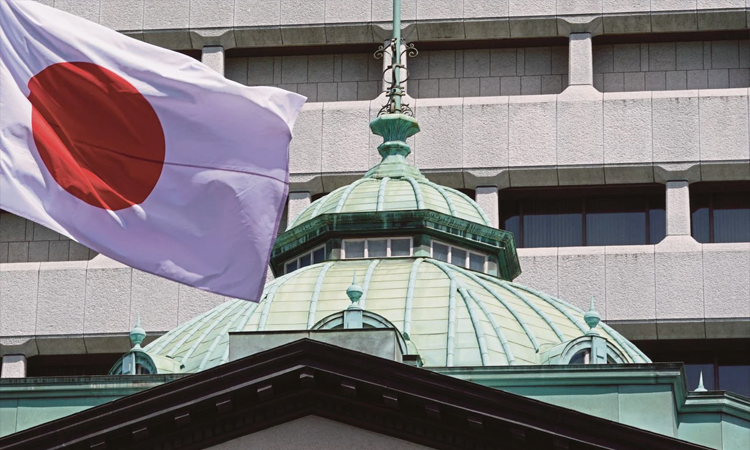
TOKYO, June 16, 2026 (BSS/AFP) - The Bank of Japan is widely expected to hike interest rates to a 31-year high on Tuesday as it battles inflation caused by the Middle East War, even after Washington and Tehran agreed a peace deal.

The central bank for the world's fourth-largest economy is projected to hike its benchmark rate for the first time since December to 1.0 percent, the highest since 1995.

The decision, expected to be announced at around midday (0300 GMT), will come after the European Central Bank and Bank Indonesia announced increases last week.

With US inflation at a three-year high, expectations are growing that the Federal Reserve will follow suit, albeit not at new boss Kevin Warsh's first rate-setting gathering this week.

Officials at the Reserve Bank of Australia and Bank of England are also tipped to stand pat when they decide over the coming days.

The United States and Iran agreed a deal at the weekend to end their three-month Middle East war on all fronts and reopen the Strait of Hormuz, through which about a fifth of world oil passes.

The accord is set to be signed in Switzerland on Friday.

However, it will likely take considerable time for trade flows to return to normal and for supply bottlenecks that have caused global economic turmoil to ease.

Japan relied on the Middle East for around 90 percent of its crude supplies before the war began on February 28.

Its problems have been exacerbated by a falling yen, caused by the rise in oil prices and the gap between US and Japanese interest rates.

The government spent around 11.7 trillion yen ($72 billion) last month propping up the currency.

The BoJ "can't delay increasing its policy rate", said Shigeto Nagai, head of Japan economics at Oxford Economics.

"Doing so would disappoint financial markets and invite further yen depreciation," he said in a note.

Market focus will also be on an announcement regarding winding down the bank's bond-buying programme, which is used to keep a lid on borrowing costs.

BoJ deputy governor Shinichi Uchida is slated to address the media on Tuesday afternoon after the rate decision, filling in for governor Kazuo Ueda, who is in hospital.

The bank seems to believe that downside risks have diminished for its economic forecasts while also seeing a chance that underlying inflation could continue to rise, Ryutaro Kono, chief economist at BNP Paribas, said before the decision.

Japan's domestic demand remains well supported thanks to government measures, including subsidies for gasoline and energy purchases, Kono said.

He added that the BoJ might also try to avoid appearing too eager to hike rates more "because adopting an overly aggressive stance on rate hikes could lead to friction with the administration" of Prime Minister Sanae Takaichi.

But this could stoke dissent within the BoJ. Three of its nine board members voted against keeping rates unchanged at its previous meeting.