Tuesday
21 July, 2026
News Flash
News Flash
HONG KONG, June 11, 2026 (BSS/AFP) - Fresh worries about the Middle East ceasefire and the prospect of a US interest rate hike hit stocks and oil prices Thursday, following a rollercoaster week for markets that has sent shivers through trading floors.
Investors took a little heart from closely watched data Wednesday that showed May US inflation had come in around expectations but still hit a more than three-year high as fuel costs surge owing to the Iran war.
The reading came days after figures showing a forecast-busting jump in jobs creation last month ramped up bets on the Federal Reserve hiking interest rates for the first time since 2023.
Attention will now turn to the Fed's next policy meeting in a week's time, and while new chief Kevin Warsh is unlikely to make a hike his first act, observers said futures markets suggest a move up could come before the end of the year.
"Overall (the inflation report) was not as bad as it could have been and core was a little lighter than expected so the market is seeing this as a positive," Neil Wilson, Saxo investor strategist said.
"This could re-anchor expectations a touch for a bit but I still think that the Fed is swinging more quickly behind a hike than it might have done or markets might think.
"Time is growing short and even if it could have been a hotter read, headline CPI above four percent against a really strong labour market clearly deserves attention from the Fed."
The prospect of higher borrowing costs once again hurt tech firms, which tumbled on Wall Street, where the Nasdaq sank two percent and the S&P 500 shed almost as much.
Seoul -- at the forefront of the region's tech-led rally to record highs -- shed more than one percent, having seen wild swings over the previous two days.
Tokyo, Hong Kong, Shanghai, Singapore, Sydney, Wellington and Taipei were also down.
A series of fresh US military strikes on sites in Iran, on top of those carried out Tuesday for the downing of a helicopter, added to the sense of unease among investors.
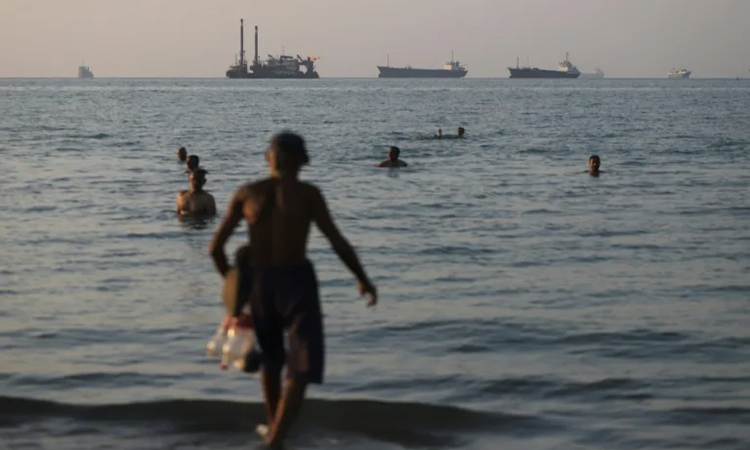
They led Tehran to hit back at US targets in the Middle East, saying it will target any ship going through the Strait of Hormuz.
And while US Central Command said it had completed its strikes, the latest increase in attacks fuelled concerns about their shaky truce and attempts to reach a peace deal to reopen the Strait and allow crude ships to pass again.
The second day of US strikes followed Donald Trump's complaint that Tehran's negotiators were taking too long and "playing us for suckers". Earlier this week he had suggested a peace accord was just days away.
"We hit them hard yesterday. We're going to hit them again hard today," the US president told reporters Wednesday morning. "We were really close to a deal, but they keep tapping us along."
Oil prices jumped as much as two percent Thursday, extending similar gains the day before.
Tokyo - Nikkei 225: DOWN 1.5 percent at 63,239.52 (break)
Hong Kong - Hang Seng Index: DOWN 1.2 percent at 24,105.73
Shanghai - Composite: DOWN 0.6 percent at 3,969.31
Euro/dollar: UP at $1.1551 from $1.1545 on Wednesday
Dollar/yen: DOWN at 160.50 yen from 160.52 yen
Euro/pound: DOWN at 86.30 pence from 86.31 pence
West Texas Intermediate: UP 2.0 percent at $91.84 a barrel
Brent North Sea Crude: UP 1.7 percent at $94.68 a barrel