Wednesday
22 July, 2026
News Flash
News Flash
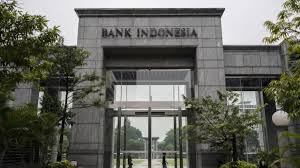
JAKARTA, June 9, 2026 (BSS/AFP) - Indonesia's central bank announced a surprise 25-basis-point interest rate hike Tuesday, citing "high global volatility" and concerns over currency stability.
More than a week before its next monthly monetary policy meeting, officials lifted borrowing costs to 5.5 percent, following an unexpected 50-point increase last month aimed at stabilising the weakening rupiah and battling inflation.
Jakarta's main stock index rose nearly five percent in Tuesday morning trade.
Stung by surging energy costs, the rupiah has fallen to more than 18,000 to the dollar, a record low.
The country's stock market has lost a third of its value in 2026.
"This increase is a further step to strengthen the stability of the rupiah exchange rate against the impact of high global volatility due to the war in the Middle East," the central bank said in a statement.
It called the move a "preemptive measure to maintain inflation in 2026 and 2027 within the government's target range of 2.5 +/- 1.0 percent".
The hike "is also intended to increase returns and attract foreign portfolio investment inflows into Indonesia".
Despite recently tightening the rules for dollar purchases, the central bank has been unable to halt the exchange rate rout.
Last week, parliament passed a bill expanding the central bank's mandate to include responsibility for economic growth, and increasing lawmakers' oversight of the institution -- raising fears for its independence.
The rupiah has tumbled more than seven percent this year and has been Asia's worst-performing currency, according to financial outlet Bloomberg News.
The global oil price surge caused by the Middle East war has also had a strong impact on Indonesia, a net oil importer.
Despite the country's struggles with high crude costs, the government has insisted on leaving heavily subsidised fuel prices unchanged.
The country's trade surplus narrowed to just $89 million in April from $3.3 billion a month before, according to government data.
Further fuelling investor concerns, President Prabowo Subianto announced commodity export controls last month, sending a tremor through the markets with investors concerned over "resource nationalism" in the world's largest palm oil producer.