Wednesday
22 July, 2026
Archive
বাংলা
HOME
News
PM
President
Top News
National
Arts & Entertainment
July Uprising
Education News
Health News
Climate Change & Environment
Science & Technology
Weather
Business
International
District
Interview
Sports
Subscriber
NOTICE
All News
News Flash
Jadu Miah played crucial role in Shaheed Zia's emergence as politician: Swapon
Govt continues relief, rehabilitation operations in flood, landslide-hit areas
Biman to buy 10 Airbus aircraft, deal by Aug 31: Millat
Next generation should learn positive use of technology: Hajjaj
Mediation yielding encouraging results in reducing case backlog: Asaduzzaman
Business
BSS
07 Jun 2026, 20:22
OPEC+ increases production quotas for July
0
More news in this category
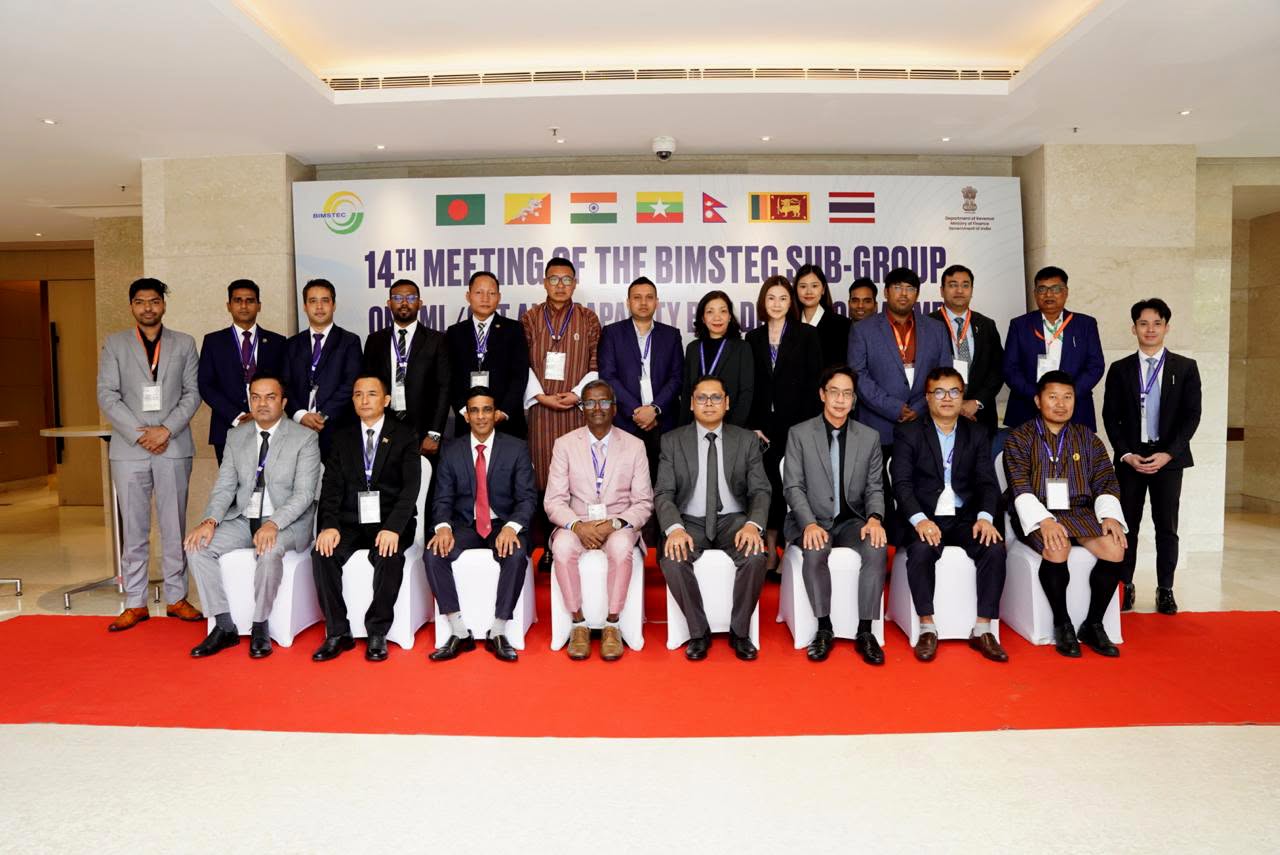
BIMSTEC finalises regional action plan against illicit financial flows
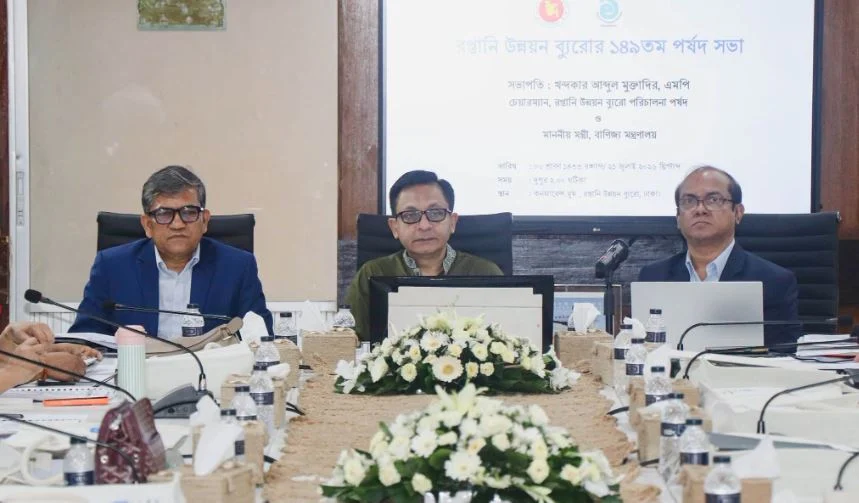
Bangladesh to participate in 50 int’l trade fairs to boost investment, exports
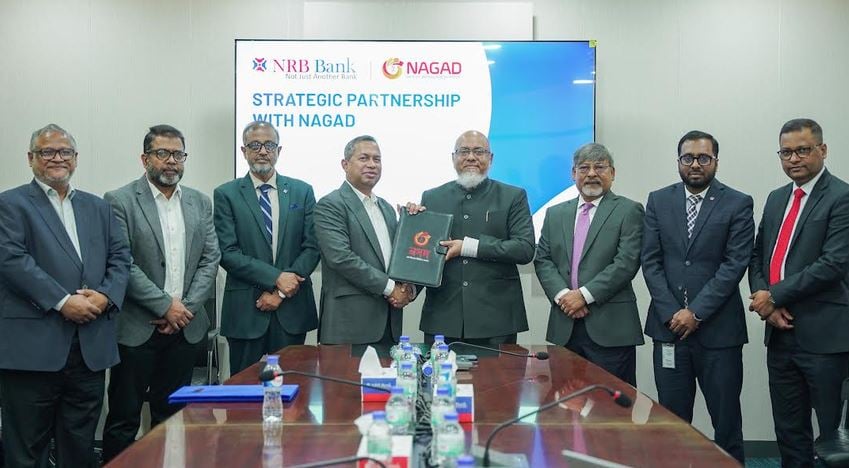
Nagad, NRB Bank sign strategic partnership agreement
Remittance inflow rises 23.1pc in 1st 20 days of July
BB issues new ICMS guidelines for banks, replacing 2016 framework