Wednesday
22 July, 2026
News Flash
News Flash
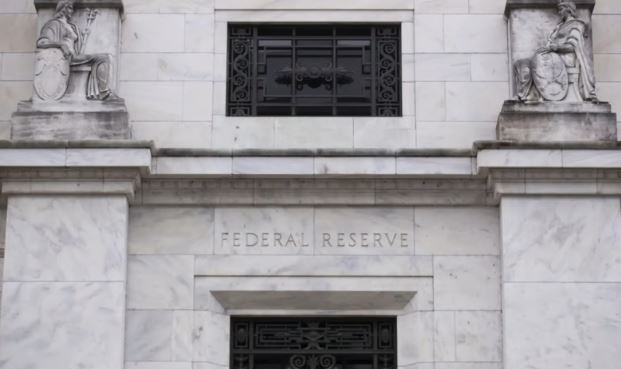
WASHINGTON, United States, April 9, 2026 (BSS/AFP) - Many US central bank policymakers cited the possible need for interest rate hikes to counter the risk of sustained inflation from high oil prices, minutes of their recent meeting showed Wednesday.
The US Federal Reserve has been battling to bring inflation down to its long-term two percent target since the pandemic.
In March, the Fed chose to extend a pause on interest rate cuts -- after three reductions in late 2025 -- and raised its inflation forecast.
At the meeting, officials flagged one expected cut by the end of the year, and cited an "uncertain" economic outlook due to the war in the Middle East.
The US-Israeli war on Iran, launched on February 28, has engulfed the region in violence, with Tehran sending oil prices skyrocketing by virtually closing the vital Strait of Hormuz.
Despite a ceasefire announced late Tuesday, uncertainty remained a day later, with reports that the strait may remain closed.
The US Fed has a dual mandate of keeping inflation to its long-term target while ensuring maximum employment.
Minutes of its last meeting, which took place March 17-18, showed there was concern about the lack of progress in bringing inflation down.
"Some participants noted that the rate of increase in core goods prices remained well above the pace likely to be consistent with the sustainable achievement of the Committee's inflation objective, at least in part reflecting the effects of tariffs," the minutes said.
President Donald Trump has roiled the US economy and global trade by imposing a raft of sometimes eyewatering tariffs against almost all trade partners.
Many were struck down by the Supreme Court, only to be replaced by the administration at lower levels using other powers.
Moreover, Fed policymakers signaled concern that persistently high oil prices due to the conflict in the Middle East could bleed through into core inflation -- a measure that generally excludes the volatility in food and energy costs.
"Some participants highlighted the possibility that, after several years of above-target inflation, longer-term inflation expectations could become more sensitive to energy price increases," the minutes said.
The Fed's primary tool for addressing inflation and unemployment is setting interest rates -- lowering it tends to spur economic activity and can increase prices, while raising it generally cools those measures.
"A couple" of participants at the meeting had "pushed their assessment of the most likely timing of rate cuts further into the future in light of recent readings on inflation."
"Many participants pointed to the risk of inflation remaining elevated for longer than expected amid a persistent increase in oil prices, which could call for rate increases to help bring inflation down to the Committee's two percent objective," the minutes said.